Great Blue Heron

Discover a thriving wetland ecosystem just minutes from urban Portland.
Discover a thriving wetland ecosystem just minutes from urban Portland.
Smith and Bybee Wetlands Natural Area offers a surprising escape into nature, renowned as one of America's largest urban freshwater wetlands, spanning nearly 2,000 acres. Despite its location amidst industrial development, this vibrant natural space provides critical habitat for an impressive array of wildlife and serves as a vital ecological resource near the confluence of the Willamette and Columbia Rivers. It’s a remarkable example of successful urban conservation, demonstrating how natural beauty can coexist with an urban landscape.
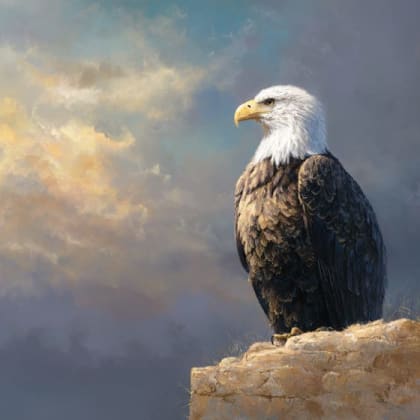
Visitors can explore diverse habitats, from cottonwood forests and emergent wetlands to open water and grasslands, each supporting a unique community of plants and animals. Keep an eye out for the renowned Western painted turtles, a sensitive-critical species in Oregon, often seen basking on logs, particularly in spring. Birdwatchers will be delighted by over 100 species, including majestic bald eagles, osprey, great egrets, and a variety of waterfowl and migratory songbirds that frequent the area throughout the year. Lucky visitors might also spot beavers, river otters, black-tailed deer, muskrats, and mink.
Whether you prefer a peaceful stroll along the paved Interlakes Trail or an immersive paddle through its serene waters, Smith and Bybee Wetlands offers a tranquil and educational experience. It’s a perfect destination for those seeking wildlife encounters, a connection with nature, or simply a quiet respite from city life. The constant flux of wildlife with changing seasons and water levels ensures that every visit offers a new discovery, making it a memorable natural escape. Turn your visit into a safari! Use the Snappit app to scan and log wildlife sightings here.
The Smith and Bybee Wetlands Natural Area encompasses the remnants of two large, shallow lakes and a complex of sloughs and marshes. Historically, this area functioned as a seasonal marsh within the Columbia River floodplain. However, extensive alteration and degradation occurred over 130 years due to dam and dike construction, dredge spoil deposition, and the introduction of exotic plants and animals. A significant step in its restoration was the installation of a water-control structure at Bybee Lake in 2003 by Ducks Unlimited. This system helps restore natural hydrological cycles, allowing Metro (the regional government managing the park) to retain winter floodwaters through spring, benefiting waterfowl and young salmon, and inhibiting invasive reed canary grass. The area continues to be managed to sustain its rich habitats and diverse wildlife, representing a triumph of conservation in an urban setting.
Walk or roll the Interlakes Trail, go birdwatching with binoculars, paddle a canoe or kayak, and look for diverse wildlife such as Western painted turtles, bald eagles, beavers, and river otters.
Spring: Basking turtles, migrating birds, Pacific chorus frogs calling for mates, and lush scenery for paddling.
Summer: Garter snakes sunbathing, quieter bird activity as they raise young, occasional low water levels in the lakes, which can make paddling difficult by late summer.
Fall: Migrating birds (ducks, shorebirds), Great Egrets as water levels drop, woolly bear caterpillars.
Winter: Thousands of waterfowl, soaring raptors (bald eagles, red-tailed hawks), and potential tracks of deer or coyotes in snow.
The Interlakes Trail is paved, generally flat, and wide, with benches along the way. The main parking lot includes wheelchair-accessible spaces, vault toilets, and a picnic shelter. However, some parts of the paved trail may have ruts, cracks, or inclines due to tree roots or weather, and the metal grating on some viewing platforms lacks edge protection, which might be challenging for some mobility devices.
A paved, flat, approximately one-mile trail with three lookout points for wildlife observation.
Two covered shelters along the Interlakes Trail offer excellent vantage points for birds and turtles.
Non-motorized boating on Smith and Bybee Lakes (accessible mid-April to late June for optimal water levels) provides an immersive experience.
A specific wooden railing along the Interlakes Trail known for reliable views of basking Western painted turtles.
Each card links to a full Explore page with photos, traits, and fun facts.
Start with the big picture, then zoom in to explore individual wildlife observations around this place.
Bring binoculars
** Essential for birdwatching and spotting distant wildlife, especially from the viewing platforms.
Check water levels before paddling
Conditions for kayaking or canoeing vary significantly by season; high water is best from late fall through spring.
Wear appropriate footwear
While the Interlakes Trail is paved, it can be uneven in spots, and side trails or the canoe launch area might be muddy.
Visit in spring for turtles
Spring offers the best chance to see Western painted turtles basking on logs, particularly near the "Turtle Turnout."
Be aware of noise
Despite being a natural area, you may hear traffic and train noise due to its urban setting.
No dogs or bikes on Interlakes Trail
To protect wildlife, dogs and bicycles are prohibited on the Interlakes Trail, though bike racks are available.
Jun 6, 2026
Jun 4, 2026
May 27, 2026
May 27, 2026
May 26, 2026

Maryland, US
You might spot White-Tailed Deer and Eastern Gray Squirrel.
View guide →
.jpg)
District of Columbia, US
You might spot Eastern Gray Squirrel, Duck, and House Sparrow.
View guide →

Illinois, US
You might spot American Robin, Canada Goose, and House Sparrow.
View guide →

Virginia, US
You might spot Spotted Lanternfly and Northern Cardinal.
View guide →
Take the discovery with you
Identify the wildlife you spot, learn as you go, and keep a collection of the adventure.