_002.jpg&width=800)





indigo-bush
Psorodendron schottii
The indigo-bush is a lovely shrub that has beautiful purple flowers. It grows in warm, sunny places and is great for attracting butterflies and bees!
Habitat: Desert
The indigo-bush is a medium-sized shrub with many slender, stiff branches covered in silvery-green, hairy leaves. It sports dense spikes of small, vibrant purple or indigo pea-like flowers that stand out against its silvery foliage.
Category
PlantsRarity
Common
Danger
1/5 · Very low
Snaps
Be the first to snap!
Its leaves have tiny hairs that help reflect sunlight, keeping the plant cool!
Look closely, and its flowers resemble tiny purple peas growing in a spike!
Native American tribes sometimes used parts of this bush for traditional remedies!
This amazing plant can live for many decades, even in very dry, harsh places!
Indigo-bush has deep roots that can reach water far underground, helping it survive long, hot desert droughts.
Indigo-bush can take nitrogen from the air and put it into the soil, making the ground richer for other plants.
Indigo-bush has bright purple flowers that are a magnet for buzzing bees and beautiful butterflies, helping them and other plants thrive.
Apis mellifera
visits flowers for nectar and pollen
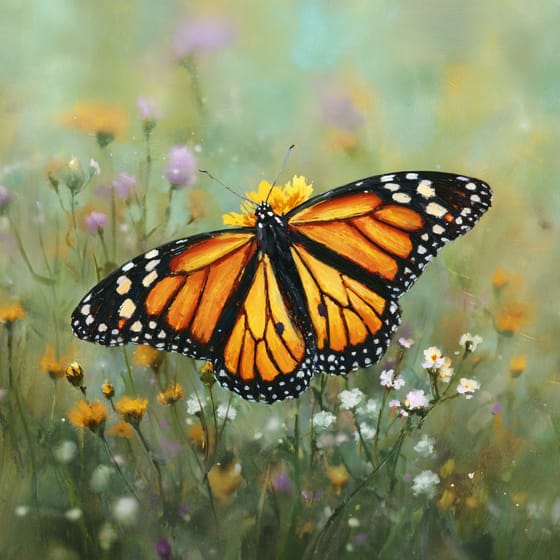
Danaus plexippus
drinks nectar from its vibrant blooms
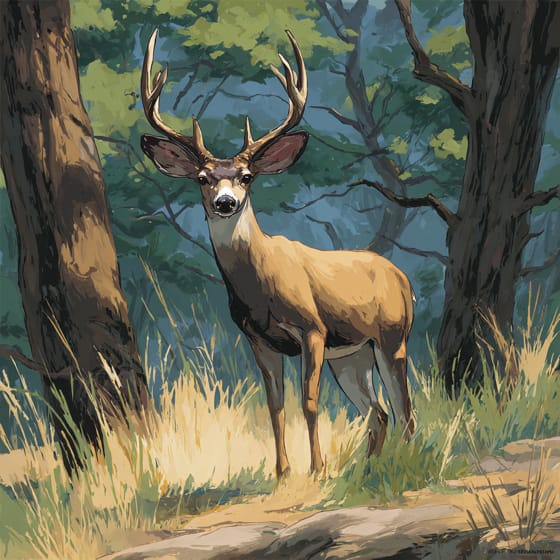
Odocoileus hemionus
browses on its leaves and stems

Ovis canadensis
may browse its foliage for food
Aromatic plants produce and emit fragrant volatile organic compounds, often for defense or to attract pollinators.
Flowering plants are any plants that produce flowers as part of their reproductive cycle.
A shrub is a woody plant smaller than a tree, typically with multiple stems branching from or near the ground.
Summer blooming plants produce their flowers during the summer season, often providing vibrant color when many other plants have finished.

Fragrant flowers emit a pleasant aroma, often to attract pollinators or for defense.

Drought-tolerant plants can survive and flourish in conditions with limited water availability.

Describes plants that are particularly attractive and beneficial to a wide range of pollinating organisms.

Desert habitats are arid regions characterized by extremely low precipitation and often extreme temperatures, supporting specialized flora and fauna.
No aliases listed yet.
Danger
1/5 · Very low
Always look at plants from a distance and don't touch them without asking an adult.
The easiest way to identify indigo-bush is to use the Snappit nature identifier app.
100-300 cm
100-200 cm
0.5-1.5 cm
Spring to early summer
No
None
Perennial
Zoom in to split clusters and explore where this object has been snapped.
Recent snaps will appear here as new observations are added.
Take the discovery with you
Snap it with Snappit to identify it, learn what makes it special, and add the discovery to your collection.









.jpg&width=800)


_001.jpg&width=800)




