





Williams' Tiger Moth
Apantesis williamsii
The Williams' Tiger Moth is a beautiful insect with striking orange and black markings. It flutters around at night and is often seen near lights, making it a delightful sight for those who spot it.
Habitat: Grasslands
The Williams' Tiger Moth has striking black forewings marked with bold white or creamy streaks. Its hindwings are a vibrant orange with distinct black spots or bands, making it easily distinguishable. The body is fuzzy and often dark with some orange markings.
Category
InsectsRarity
Common
Danger
1/5 · Very low
Snaps
Be the first to snap!
Adult Williams' Tiger Moths only live about two weeks, focusing on finding a mate!
Its fuzzy caterpillar is sometimes called a 'woolly bear,' even though it's not a bear!
These moths are drawn to bright lights at night, which helps scientists spot them!
They don't eat as adults; they survive on energy stored from their caterpillar days!
Williams' Tiger Moth has vivid orange and black patterns that warn predators of its unpleasant taste, helping them avoid being eaten.
Williams' Tiger Moth can release foul-tasting chemicals when threatened, because these deter predators who try to eat them.
Williams' Tiger Moth caterpillars have bristly hairs that make them look unappetizing to predators, helping them stay safe while they munch.
Williams' Tiger Moth can fly efficiently in the dark of night, because this helps them find mates and food sources under cover.
Caterpillars munch on plants, while adult moths usually don't eat at all!
Age differences: Larvae (caterpillars) are voracious plant-eaters, but adult moths typically do not feed.
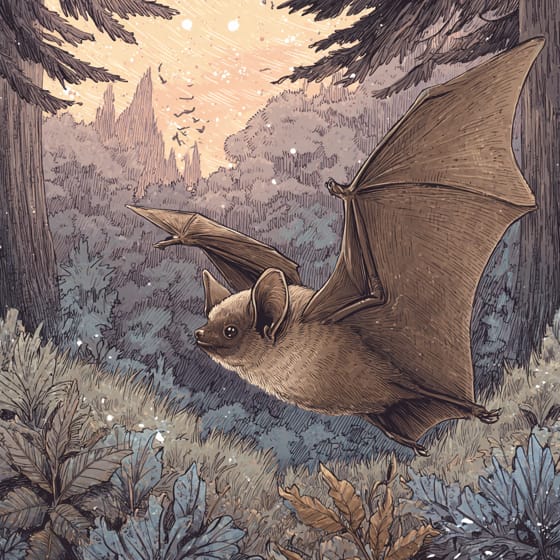
Myotis lucifugus
Little Brown Bats are nocturnal predators that hunt adult moths using echolocation.
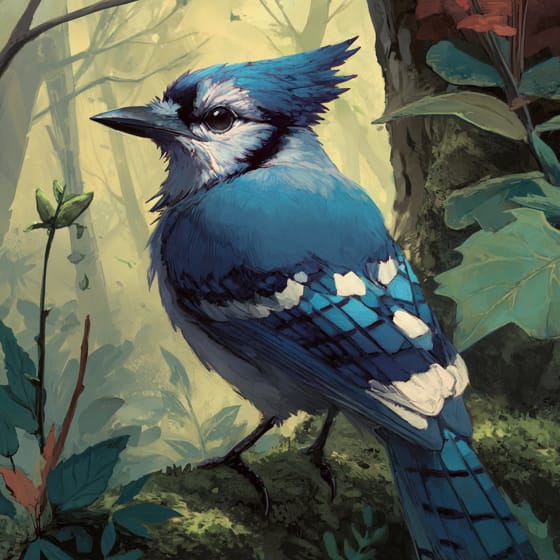
Cyanocitta cristata
Blue Jays are opportunistic feeders and might prey on caterpillars or moths.
_Clock_-_Tennessee%2C_USA_-_May_31%2C_2014.jpg&width=800)
Taraxacum officinale
The caterpillars feed on the leaves of dandelions.
Plantago major
Its caterpillars also find food in the leaves of common plantain.
Furry describes animals possessing a dense covering of soft hair or fur.
Solitary animals live alone for most of their lives, only interacting with others for mating or parental care.
Colorful describes organisms or objects displaying a wide range of bright and distinct colors.
Grassland habitats are terrestrial biomes dominated by grasses and herbaceous plants, supporting a variety of grazing animals.

This trait characterizes organisms whose diet consists entirely or primarily of plant material.

Nocturnal animals are primarily active during the nighttime hours, typically resting or sleeping during the day.

Describes organisms that transfer pollen, enabling the fertilization and reproduction of plants.
No aliases listed yet.
Danger
1/5 · Very low
Moths are usually safe to watch, but don't touch them as they can be delicate.
The easiest way to identify Williams' Tiger Moth is to use the Snappit nature identifier app.
30-45 mm
15-25 mm
7-14 days
10 km/h
Caterpillars munch on plants, while adult moths usually don't eat at all!
Grasslands
Foraging
Zoom in to split clusters and explore where this object has been snapped.
Recent snaps will appear here as new observations are added.
Take the discovery with you
Snap it with Snappit to identify it, learn what makes it special, and add the discovery to your collection.






.jpg&width=800)



