_Epilobium_ciliatum_-_flowers.jpg&width=800)





willowherbs
Epilobium
Willowherbs are colorful flowers that grow in sunny places. They have tall, slender stems and pretty pink or purple blooms that attract butterflies and bees.
Habitat: Grasslands
The willowherbs usually has slender stems topped with spikes of showy pink, purple, or white flowers. Its narrow leaves often have fine teeth, growing opposite or spiraling up the stem, making it stand out in meadows and open woodlands.
Category
PlantsRarity
Common
Danger
1/5 · Very low
Snaps
Be the first to snap!
Ancient cultures used willowherb leaves to make soothing teas for upset stomachs!
Its young shoots and leaves are edible and can be a tasty addition to your salads!
Many willowherb species are excellent sources of nectar, attracting lots of busy bees!
Some types of willowherbs are called 'fireweed' because they thrive after forest fires!
Willowherbs has fluffy, parachute-like seeds that catch the wind, helping them travel far and colonize new open areas quickly.
Willowherbs can spread quickly using creeping underground stems called rhizomes, allowing it to form dense patches.
Willowherbs can be a pioneer plant, quickly growing in areas after fire or logging, helping to stabilize soil.
Apis mellifera
Collects nectar and pollen from flowers.
Bombus impatiens
Visits flowers for nectar and helps spread pollen.
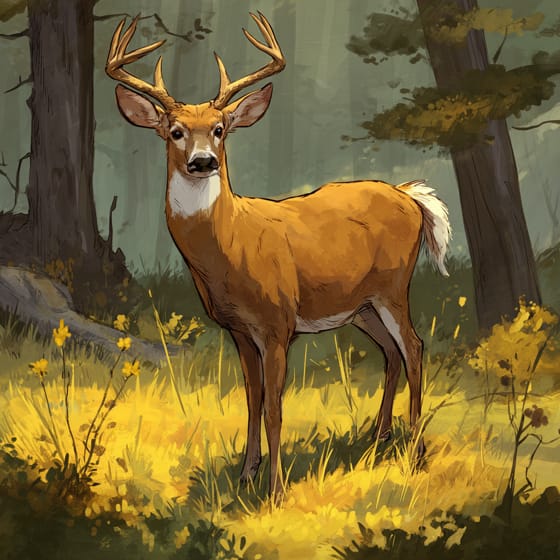
Odocoileus virginianus
Browses on the young leaves and shoots.
Flowering plants are any plants that produce flowers as part of their reproductive cycle.
Biennial plants complete their life cycle over two growing seasons, typically forming foliage in the first year and flowering/seeding in the second.
Summer blooming plants produce their flowers during the summer season, often providing vibrant color when many other plants have finished.
Fragrant flowers emit a pleasant aroma, often to attract pollinators or for defense.

Colorful describes organisms or objects displaying a wide range of bright and distinct colors.

Grassland habitats are terrestrial biomes dominated by grasses and herbaceous plants, supporting a variety of grazing animals.

Describes plants that are particularly attractive and beneficial to a wide range of pollinating organisms.

Rapid growing plants exhibit accelerated growth rates, quickly increasing in size and biomass within a short period.
No aliases listed yet.
Danger
1/5 · Very low
Always look but don't pick flowers, so everyone can enjoy them!
The easiest way to identify willowherbs is to use the Snappit nature identifier app.
15-200 cm
20-60 cm
1-5 cm
Summer to fall
Yes
None
Perennial
Zoom in to split clusters and explore where this object has been snapped.
Recent snaps will appear here as new observations are added.

British Columbia, CA
You might spot Western Rattlesnake Plantain and Shinyleaf Meadowsweet.
View guide →

Quebec, CA
You might spot Double-Crested Cormorant, Rock Pigeon, and Wild Bergamot.
View guide →
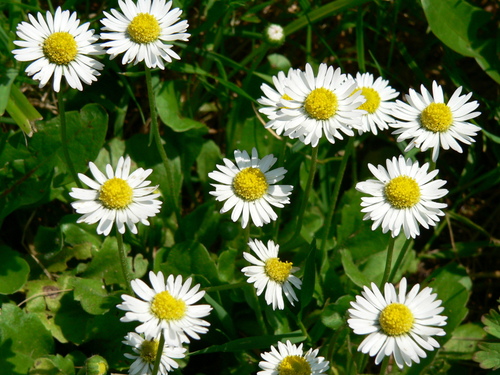
California, US
You might spot Daisy, Bird's-Eye Speedwell, and Southern Masked Chafer.
View guide →
Take the discovery with you
Snap it with Snappit to identify it, learn what makes it special, and add the discovery to your collection.








.jpg&width=800)


_001.jpg&width=800)




