





woodvamp
Hydrangea barbara
The woodvamp is a beautiful shrub with big, colorful flowers! It loves to grow in gardens and brings joy with its lovely blooms during the summer.
Habitat: Urban areas
The woodvamp is a deciduous shrub with large, oval, toothed green leaves. It produces striking, dome-shaped clusters of small white or cream flowers that create a fluffy, cloud-like appearance against its dark stems.
Category
PlantsRarity
Common
Danger
1/5 · Very low
Snaps
1
Each fluffy flower cluster is actually made of hundreds of tiny blossoms!
Its broad leaves act like super-efficient solar panels for sunlight!
Its dried flowers can stay beautiful for ages, perfect for decorations!
Some varieties of woodvamp can grow taller than a grown-up!
Woodvamp has broad leaves that efficiently capture sunlight even in shady forest understories, helping it grow where other plants struggle.
Woodvamp develops strong root systems that help prevent soil erosion on slopes and stream banks, making the ground more stable.
Woodvamp produces numerous nectar-rich flowers in large clusters, attracting a wide variety of bees and butterflies for pollination.
Bombus impatiens
collects nectar and pollen
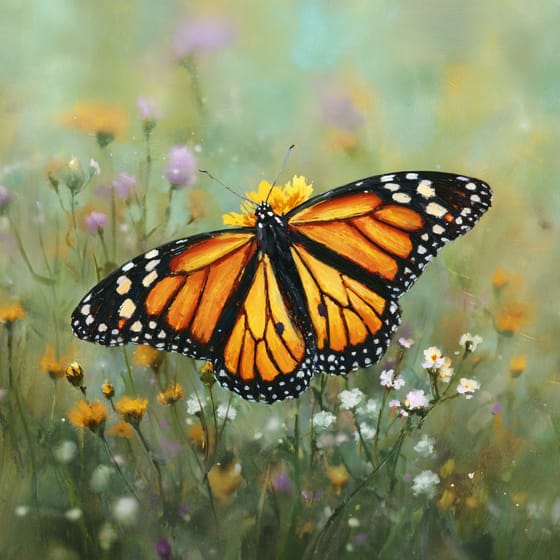
Danaus plexippus
visits flowers for sweet nectar

Odocoileus virginianus
browses on leaves and stems
Apis mellifera
essential for flower fertilization
Deciduous plants periodically shed all their leaves, typically during autumn or dry seasons.
Ornamental plants are cultivated primarily for their aesthetic appeal, enhancing landscapes and gardens with their attractive foliage, flowers, or form.
A shrub is a woody plant smaller than a tree, typically with multiple stems branching from or near the ground.
Summer blooming plants produce their flowers during the summer season, often providing vibrant color when many other plants have finished.

Fragrant flowers emit a pleasant aroma, often to attract pollinators or for defense.

Colorful describes organisms or objects displaying a wide range of bright and distinct colors.

Describes plants that are particularly attractive and beneficial to a wide range of pollinating organisms.

This habitat trait indicates species that can coexist with humans in urban and suburban environments, utilizing man-made structures and green spaces.
No aliases listed yet.
Danger
1/5 · Very low
Always ask an adult before touching plants, just to be safe!
The easiest way to identify woodvamp is to use the Snappit nature identifier app.
100-200 cm
100-180 cm
1-2 cm
Summer
No
Mild
Perennial
Zoom in to split clusters and explore where this object has been snapped.
Take the discovery with you
Snap it with Snappit to identify it, learn what makes it special, and add the discovery to your collection.









.jpg&width=800)


_001.jpg&width=800)




