





Yellow Alder
turnera ulmifolia
The Yellow Alder is a bright and cheerful flower that loves to soak up the sun! Its beautiful yellow blooms attract butterflies and bees, making it a fun plant to spot in gardens.
Habitat: Yellow Alders thrive in warm, tropical areas, often found in gardens and along roadsides.
The Yellow Alder is a compact shrub featuring vibrant yellow, five-petaled flowers, often with a dark central eye. Its serrated, oval leaves are bright green and slightly fuzzy, providing a lovely contrast to the cheerful blooms.
Category
PlantsRarity
Common
Danger
0/5 · No known danger
Snaps
2
Each bright yellow flower opens in the morning and closes by late afternoon!
Its scientific name, Turnera ulmifolia, means "elm-leaved" because of its similar leaves!
Look closely! Tiny glands on its stems can feed ants, attracting their protection.
Some believe its leaves brewed into tea can help soothe upset tummies.
Yellow Alder has a strong root system that helps it withstand dry conditions and flourish in sunny, less watered areas.
Yellow Alder creates sweet nectar and vibrant petals to constantly lure in insects like bees and butterflies.
Apis mellifera
Gathers nectar and pollen from its bright flowers.
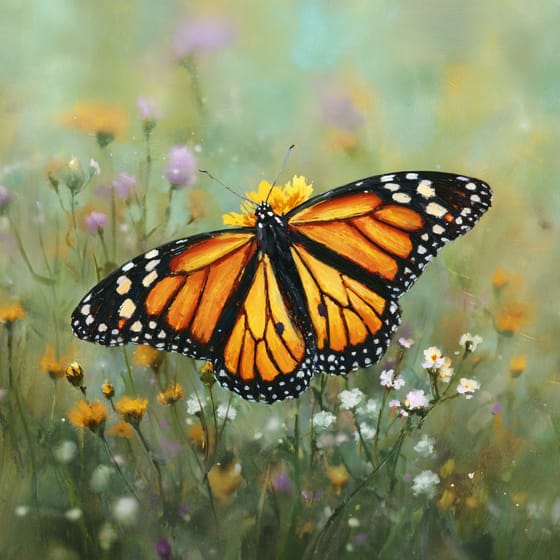
Danaus plexippus
Visits its cheerful blooms for a sweet nectar treat.
Formica fusca
Attracted to extrafloral nectaries, protecting the plant.
Colorful describes organisms or objects displaying a wide range of bright and distinct colors.
This trait characterizes organisms whose diet consists entirely or primarily of plant material.
Forest habitats are terrestrial environments dominated by dense tree cover, supporting a high diversity of plant and animal life.
Diurnal animals are primarily active during daylight hours, typically resting or sleeping at night.

Describes organisms that transfer pollen, enabling the fertilization and reproduction of plants.
Danger
0/5 · No known danger
No special safety notes yet.
The easiest way to identify Yellow Alder is to use the Snappit nature identifier app.
50-150 cm
40-100 cm
3-5 cm
Year-round in warm climates
No
None
Perennial
Zoom in to split clusters and explore where this object has been snapped.
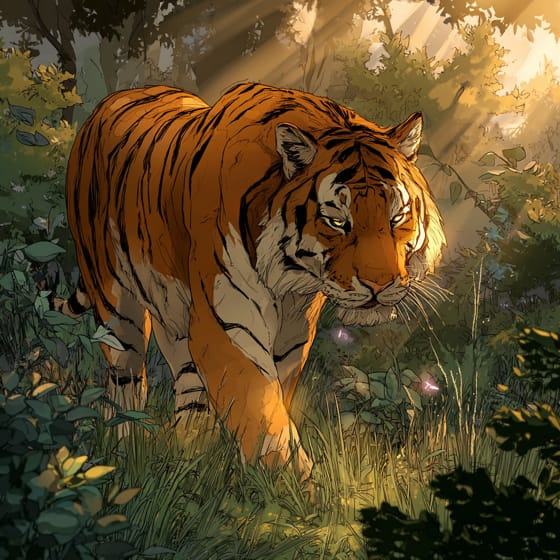
Hawaii, US
You might spot Tiger, Giant Anteaters, and Spider Monkey.
View guide →

Florida, US
You might spot Macaques, Squirrel Monkeys, and Blackcap.
View guide →
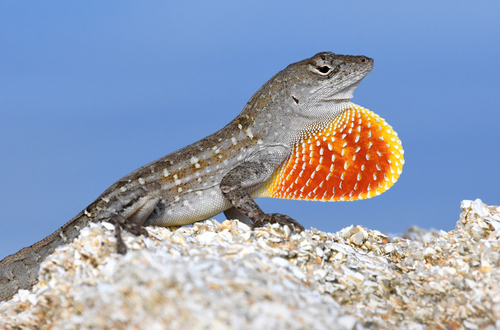
Florida, US
You might spot Brown Anole, Shiny-Leaved Wild Coffee, and Firebush.
View guide →
Take the discovery with you
Snap it with Snappit to identify it, learn what makes it special, and add the discovery to your collection.








.jpg&width=800)



_001.jpg&width=800)




