





Yellow-berried Mistletoe
Loranthus europaeus
The Yellow-berried Mistletoe is a special plant that grows on trees and has bright yellow berries. It is a favorite of birds who love to eat its berries and spread its seeds!
Habitat: Forests
The Yellow-berried Mistletoe is a semi-parasitic plant forming dense, rounded clumps. It has oval, slightly leathery green leaves and produces distinctive bright yellow, translucent berries. These berries grow in clusters and are easily spotted on its host trees.
Category
PlantsRarity
Common
Danger
2/5 · Low
Snaps
Be the first to snap!
It's called "European yellow-berried mistletoe" to tell it apart from the white-berried kind!
Its yellow berries are super sticky, helping them cling to branches when birds drop them!
This mistletoe prefers to grow on oak trees, almost like a cozy oak-tree blanket!
Unlike others, it drops its leaves in winter, mimicking its oak host!
Yellow-berried Mistletoe can tap into host trees' sap with specialized roots, letting it steal water and nutrients to survive.
Yellow-berried Mistletoe has very sticky yellow berries that attach to birds' beaks and feet, spreading seeds to new trees.
This mistletoe has green leaves, making some of its own food with sunlight, but still gets extra from its host.
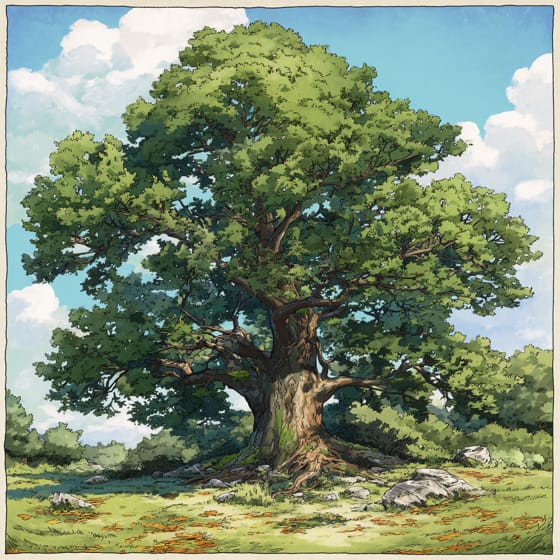
Quercus robur
steals water and nutrients from its branches

Turdus viscivorus
disperses its sticky seeds to new host trees
Apis mellifera
visits its small flowers for nectar and pollen
Fruit-bearing plants produce fruits, which are the mature ovaries of flowering plants containing seeds.
Medicinal plants possess chemical compounds that can be used for therapeutic purposes to treat illnesses or maintain health.
Colorful describes organisms or objects displaying a wide range of bright and distinct colors.
Describes plants that are particularly attractive and beneficial to a wide range of pollinating organisms.

Describes a relationship between two different species where they live in close association, often benefiting one or both.

Forest habitats are terrestrial environments dominated by dense tree cover, supporting a high diversity of plant and animal life.

Describes a species whose presence and role have a disproportionately large effect on its environment.

This trait describes organisms that live on or in a host organism, obtaining nutrients at the host's expense.
No aliases listed yet.
Danger
2/5 · Low
Do not eat the berries without asking an adult, as some mistletoes can be harmful.
The easiest way to identify Yellow-berried Mistletoe is to use the Snappit nature identifier app.
30-100 cm
30-100 cm
0.5-1 cm
Spring
No
Mild
Perennial
Zoom in to split clusters and explore where this object has been snapped.
Recent snaps will appear here as new observations are added.
Take the discovery with you
Snap it with Snappit to identify it, learn what makes it special, and add the discovery to your collection.








.jpg&width=800)



_001.jpg&width=800)




