





Yellow-fringed Dolichomia Moth
Hypsopygia olinalis
The Yellow-fringed Dolichomia Moth is a small, colorful moth with bright yellow fringes on its wings. It flutters around gardens and fields, bringing a splash of color to nature.
Habitat: Grasslands
The Yellow-fringed Dolichomia Moth is a small moth with yellowish-brown or tan forewings that feature a distinctive bright yellow fringe along their outer edges. Its body matches the wing coloration, often with subtle darker markings.
Category
InsectsRarity
Common
Danger
1/5 · Very low
Snaps
15
Before becoming a moth, it lives as a caterpillar hidden amongst dead leaves and fungi!
Its fuzzy body helps it stay warm while flying in the cool night air!
Moths use special ear-like organs on their bodies to detect the sounds of hungry bats!
Some moths, like this one, have a super long 'tongue' called a proboscis to sip nectar!
Yellow-fringed Dolichomia Moth has yellow wing fringes that help them blend seamlessly with wildflowers and dry vegetation.
Yellow-fringed Dolichomia Moth can fly at night, guided by specialized antennae that detect subtle scents for navigation.
Yellow-fringed Dolichomia Moth larvae can digest decaying plant matter because their unique gut bacteria help break down tough materials.
Adult moths sip nectar from flowers, while their caterpillars are busy eating decaying plants and fungi.
Age differences: Larvae consume decaying organic matter and fungi; adults feed exclusively on flower nectar.
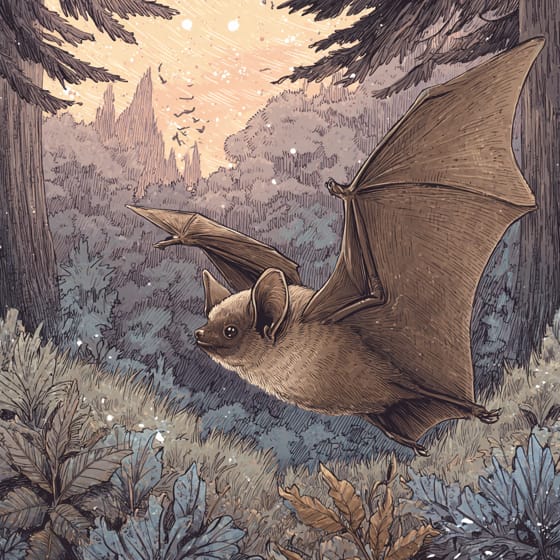
Myotis lucifugus
Prey for nocturnal insectivores.
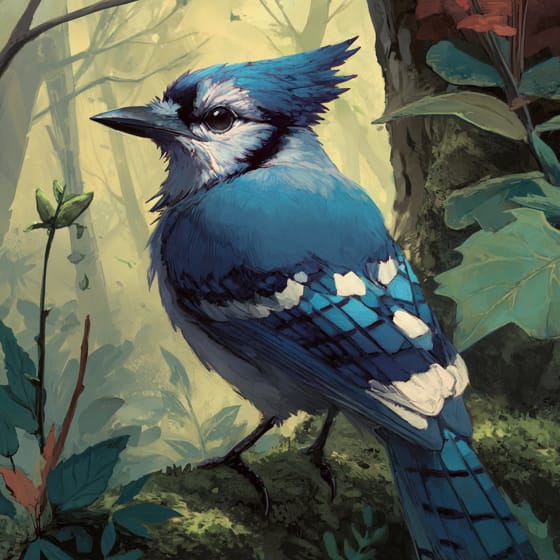
Cyanocitta cristata
A common bird predator during the day.
Solidago canadensis
Visits various wildflowers for nectar.
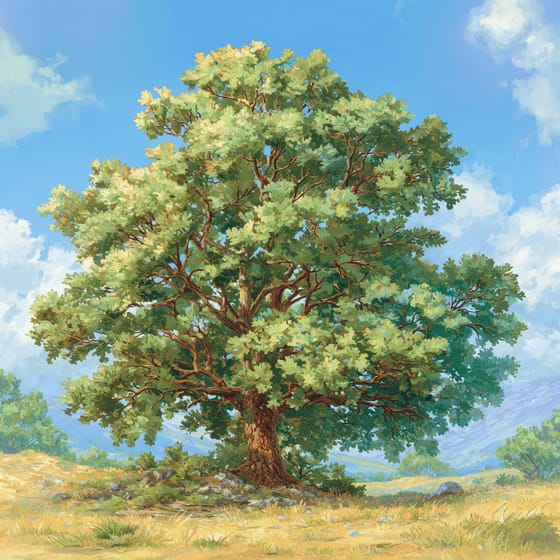
Quercus alba
Larvae break down its fallen leaves.
Colorful describes organisms or objects displaying a wide range of bright and distinct colors.
Grassland habitats are terrestrial biomes dominated by grasses and herbaceous plants, supporting a variety of grazing animals.
This trait characterizes organisms whose diet consists entirely or primarily of plant material.
Describes plants that are particularly attractive and beneficial to a wide range of pollinating organisms.

Diurnal animals are primarily active during daylight hours, typically resting or sleeping at night.

Nocturnal animals are primarily active during the nighttime hours, typically resting or sleeping during the day.

Describes organisms that transfer pollen, enabling the fertilization and reproduction of plants.
No aliases listed yet.
Danger
1/5 · Very low
Moths are safe to watch, but don't try to catch them; they are delicate!
The easiest way to identify Yellow-fringed Dolichomia Moth is to use the Snappit nature identifier app.
17-23 mm
8-15 mm
7-14 days
Adult moths sip nectar from flowers, while their caterpillars are busy eating decaying plants and fungi.
Grasslands
Foraging
6
Zoom in to split clusters and explore where this object has been snapped.

Virginia, US
You might spot Cope's Gray Tree Frog and Basilica Orbweaver.
View guide →

Rhode Island, US
You might spot Common Mugwort, Duck, and Azure Bluet.
View guide →

Maryland, US
You might spot Crane-Fly Orchid, Fragile Forktail, and Ebony Jewelwing.
View guide →

Rhode Island, US
You might spot White-Tailed Deer, Great Egret, and Duck.
View guide →

Rhode Island, US
You might spot White-Tailed Deer and Common Eastern Bumble Bee.
View guide →
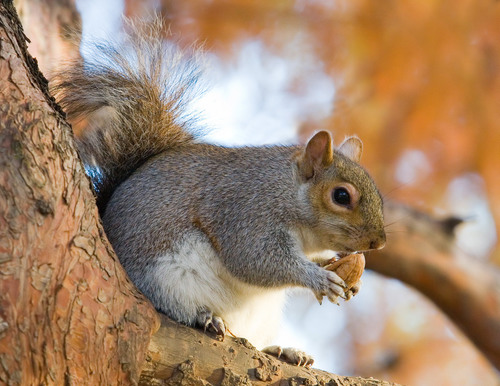
Georgia, US
You might spot Eastern Gray Squirrel, Domestic Cat, and American Robin.
View guide →
Take the discovery with you
Snap it with Snappit to identify it, learn what makes it special, and add the discovery to your collection.






.jpg&width=800)



