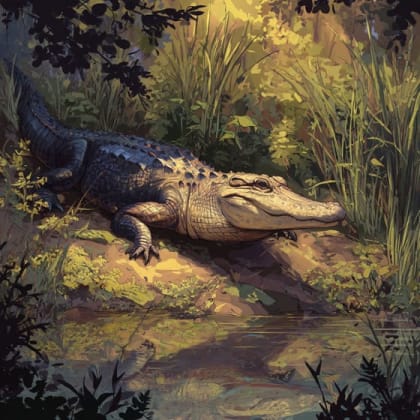





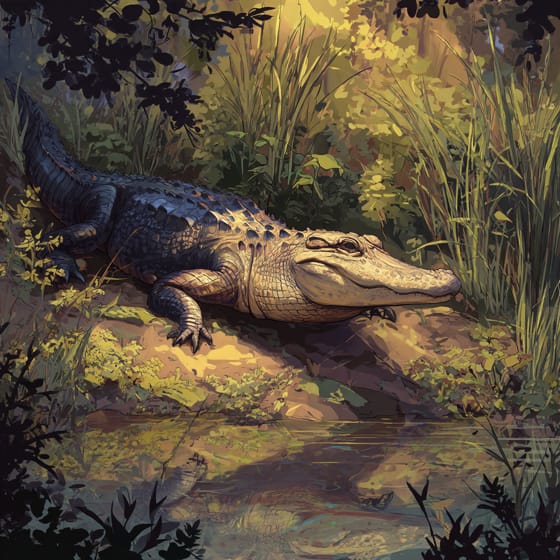
American Alligator
Discover the unique aquatic life of the Flint River at this innovative Georgia attraction.
Discover the unique aquatic life of the Flint River at this innovative Georgia attraction. The Flint RiverQuarium is a magnificent freshwater aquarium located on the riverfront in downtown Albany, Georgia, dedicated almost exclusively to showcasing the journey and diverse ecosystems of the 344-mile Flint River. Opened in 2004, this 54,000-square-foot facility provides a captivating look at the natural history and ecological significance of one of Georgia's most beautiful rivers, from its source near Atlanta to its meeting with the Chattahoochee River.
The heart of the RiverQuarium is the awe-inspiring Blue Hole Spring, a 175,000-gallon, 22-foot-deep open-air exhibit filled by a natural underground spring, teeming with over 120 species of fish, turtles, and alligators. Visitors can journey through the Flint River Gallery, which follows the river's entire 350-mile path to the ocean, featuring both freshwater and saltwater species and even a live fish hatchery. Don't miss Spring Run Creek, home to American Alligators, including the rare albino alligator named Moonshine, and the Cypress Pond Aviary, a 35-foot-high enclosure housing native birds like the Wood Duck and Great Blue Heron.
Beyond its captivating animal exhibits, the Flint RiverQuarium engages visitors with interactive displays in Discovery Caverns, exploring subterranean creatures and the dynamics of water systems. The World of Water exhibit highlights global rivers and shared ecological challenges, fostering a deeper understanding of water's importance. With its unique focus on a single river system and dedication to education and conservation, the RiverQuarium offers a memorable experience that connects visitors of all ages with the vital natural resources of Southwest Georgia. Take the ultimate field guide with you: use the Snappit app to identify birds, plants, and animals on your trip.
The Flint RiverQuarium opened its doors in 2004, born from a vision that emerged in the wake of a devastating tragedy. Following the catastrophic 1994 flood of the Flint River, community leaders in Albany sought a way to revitalize the downtown area and establish an attraction that would both interpret and educate about the river's geological, hydrological, and ecological conditions. The RiverQuarium was conceived as a central anchor for Albany's riverfront development, designed by the renowned architect Antoine Predock, whose vision was deeply inspired by the biology, geology, and hydrology of Southwest Georgia. This innovative design, which reflects the complex underground caves and streams of the region, earned an American Institute of Architects (AIA) award in 2005, solidifying the venue's place as a landmark connecting the city with its vital natural environment.
Engage with interactive exhibits, witness dive shows in the Blue Hole (weekends), attend animal chats and aviary feedings (weekends), and observe fish growing in the live hatchery.
Weekend programs, including dive shows and animal encounters, offer an enhanced experience, with specific schedules posted online.
The Flint RiverQuarium is committed to accessibility, featuring elevators for easy navigation between levels. It is certified as sensory inclusive by KultureCity, providing trained staff, sensory bags equipped with noise-canceling headphones and fidget tools, and a dedicated Eric and Carol Pittman Sensory Room with soothing lights and sounds for guests with sensory sensitivities.
The majestic **Blue Hole Spring** with its diverse aquatic life, the playful alligators in **Spring Run Creek** (especially Moonshine, the albino alligator), the immersive **Flint River Gallery** which traces the river's journey, and the interactive **Discovery Caverns**. Also, be sure to visit the **Cypress Pond Aviary** to observe native birds.
Each card links to a full Explore page with photos, traits, and fun facts.
Start with the big picture, then zoom in to explore individual wildlife observations around this place.
Arrive Early on Weekdays
** To avoid crowds and enjoy a more peaceful exploration of the exhibits, consider visiting on weekday mornings.
Check Program Schedule
Review the RiverQuarium's website or social media for the latest schedule of daily and weekend programs, such as dive shows, aviary feedings, and animal chats, to plan your visit around these engaging experiences.
Wear Comfortable Shoes
You'll be walking through several exhibit areas, so comfortable footwear is advisable.
Don't Miss the Blue Hole
This central exhibit is both spectacular and highly photogenic; have your camera ready.
Utilize Sensory Resources
If you or someone in your group has sensory sensitivities, inquire about sensory bags and the Sensory Room at the ticket desk.
Explore the Riverfront Park
The RiverQuarium is part of a larger riverfront development; consider spending time exploring the adjacent Ray Charles Plaza and playground, especially if visiting with children.
May 15, 2026
Photo attribution
(c) Lexa, some rights reserved (CC BY)
License: CC BY 4.0 ↗
Image may be shown cropped inside the card frame.
May 14, 2026
Photo attribution
(c) Lexa, some rights reserved (CC BY)
License: CC BY 4.0 ↗
Image may be shown cropped inside the card frame.
May 5, 2026
Photo attribution
(c) Lexa, some rights reserved (CC BY)
License: CC BY 4.0 ↗
Image may be shown cropped inside the card frame.
May 5, 2026
Photo attribution
(c) Lexa, some rights reserved (CC BY)
License: CC BY 4.0 ↗
Image may be shown cropped inside the card frame.
May 5, 2026
Photo attribution
(c) Lexa, some rights reserved (CC BY)
License: CC BY 4.0 ↗
Image may be shown cropped inside the card frame.

Michigan, US
You might spot African Lion, Komodo Dragon, and Brown Bear.
View guide →
.jpg)
Municipal District of Cobh, IE
You might spot Ring-Tailed Lemur, Giraffes, and Cheetahs.
View guide →

Nouvelle-Aquitaine, FR
You might spot Greater Flamingo, Giraffes, and Red Panda.
View guide →

Texas, US
You might spot Giraffes, African Lion, and Eastern Black Rhinoceros.
View guide →
Take the discovery with you
Identify the wildlife you spot, learn as you go, and keep a collection of the adventure.