





Yellowhammer
Emberiza citrinella
The Yellowhammer is a bright yellow bird with a cheerful song! It loves to sing from trees and bushes, making it a joyful sight in fields and gardens.
Habitat: Grasslands
The Yellowhammer is a medium-sized songbird with a striking lemon-yellow head and underparts on males, contrasting with a streaky brown back and reddish-brown rump. Females are similar but duller, with less vibrant yellow, making the male stand out.
Category
BirdsRarity
Common
Danger
1/5 · Very low
Snaps
Be the first to snap!
Their unique song sounds like "A little bit of bread and no cheese!" How neat!
They often gather in large flocks during winter for warmth and safety!
Yellowhammer nests are so well hidden on the ground, they're tricky to spot!
Young Yellowhammers eat mostly insects to help them grow super fast!
Yellowhammer has a strong, conical beak that helps them crack open tough seeds for food.
Yellowhammer can build well-camouflaged nests on the ground, helping them hide eggs from predators.
Yellowhammer can survive harsh winters by flocking for warmth and finding scattered seeds.
Yellowhammers mostly munch on seeds, especially in winter, but they also gobble up insects in warmer months!
Age differences: Chicks eat mostly protein-rich insects to grow quickly, shifting to more seeds as adults.
Accipiter nisus
hunts adult Yellowhammers
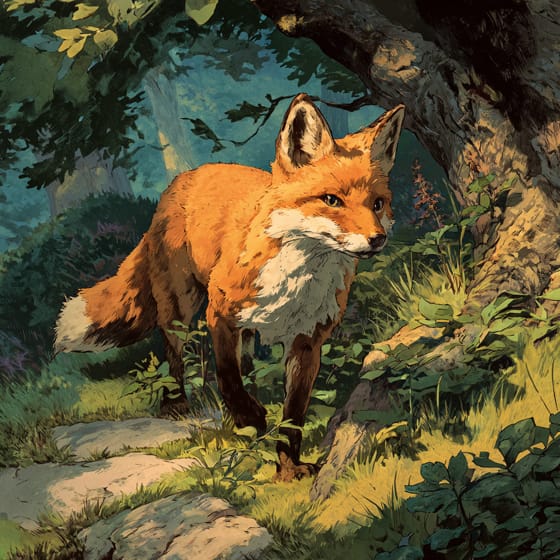
Vulpes vulpes
predates nests and ground-dwelling Yellowhammers
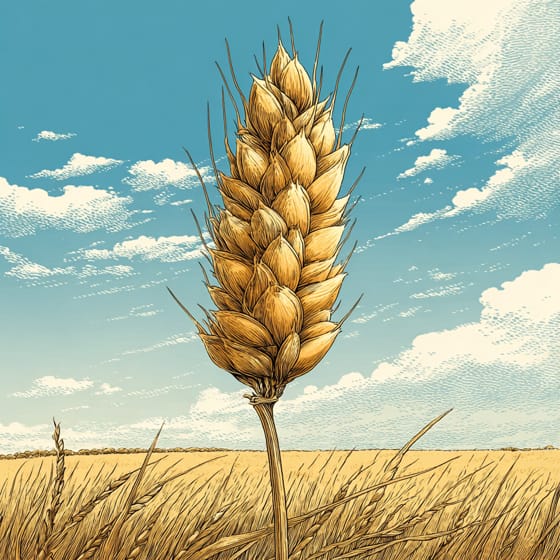
Triticum aestivum
consumes fallen seeds from cereal crops
Pieris rapae
preys on caterpillars for protein-rich food
Feathered describes animals, primarily birds, possessing a covering of feathers.
Social animals live in organized groups, cooperating for survival benefits such as foraging, defense, and raising offspring.
Singing animals produce complex vocalizations, often for purposes of attracting mates, defending territory, or communicating within their species.
Colorful describes organisms or objects displaying a wide range of bright and distinct colors.

Grassland habitats are terrestrial biomes dominated by grasses and herbaceous plants, supporting a variety of grazing animals.

This trait identifies organisms whose diet primarily consists of insects and other small invertebrates.

Diurnal animals are primarily active during daylight hours, typically resting or sleeping at night.
No aliases listed yet.
Danger
1/5 · Very low
Always watch birds from a distance and don't disturb their nests.
The easiest way to identify Yellowhammer is to use the Snappit nature identifier app.
15.5-17 cm
23-29 cm
0.02-0.036 kg
2-10 years
50 km/h
Yellowhammers mostly munch on seeds, especially in winter, but they also gobble up insects in warmer months!
Grasslands
Zoom in to split clusters and explore where this object has been snapped.
Recent snaps will appear here as new observations are added.
Take the discovery with you
Snap it with Snappit to identify it, learn what makes it special, and add the discovery to your collection.




.jpg&width=800)








