.jpg&width=800)





Yorkshire fog
Holcus lanatus
Yorkshire fog is a soft, grassy plant that grows in fields and meadows. It has fluffy flower heads that look like little clouds, making it fun to spot in nature!
Habitat: Grasslands
The Yorkshire fog has soft, velvety grey-green leaves and stems, covered in fine hairs. Its flower heads emerge as fluffy, often purplish-tinged clusters that look like tiny, misty clouds, standing out amongst greener grasses.
Category
PlantsRarity
Common
Danger
1/5 · Very low
Snaps
7
If you look closely, you might see its fluffy flower heads glowing with a beautiful purplish tint in the sunshine!
Its common name comes from its soft, hazy appearance, like mist over the moors on a foggy day!
The entire plant feels incredibly soft and fuzzy, almost like touching a pet, thanks to its hairy surface!
This grass is super tough and can grow in really poor soil, even where other plants struggle to survive!
Yorkshire fog has tiny hairs covering its leaves and stems, which helps protect it from hungry animals and reduces water loss in dry places.
Yorkshire fog can grow new plants from special underground stems called rhizomes, helping it spread quickly and survive tough conditions.
Yorkshire fog produces thousands of tiny, lightweight seeds that are easily carried by the wind, helping it colonize new areas far away.

Bos taurus
a common forage plant in pastures
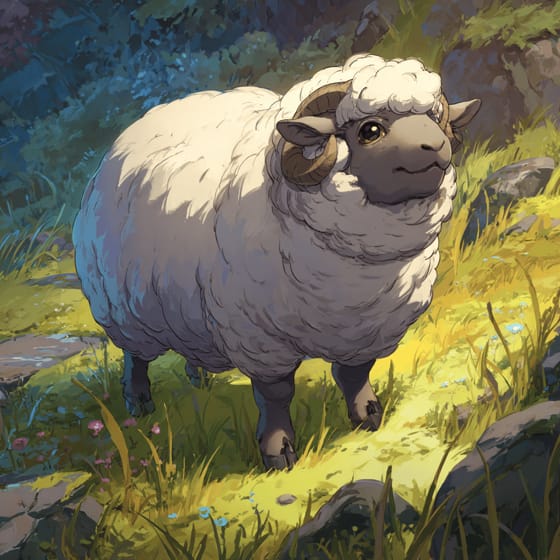
Ovis aries
grazed by livestock, especially sheep
Apodemus sylvaticus
dense clumps provide cover from predators
Flowering plants are any plants that produce flowers as part of their reproductive cycle.
Grass-like plants are herbaceous plants that visually resemble true grasses, typically having long, narrow leaves.
Edible plants are those parts of a plant that are considered safe for human consumption.
Grassland habitats are terrestrial biomes dominated by grasses and herbaceous plants, supporting a variety of grazing animals.

Describes plants that are particularly attractive and beneficial to a wide range of pollinating organisms.

Rapid growing plants exhibit accelerated growth rates, quickly increasing in size and biomass within a short period.
No aliases listed yet.
Danger
1/5 · Very low
Always stay on paths when exploring fields and don't eat plants unless an adult says it's safe.
The easiest way to identify Yorkshire fog is to use the Snappit nature identifier app.
30-100 cm
0.2-0.5 cm
Summer
No
None
Perennial
Wind
Zoom in to split clusters and explore where this object has been snapped.
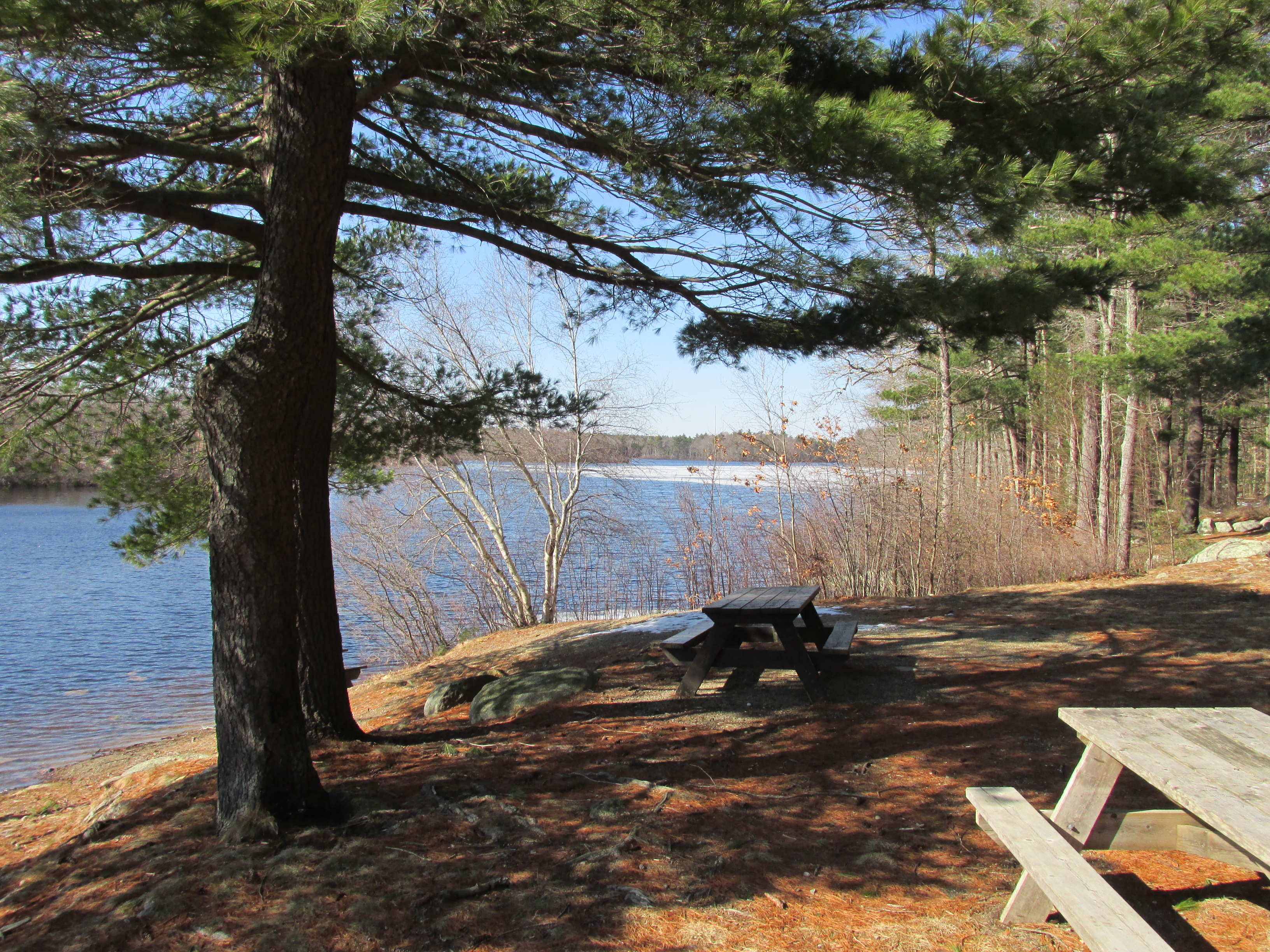
Massachusetts, US
You might spot Eastern White Pine and Common Eastern Bumble Bee.
View guide →

New York, US
You might spot Common Eastern Bumble Bee and American Robin.
View guide →

Washington, US
You might spot Pacific Banana Slug and Oregon Forestsnail.
View guide →

Ohio, US
You might spot Turkey, Eastern Gray Squirrel, and Northern Cardinal.
View guide →

Massachusetts, US
You might spot Asian Bittersweet, Eastern White Pine, and Canada Goose.
View guide →

Illinois, US
You might spot Common Eastern Bumble Bee and Brown-Belted Bumble Bee.
View guide →
Take the discovery with you
Snap it with Snappit to identify it, learn what makes it special, and add the discovery to your collection.








.jpg&width=800)



_001.jpg&width=800)



