





Yuccas
Yucca
Yuccas are tall, spiky plants that grow in warm, sunny places. They have long, sharp leaves and beautiful white flowers that bloom in the summer. They are tough plants that can survive in dry areas!
Habitat: Desert
The Yuccas have a striking appearance with a rosette of stiff, sword-shaped leaves, often bluish-green with sharp tips. From their center, a tall, sturdy stalk emerges, bearing a spectacular cluster of bell-shaped, white or creamy flowers.
Category
PlantsRarity
Common
Danger
2/5 · Low
Snaps
1
In some places, Yucca plant fibers were used to make ropes and sandals!
Some Yuccas are called 'soap plants' because their roots can make a lather!
The Joshua Tree, a famous desert icon, is actually a type of Yucca!
Yucca flowers often open at night, welcoming their special moth pollinators!
Yuccas can only be pollinated by the tiny Yucca Moth, which actively collects and transfers pollen, ensuring their reproduction.
Yuccas has waxy leaves and deep roots that help it survive in harsh, dry desert environments by storing water.
Yuccas has sharp, pointed leaf tips that help it defend against hungry herbivores trying to eat its leaves.
Tegeticula yuccasella
Essential for Yucca reproduction
Homo sapiens
Various parts are consumed
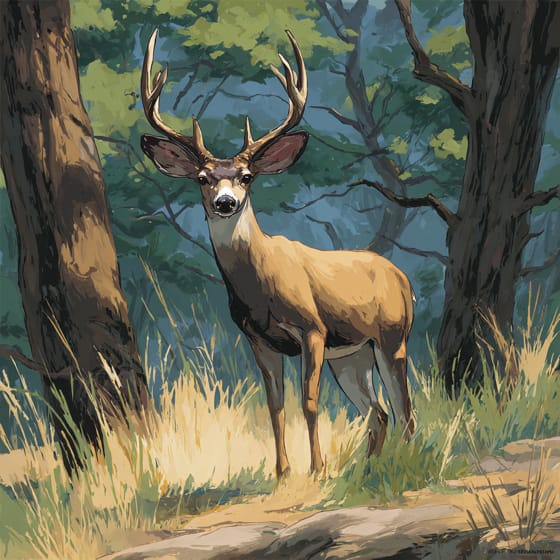
Odocoileus hemionus
Feeds on flowers and stalks
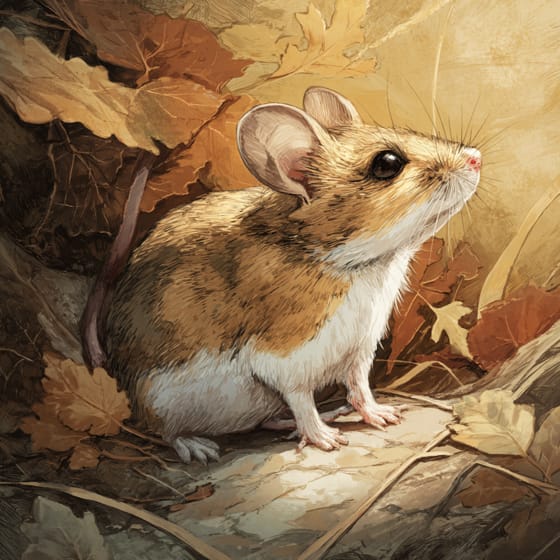
Peromyscus maniculatus
Finds refuge within dense leaves
Flowering plants are any plants that produce flowers as part of their reproductive cycle.
Ornamental plants are cultivated primarily for their aesthetic appeal, enhancing landscapes and gardens with their attractive foliage, flowers, or form.
Summer blooming plants produce their flowers during the summer season, often providing vibrant color when many other plants have finished.
Evergreen plants retain their foliage throughout the year, never shedding all their leaves at once.

Drought-tolerant plants can survive and flourish in conditions with limited water availability.

Edible plants are those parts of a plant that are considered safe for human consumption.

Describes plants that are particularly attractive and beneficial to a wide range of pollinating organisms.

Desert habitats are arid regions characterized by extremely low precipitation and often extreme temperatures, supporting specialized flora and fauna.

This trait signifies organisms belonging to a very old evolutionary group with ancestors dating back millions of years.

This trait characterizes organisms with an exceptionally long lifespan compared to others of their kind.

Possessing sharp, pointed projections or spines on the body or surface.
Danger
2/5 · Low
Be careful around yuccas because their leaves can be sharp.
The easiest way to identify Yuccas is to use the Snappit nature identifier app.
100-500 cm
100-300 cm
3-10 cm
Spring_summer
Yes
Mild
Perennial
Zoom in to split clusters and explore where this object has been snapped.
Take the discovery with you
Snap it with Snappit to identify it, learn what makes it special, and add the discovery to your collection.









.jpg&width=800)



_001.jpg&width=800)

