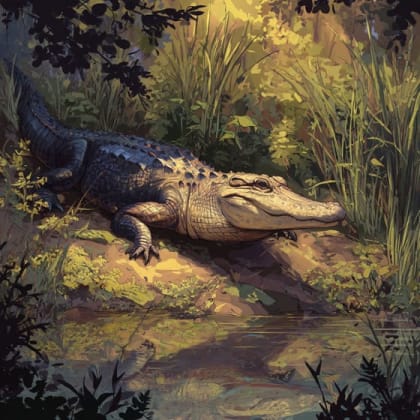





American Alligator

The Бео зоо врт, widely known as the Belgrade Zoo or "Garden of Good Hope" (Vrt dobre nade), stands as an enchanting urban sanctuary nestled within the historic Kalemegdan Park in downtown Belgrade, Serbia.
The Бео зоо врт, widely known as the Belgrade Zoo or "Garden of Good Hope" (Vrt dobre nade), stands as an enchanting urban sanctuary nestled within the historic Kalemegdan Park in downtown Belgrade, Serbia. Established on July 12, 1936, it holds the distinction of being the oldest and largest zoological garden in Serbia, attracting approximately 400,000 visitors annually. This unique venue offers a captivating blend of historical significance, natural beauty, and diverse wildlife, making it a beloved destination that provides a refreshing escape from the city bustle.
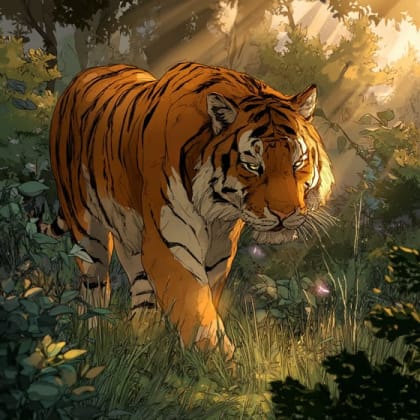
Despite its compact size of 7 hectares, the Belgrade Zoo houses a remarkable collection of around 200 animal species and between 800 and 1,000 individual animals. Among its most celebrated residents are the majestic white lions, which hold a special symbolic meaning for Belgrade ("white city") and represent Europe's first successful breeding program for these rare creatures. Visitors can also marvel at Muja, the world's oldest living American alligator, who has called the zoo home since 1937, and the playful Humboldt penguins in their modern enclosure. Other highlights include impressive big cats like Siberian tigers, graceful giraffes, and a popular petting zoo where children can interact with friendly domestic animals such as pygmy goats and alpacas.
More than just an animal exhibition, the Belgrade Zoo is dedicated to conservation, education, and providing a memorable experience for all ages. Its location within the iconic Kalemegdan Fortress offers visitors not only a chance to observe wildlife up close but also breathtaking panoramic views of the confluence of the Danube and Sava Rivers. Whether seeking an engaging family outing, a tranquil walk amidst nature, or a deeper understanding of global wildlife, the "Garden of Good Hope" offers an intimate and enriching encounter with the animal kingdom, leaving a lasting impression on every guest. Wondering what that bird or insect is? Find out on your visit using the Snappit nature app.
The Belgrade Zoological Garden was officially opened on July 12, 1936, through the initiative of then-Mayor Vlada Ilić, who even purchased some of the initial animals with his own money. Starting at 3.5 hectares, it quickly expanded to about 14 hectares before World War II. During WWII, the zoo suffered immensely, being bombed twice—first by the Nazis in 1941 and again by the Allies in 1944. These devastating attacks heavily damaged the infrastructure and tragically resulted in the loss of most animals and a reduction of its area to its current 7 hectares. Despite these challenging periods, the zoo persevered. Notable figures like director Vuk Bojović, who served from 1986 to 2014, played a crucial role in its revitalization, bringing in new species like great apes, white tigers, and lions, and improving animal living conditions. The zoo is also remembered for its "heroes," including Gabi, a German Shepherd who saved a night guard from an escaped jaguar, and Sami, a chimpanzee famous for his two escapes in 1988. The American alligator, Muja, is a living testament to the zoo's resilience, having arrived in 1937 and remarkably surviving both bombings.
Beyond animal observation, consider attending educational programs or interactive children's workshops. Stroll through the lush Kalemegdan Park, which surrounds the zoo, and visit the Belgrade Fortress for a complete experience of history and nature.
In warmer months, animals may be less active during the hottest parts of the day. In colder weather, some animals might seek indoor shelters, but species adapted to cold, like wolves, might be more lively. The zoo is closed on January 1st and December 25th.
The Belgrade Zoo features accessible pathways and viewing areas, aiming to accommodate visitors with diverse abilities, including wheelchair users. However, visitors should be aware that parts of the zoo, being built into the side of the Belgrade Fortress, can be hilly and steep in certain sections.
Don't miss the famous white lions, the ancient American alligator Muja, and the lively Humboldt penguin enclosure. The big cat exhibits (tigers, leopards), the petting zoo with pygmy goats and alpacas, the giraffe enclosure, and the "Bird City" aviary are also popular. Check for daily feeding sessions, especially for the white lions and wolves, which are typically scheduled around 11 AM and 3 PM.
Each card links to a full Explore page with photos, traits, and fun facts.
Start with the big picture, then zoom in to explore individual wildlife observations around this place.
Check Feeding Schedules
Inquire about daily feeding times for animals like the white lions and wolves, as these are often highlight events and opportunities for active viewing.
Combine with Kalemegdan
Plan to spend extra time exploring Kalemegdan Fortress and Park, as the zoo is an integral part of this historic and scenic area.
Wear Comfortable Shoes
The zoo, especially parts of Kalemegdan Park, can be hilly and involves a fair amount of walking, so comfortable footwear is recommended.
Visit the Petting Zoo
If visiting with children, make sure to allocate time for the petting zoo, where kids can safely interact with domestic animals.
Look for Muja
Seek out Muja the American Alligator, a true living legend and one of the zoo's most historic residents.
Consider Public Transport
The zoo is easily accessible by public transport (buses and trams), and while some parking is available, it can be limited.
Recent snaps will appear here as new observations are added.

Michigan, US
You might spot African Lion, Komodo Dragon, and Brown Bear.
View guide →
.jpg)
Municipal District of Cobh, IE
You might spot Ring-Tailed Lemur, Giraffes, and Cheetahs.
View guide →

Nouvelle-Aquitaine, FR
You might spot Greater Flamingo, Giraffes, and Red Panda.
View guide →

Texas, US
You might spot Giraffes, African Lion, and Eastern Black Rhinoceros.
View guide →
Take the discovery with you
Identify the wildlife you spot, learn as you go, and keep a collection of the adventure.