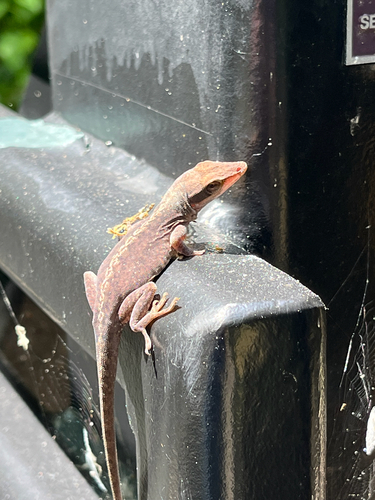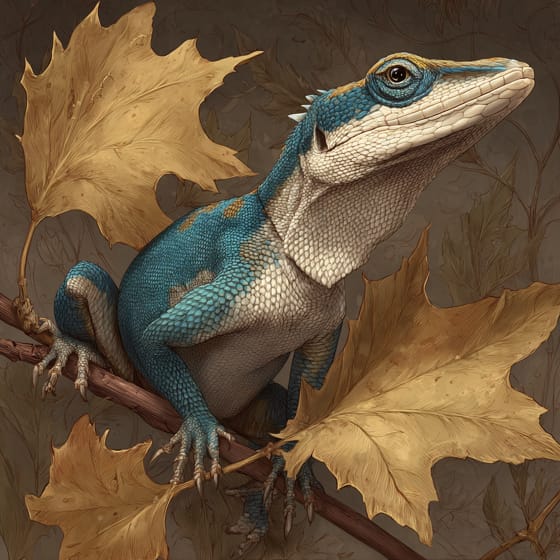





Anole
Anolis carolinensis
Anoles are small lizards that can change color to match their surroundings. They love climbing trees and basking in the sun to stay warm.
Habitat: Forests
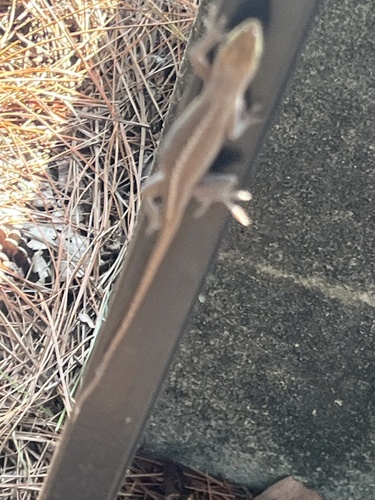
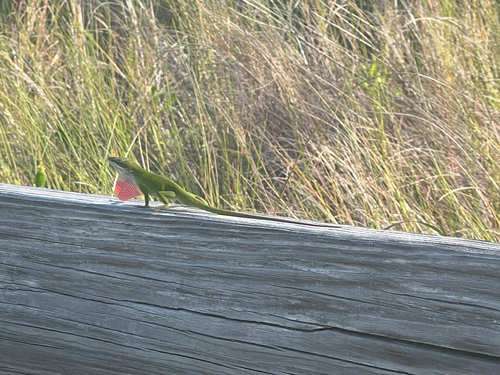
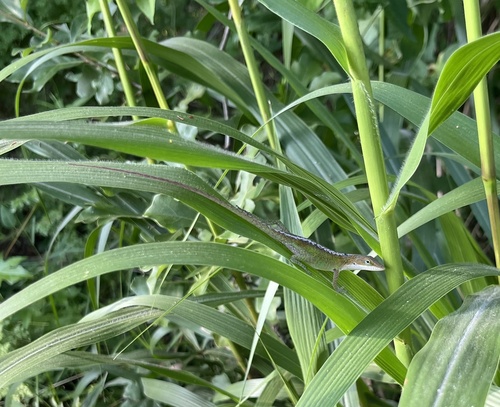
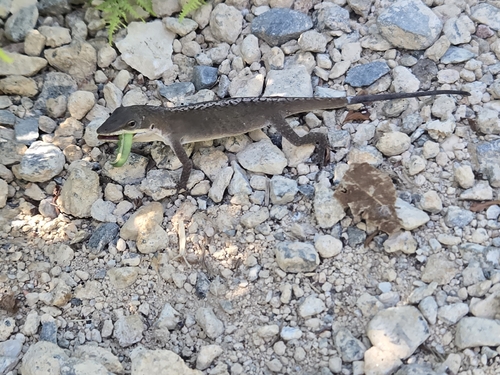
The Anole is a slender, medium-sized lizard, typically vibrant green, but can rapidly change to brown or grey. Males display a prominent, inflatable pink or red dewlap under their chin, making them visually distinct from similar lizards.
Category
ReptilesRarity
Common
Danger
2/5 · Low
Snaps
346
Anoles are often called "American Chameleons" for their quick color changes!
Anoles can lick their own eyeballs to keep them clean and moist!
Male anoles perform vigorous "push-ups" to impress females and warn rivals!
They use their tongues to "taste" the air for smells of food or danger!
Anole can change its skin color from bright green to brown to camouflage perfectly with its surroundings.
Anole has specialized lamellae on its toe pads with microscopic hairs that create strong adhesion, helping it climb smooth surfaces.
Anole can purposefully detach its tail when a predator grabs it, allowing the lizard to escape while the tail wiggles.
Anole has a colorful throat fan (dewlap) that it can extend to communicate with other anoles and attract mates.
These agile hunters primarily feast on small insects and spiders, keeping garden pests in check.
Thamnophis sirtalis
A common predator in its native habitat.
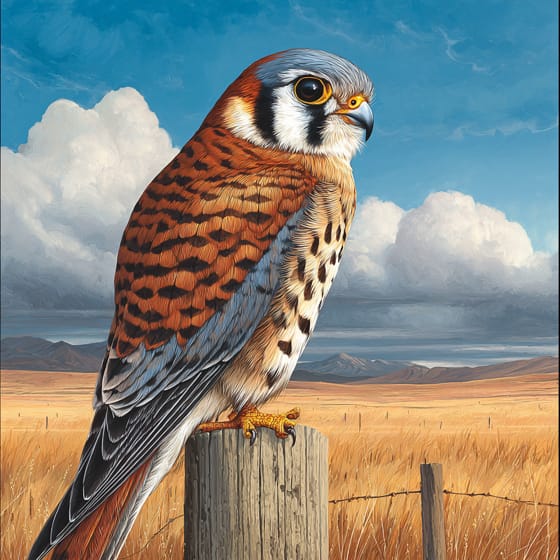
Falco sparverius
A small bird of prey that hunts anoles.
Musca domestica
A common insect prey item for anoles.
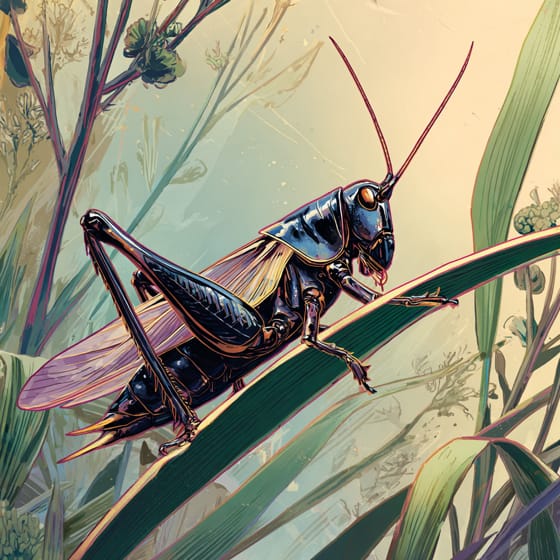
Gryllus assimilis
An anole favorite, providing essential protein.
Wildlife encompasses all undomesticated animal and plant life existing in their natural habitats.
Arboreal animals live primarily in trees, utilizing them for shelter, food, and protection from predators.
Camouflaged describes organisms that possess coloring or patterns that allow them to blend into their environment.
This trait identifies organisms whose diet primarily consists of insects and other small invertebrates.

This trait describes organisms that manipulate external objects to achieve a specific goal.

Forest habitats are terrestrial environments dominated by dense tree cover, supporting a high diversity of plant and animal life.
Regenerative organisms possess the ability to regrow lost or damaged body parts, tissues, or organs.

Nocturnal animals are primarily active during the nighttime hours, typically resting or sleeping during the day.
Danger
2/5 · Low
Observe anoles from a distance and avoid touching or chasing them to keep them safe.
The easiest way to identify Anole is to use the Snappit nature identifier app.
12.5-20.3 cm
0.003-0.007 kg
2-8 years
6 km/h
These agile hunters primarily feast on small insects and spiders, keeping garden pests in check.
Forests
Ambush
Zoom in to split clusters and explore where this object has been snapped.
Jun 19, 2026
BroadmoorPhoto attribution
(c) Elliot Greiner, some rights reserved (CC BY)
License: CC BY 4.0 ↗
Image may be shown cropped inside the card frame.
Jun 6, 2026
Pawleys Island Historic DistrictPhoto attribution
no rights reserved
License: CC0 1.0 ↗
Image may be shown cropped inside the card frame.
May 19, 2026
Bainbridge Commercial Historic DistrictPhoto attribution
(c) Megan Herrmann, some rights reserved (CC BY)
License: CC BY 4.0 ↗
Image may be shown cropped inside the card frame.
May 16, 2026
Daniel Stowe Botanical GardenPhoto attribution
(c) Leigha S, some rights reserved (CC BY)
License: CC BY 4.0 ↗
Image may be shown cropped inside the card frame.
May 5, 2026
Flint RiverQuariumPhoto attribution
(c) Lexa, some rights reserved (CC BY)
License: CC BY 4.0 ↗
Image may be shown cropped inside the card frame.

Georgia, US
You might spot Common Vetch, Tiny Bluet, and Carolina Crane's-Bill.
View guide →

South Carolina, US
You might spot Anole, Green Treefrog, and Eastern Gray Squirrel.
View guide →

South Carolina, US
You might spot American Alligator, Anole, and Great Blue Heron.
View guide →

Alabama, US
You might spot Anole, Eastern Gray Squirrel, and Asian Lady Beetle.
View guide →

Georgia, US
You might spot Gulf Fritillary, Anole, and American Beautyberry.
View guide →

Florida, US
You might spot Atala, Monarch, and Brown Anole.
View guide →
Take the discovery with you
Snap it with Snappit to identify it, learn what makes it special, and add the discovery to your collection.