




May 17, 2026
i
Photo attribution
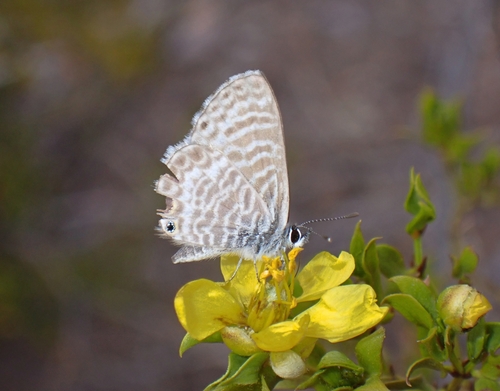
(c) Bao Pham, some rights reserved (CC BY)
License: CC BY 4.0 ↗
Image may be shown cropped inside the card frame.

The Homer Wilson Ranch offers a captivating glimpse into early 20th-century life in the rugged Big Bend region.
The Homer Wilson Ranch offers a captivating glimpse into early 20th-century life in the rugged Big Bend region. This historic district, nestled within Big Bend National Park, preserves the remnants of one of the largest sheep and goat ranches in the Chisos Mountains. Visitors can explore the well-preserved foreman's house and other ranch structures, showcasing remarkable vernacular architecture adapted to the harsh desert environment.
The site features the sturdy ranch house, notable for its flagstone floor, high ceilings, large central fireplace, and a distinctive double roof designed for insulation. Surrounding the house are the intriguing ruins of a circular corral with a central snubbing post, a dipping vat for livestock, and foundations of a bunkhouse and storeroom, all offering a tangible connection to the area's rich ranching heritage. The surrounding Blue Creek Valley, framed by the majestic Chisos Mountains, provides a dramatic backdrop and showcases the diverse Chihuahuan Desert flora, including ocotillo, various cacti, and creosote bush.
This easily accessible historical gem is a must-visit for anyone traversing the Ross Maxwell Scenic Drive, providing a unique opportunity to step back in time. It combines human history with the stunning natural beauty of the Big Bend landscape, making for a memorable and educational experience. The short, easy hike to the ranch allows for immersion in the tranquil desert setting, while interpretive signs shed light on the challenges and ingenuity of frontier life. Wondering what that bird or insect is? Find out on your visit using the Snappit nature app.
The Homer Wilson Ranch, also known as the Blue Creek Ranch, was established in 1929 by Homer Wilson, a World War I veteran and petroleum engineer. Specializing in sheep and goat operations, it became one of the largest ranches in what would eventually become Big Bend National Park, spanning over 28,000 acres at its peak. Wilson’s ranch was significant for pioneering large-scale sheep and goat ranching in the arid Big Bend region, moving away from cattle operations. The ranch, particularly the Blue Creek area, was acquired by the State of Texas in 1942 for incorporation into the new park. While many ranch buildings in the park were demolished, the foreman's house at Blue Creek was intentionally preserved by Big Bend's first superintendent, Ross Maxwell, recognizing its historical value. The ranch was abandoned around 1945, and the Blue Creek area of the ranch was placed on the National Register of Historic Places in 1975, safeguarding its legacy for future generations.
Hike the easy, 1-mile roundtrip trail from Ross Maxwell Scenic Drive down to the ranch site. Observe the unique desert plants and keep an eye out for desert wildlife that frequent the area. Interpretive signs at the overlook and the ranch provide historical context.
Summers in Big Bend are extremely hot, making early morning or late afternoon visits crucial. Flash floods can occur in the drainages during the rainy season (typically summer and early fall), potentially affecting trail conditions. Winters are generally mild and pleasant.
A wheelchair-accessible ramp leads to the Homer Wilson Ranch Overlook, offering views of the ranch in the valley below. The trail down to the ranch house itself is rocky and gravel, with a steep downhill section and crosses two drainages, making it less accessible for wheelchairs.
Explore the preserved stone structure, noting its unique architectural features like the flagstone floor, reed ceiling, and central fireplace.
Discover the circular corral, snubbing post, and dipping vat, which tell the story of the ranch's livestock operations.
Enjoy expansive views of the valley and the Chisos Mountains from the accessible overlook near the trailhead.
Each card links to a full Explore page with photos, traits, and fun facts.
We are still adding species preview cards for this place.
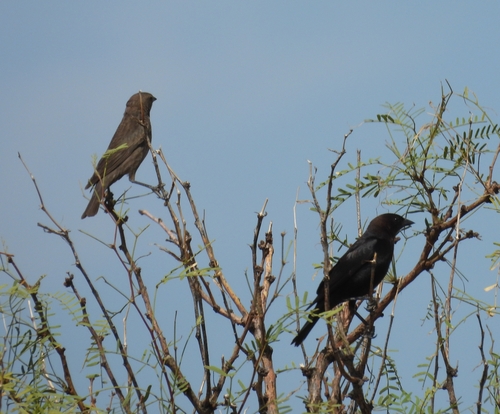
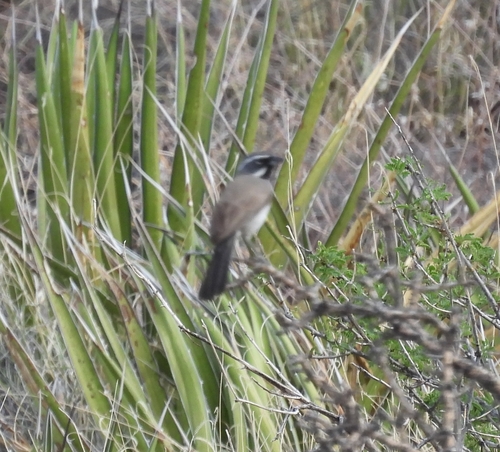
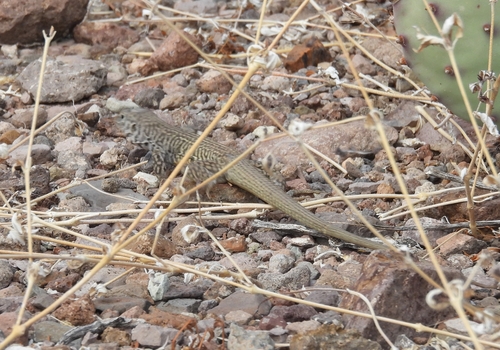
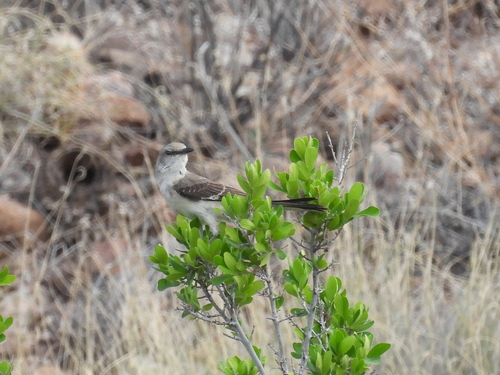
Start with the big picture, then zoom in to explore individual wildlife observations around this place.
Bring plenty of water
Even for short hikes in Big Bend, hydration is crucial, especially during warmer months.
Wear appropriate footwear
The trail, though short, is rocky and sandy, so closed-toe shoes with good traction are recommended.
Combine with other stops
The ranch is a quick stop along the Ross Maxwell Scenic Drive; plan to visit other scenic points and trails along this route.
Watch for wildlife
Big Bend is home to various desert animals; observe them from a safe distance and never feed them.
Utilize interpretive signs
Read the signs at the overlook and the ranch to fully appreciate the historical significance of the site.
Visit during cooler hours
To avoid extreme heat, especially from late spring to early fall, plan your visit for early morning or late afternoon.
May 17, 2026
Photo attribution
(c) Bao Pham, some rights reserved (CC BY)
License: CC BY 4.0 ↗
Image may be shown cropped inside the card frame.
May 17, 2026
Photo attribution
(c) Bao Pham, some rights reserved (CC BY)
License: CC BY 4.0 ↗
Image may be shown cropped inside the card frame.
May 17, 2026
Photo attribution
(c) Bao Pham, some rights reserved (CC BY)
License: CC BY 4.0 ↗
Image may be shown cropped inside the card frame.
May 17, 2026
Photo attribution
(c) Bao Pham, some rights reserved (CC BY)
License: CC BY 4.0 ↗
Image may be shown cropped inside the card frame.
May 17, 2026
Photo attribution
(c) Bao Pham, some rights reserved (CC BY)
License: CC BY 4.0 ↗
Image may be shown cropped inside the card frame.

Maryland, US
You might spot White-Tailed Deer and Eastern Gray Squirrel.
View guide →
.jpg)
District of Columbia, US
You might spot Eastern Gray Squirrel, Duck, and House Sparrow.
View guide →

Illinois, US
You might spot American Robin, Canada Goose, and House Sparrow.
View guide →

Virginia, US
You might spot Spotted Lanternfly and Northern Cardinal.
View guide →
Take the discovery with you
Identify the wildlife you spot, learn as you go, and keep a collection of the adventure.