





Black-throated Sparrow
Amphispiza bilineata
The Black-throated Sparrow is a small, cheerful bird with a black throat and a lovely song. They are often found hopping around in the desert, looking for seeds and insects to eat.
Habitat: Desert
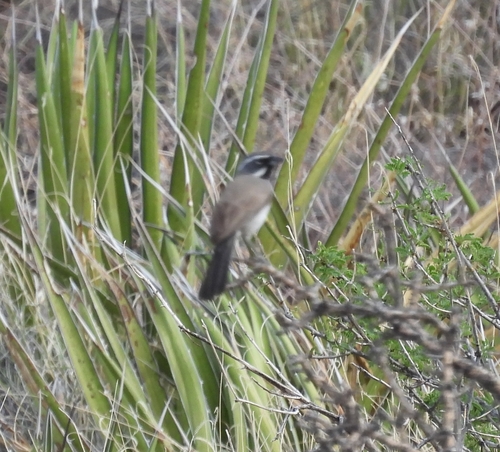
The Black-throated Sparrow has a striking pattern with a solid black throat and lore, contrasted by a bold white stripe above its eye. Its back is grey-brown, and its belly is plain white, making it distinct from other desert sparrows.
Category
BirdsRarity
Common
Danger
1/5 · Very low
Snaps
17
Sometimes called "desert songsters," they masterfully blend into sandy landscapes!
Their sweet, tinkling song sounds like tiny bells ringing across the quiet desert!
They often build cozy nests hidden inside spiky cacti or desert shrubs for safety!
Wow! This tiny bird can survive in scorching deserts without needing to drink water daily!
Black-throated Sparrows can get most of their water from food, helping them survive and thrive in very arid, dry environments.
This sparrow has special adaptations that help it tolerate extreme desert temperatures, staying active when other animals seek shade.
The Black-throated Sparrow has a distinct, musical song with bell-like phrases that helps it communicate and defend its territory.
They munch on tiny seeds and juicy insects found foraging on the desert floor.
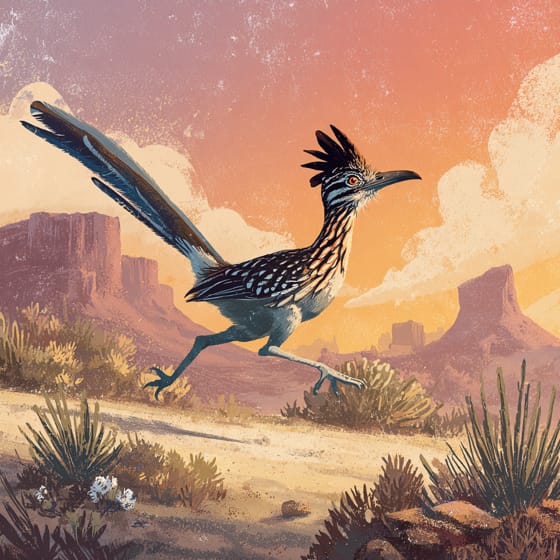
Geococcyx californianus
hunts for agile desert sparrows
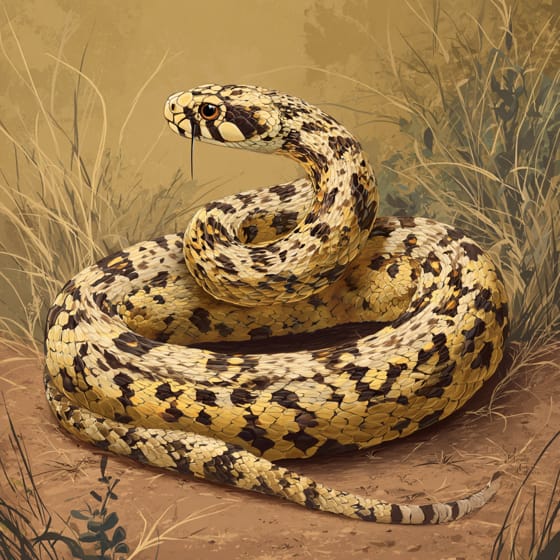
Pituophis catenifer
preys on nests and ground-foraging birds

Larrea tridentata
nests and finds seeds among its branches
Formica fusca
forages for ants and other insects
Feathered describes animals, primarily birds, possessing a covering of feathers.
Social animals live in organized groups, cooperating for survival benefits such as foraging, defense, and raising offspring.
Singing animals produce complex vocalizations, often for purposes of attracting mates, defending territory, or communicating within their species.
This trait identifies organisms whose diet primarily consists of insects and other small invertebrates.

Desert habitats are arid regions characterized by extremely low precipitation and often extreme temperatures, supporting specialized flora and fauna.

Diurnal animals are primarily active during daylight hours, typically resting or sleeping at night.
No aliases listed yet.
Danger
1/5 · Very low
Enjoy watching birds from a distance and don't try to touch them.
The easiest way to identify Black-throated Sparrow is to use the Snappit nature identifier app.
12.5-14.5 cm
20-22 cm
0.012-0.016 kg
2-5 years
40 km/h
They munch on tiny seeds and juicy insects found foraging on the desert floor.
Desert
Zoom in to split clusters and explore where this object has been snapped.
May 17, 2026
Homer Wilson RanchPhoto attribution
(c) Bao Pham, some rights reserved (CC BY)
License: CC BY 4.0 ↗
Image may be shown cropped inside the card frame.

Arizona, US
You might spot Northern Cardinal, Engelmann's Hedgehog Cactus, and Queen.
View guide →

Nevada, US
You might spot Engelmann's Hedgehog Cactus.
View guide →

Arizona, US
You might spot Saguaro and Graham's Nipple Cactus.
View guide →

New Mexico, US
You might spot Common Side-Blotched Lizard and Kingcup Cactus.
View guide →

Arizona, US
You might spot Saguaro.
View guide →

Arizona, US
You might spot Chuparosa, Verdin, and American Threefold.
View guide →
Take the discovery with you
Snap it with Snappit to identify it, learn what makes it special, and add the discovery to your collection.




.jpg&width=800)









