.jpg&width=800)




Bladderpod
Cleomella arborea
Bladderpod is a unique plant with bright yellow flowers that bloom in the spring. Its funny name comes from the round, balloon-like pods that grow on its stems!
Habitat: Desert
The Bladderpod is a tall, woody shrub recognized by its clusters of bright yellow, four-petaled flowers. Its most distinctive feature is the inflated, globe-shaped seed pods, which start green and ripen to a papery tan.
Category
PlantsRarity
Common
Danger
1/5 · Very low
Snaps
11
Despite its desert home, the Bladderpod is a distant cousin to broccoli and mustard!
Its unique 'bladder' pods give this plant its funny, descriptive common name!
Many Bladderpods have a distinct, somewhat spicy or pungent aroma, especially when you brush past them!
Some Bladderpod species are so tall, they can tower over a grown-up!
Bladderpod has hollow, inflated seed pods that catch the wind, helping its seeds travel far from the parent plant.
Bladderpod can thrive in dry, arid environments thanks to its deep root system that helps it find scarce water.
Bladderpod produces strong-smelling chemicals that make its leaves taste bad, protecting it from munching animals.
Apis mellifera
gathers nectar and pollen for its hive
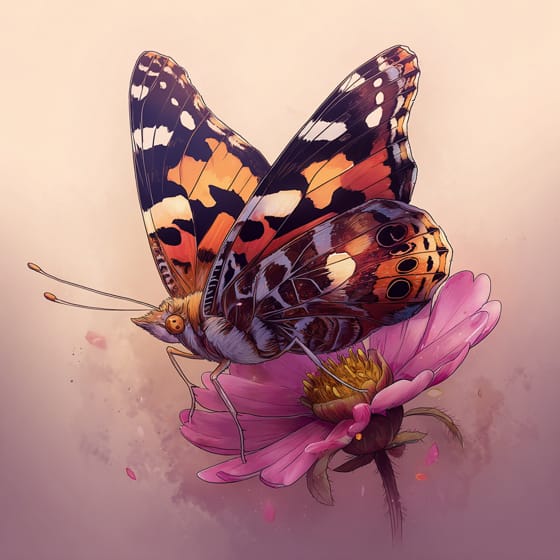
Vanessa cardui
visits bright flowers for sweet nectar
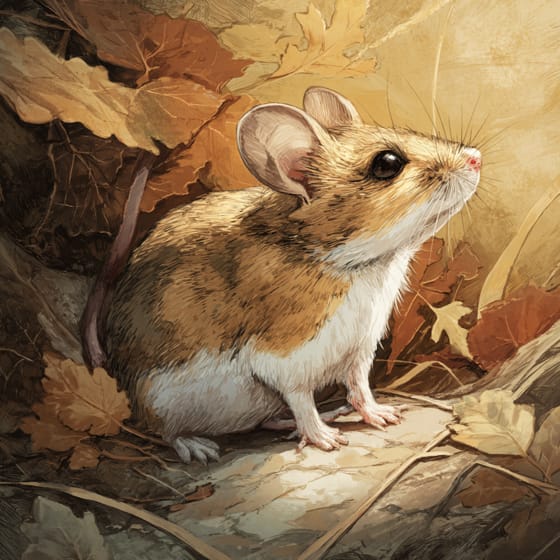
Peromyscus maniculatus
might eat the Bladderpod's nutritious seeds
Flowering plants are any plants that produce flowers as part of their reproductive cycle.
Describes organisms capable of converting atmospheric nitrogen into compounds usable by plants.
Spring blooming plants produce their flowers during the spring season, often signifying the end of winter and the start of new growth.
Drought-tolerant plants can survive and flourish in conditions with limited water availability.

Colorful describes organisms or objects displaying a wide range of bright and distinct colors.

Describes plants that are particularly attractive and beneficial to a wide range of pollinating organisms.

Desert habitats are arid regions characterized by extremely low precipitation and often extreme temperatures, supporting specialized flora and fauna.
No aliases listed yet.
Danger
1/5 · Very low
Always look but don't touch wild plants, as some can be prickly or not safe.
The easiest way to identify Bladderpod is to use the Snappit nature identifier app.
100-300 cm
50-150 cm
1-2 cm
Spring to early summer
No
None
Perennial
Zoom in to split clusters and explore where this object has been snapped.

California, US
You might spot Western Fence Lizard and California Brittlebush.
View guide →

California, US
You might spot Peridot Sweat Bee and Western Fence Lizard.
View guide →

California, US
You might spot Western Fence Lizard, Duck, and California Brittlebush.
View guide →

California, US
You might spot Sunburst Anemone, Ochre Sea Star, and Striped Shore Crab.
View guide →

California, US
You might spot Sunburst Anemone, Western Gull, and Giant Coreopsis.
View guide →

California, US
You might spot Orca, Bottlenose Dolphin, and Beluga Whale.
View guide →
Take the discovery with you
Snap it with Snappit to identify it, learn what makes it special, and add the discovery to your collection.








.jpg&width=800)



_001.jpg&width=800)




