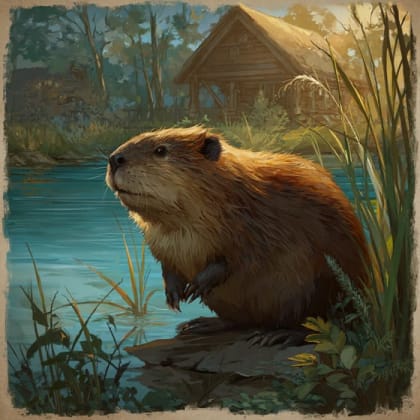


Brown Bear

The Kijik Archeological District is a profound historical landscape in Alaska.
The Kijik Archeological District is a profound historical landscape in Alaska. This National Historic Landmark safeguards a millennium of Dena'ina Athabascan cultural history. Located within the breathtaking Lake Clark National Park and Preserve, Kijik (Qizhjeh, meaning 'place where people gather') offers an unparalleled window into the lives of the indigenous people who thrived here for centuries. It represents one of Alaska's most significant concentrations of Dena'ina heritage, where the remnants of a once-bustling community whisper tales of resilience and tradition.
The district encompasses over a dozen archeological sites, including the remains of a Dena'ina village abandoned in the early 20th century. Key features include foundations of log houses, traditional bath houses, community structures, and underground caches that once stored vital food supplies. A poignant reminder of historical influence is the surviving evidence of a Russian Orthodox church, built around 1889. While direct public access to these sensitive sites is generally restricted for preservation, the National Park Service works with indigenous communities to study and protect this irreplaceable heritage, sometimes involving cultural camps to pass on traditional knowledge.
Kijik's significance extends beyond its artifacts; it is inextricably linked to the vibrant natural landscape that sustained its people. The Kijik Lake and River, flowing into the vast Lake Clark, provided abundant sockeye salmon—a cornerstone of Dena'ina life—which still attracts brown bears to the area. Understanding Kijik is to understand the deep connection between the Dena'ina people and the rich Alaskan wilderness, a story of adaptability, community, and enduring cultural spirit. Unlock an interactive field guide for this spot: get the Snappit app to identify nature on the go.
The Kijik Archeological District is the ancestral homeland of the Dena'ina Athabascan people, with archaeological evidence suggesting human adaptations in the area for as long as 10,000 years. Historical records mention the Qizhjeh village as early as 1818, thriving for approximately 900 years on the shores of Lake Clark. The Dena'ina people established a strong cultural connection to the land, water, and wildlife, supported by rich resources like abundant firewood, strong salmon runs, and ample hunting and fishing opportunities. The village grew to be one of Alaska's largest and was well-connected through trade routes like the Telaquana Trail. However, the early 20th century brought devastating change. Between 1902 and 1909, a flu-measles epidemic led to the abandonment of the village, with survivors relocating to Old Nondalton, seeking proximity to trading posts and canneries. In 1979, a portion of the village site was listed on the National Register of Historic Places, and in 1994, the larger archeological district was designated a National Historic Landmark, recognizing its unique concentration of sites related to the inland Dena'ina people. Today, the area is managed in partnership with the Nondalton Tribal Council, focusing on preservation and cultural heritage.
Summer offers the best weather and wildlife viewing. Winters are extremely cold and challenging for travel, though snow-covered landscapes can offer unique photographic opportunities if access were granted.
Kijik Archeological District is a remote wilderness site with no roads or developed trails directly leading to it. Access typically involves float planes. The terrain is natural and undeveloped, offering very limited accessibility for individuals with mobility challenges.
Each card links to a full Explore page with photos, traits, and fun facts.
Start with the big picture, then zoom in to explore individual wildlife observations around this place.
Plan a trip to Lake Clark National Park and Preserve:** Since direct access to Kijik Archeological District is restricted, focus on visiting Lake Clark National Park.
Engage with Dena'ina cultural resources
Seek out interpretive programs, exhibitions, or online resources provided by the National Park Service and Dena'ina communities to learn about Kijik's history.
Prepare for remote wilderness travel
Lake Clark National Park is largely roadless. Be prepared for air travel (float plane) and rugged conditions if exploring the surrounding areas.
Respect cultural heritage
Understand that Kijik is a sacred and highly respected place for the Dena'ina people, and any engagement with its history should be done with reverence.
Consider seasonal timing
To experience the natural environment that sustained the Dena'ina, aim for summer when salmon runs are active and wildlife viewing opportunities are higher.
Prioritize safety
When in Lake Clark National Park, be aware of wildlife, especially brown bears, and follow all park safety guidelines.
Jun 26, 2025
Jun 26, 2024
Jun 25, 2024
Jun 25, 2024
Jun 22, 2024

Maryland, US
You might spot White-Tailed Deer and Eastern Gray Squirrel.
View guide →
.jpg)
District of Columbia, US
You might spot Eastern Gray Squirrel, Duck, and House Sparrow.
View guide →

Illinois, US
You might spot American Robin, Canada Goose, and House Sparrow.
View guide →

Virginia, US
You might spot Spotted Lanternfly and Northern Cardinal.
View guide →
Take the discovery with you
Identify the wildlife you spot, learn as you go, and keep a collection of the adventure.