





Fiery Skipper
Hylephila phyleus
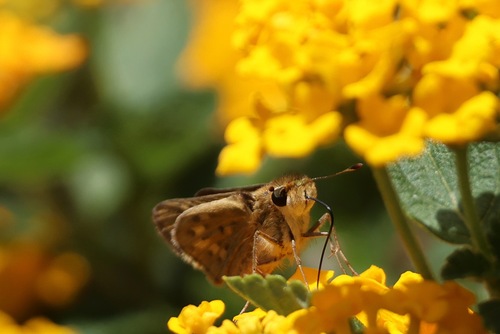
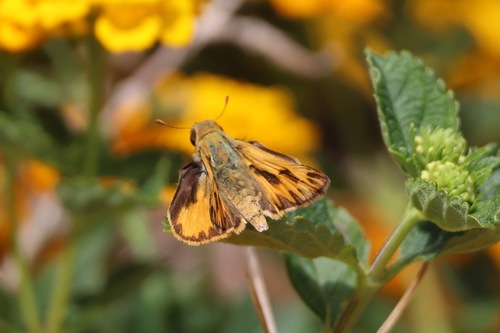
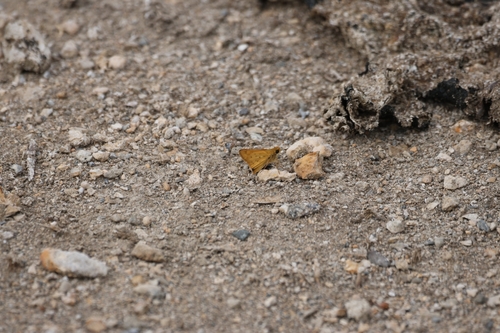
The Fiery Skipper is a small butterfly with bright orange and brown wings. They love to flutter around flowers and are often seen in sunny places during warm months.
Habitat: Grasslands
The Fiery Skipper is a small butterfly with a robust body and distinctly triangular wings. Males have bright orange-yellow forewings with scattered black spots, while females are duller, often brownish-orange with darker markings. They are visually different from true butterflies by their hooked antennae and thicker bodies.
Category
InsectsRarity
Common
Danger
1/5 · Very low
Snaps
39
Even though tiny, these skippers can migrate surprisingly long distances each year!
Fiery Skippers get their name from their amazing "skipping" flight pattern, not smooth flying!
Their caterpillars are sometimes called "lawn worms" because they munch on grass!
Unlike most butterflies, skippers have antennae with little hooks at the very end.
Fiery Skippers can dart quickly and erratically through the air because of their powerful wing muscles that helps them evade predators.
Fiery Skippers have a long, coiled proboscis that helps them reach sweet nectar deep inside tubular flowers.
Fiery Skipper caterpillars can roll and tie leaves together that helps them create a safe, camouflaged shelter from hungry birds.
Adult Fiery Skippers sip flower nectar, while their hungry caterpillars munch on various types of grass.
Age differences: Larvae eat grasses, adults sip nectar.
Cynodon dactylon
Larvae feed on its leaves.
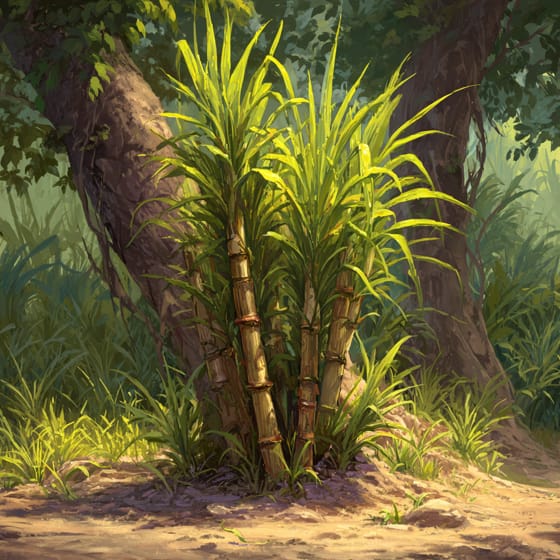
Saccharum officinarum
Larvae sometimes feed on it.
Daucus carota
Adults visit its flowers.
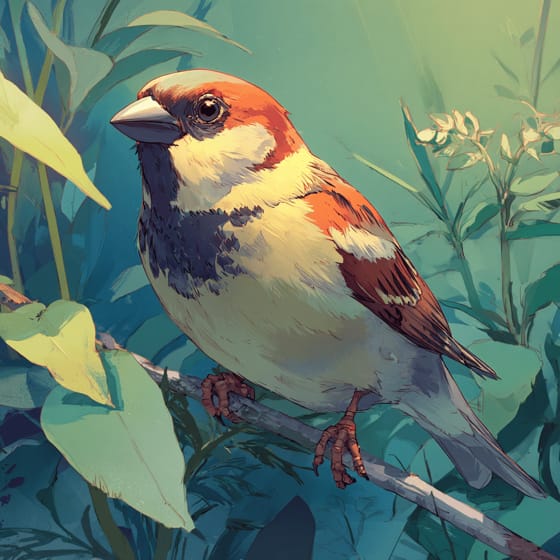
Passer domesticus
Birds prey on larvae and adults.
Social animals live in organized groups, cooperating for survival benefits such as foraging, defense, and raising offspring.
Colorful describes organisms or objects displaying a wide range of bright and distinct colors.
Grassland habitats are terrestrial biomes dominated by grasses and herbaceous plants, supporting a variety of grazing animals.
This trait characterizes organisms whose diet consists entirely or primarily of plant material.

Describes plants that are particularly attractive and beneficial to a wide range of pollinating organisms.

Diurnal animals are primarily active during daylight hours, typically resting or sleeping at night.

Pertaining to species that are significantly smaller than typical or average for their kind.

Describes organisms that transfer pollen, enabling the fertilization and reproduction of plants.
Danger
1/5 · Very low
Butterflies are gentle and safe to watch. Don't try to catch them; just enjoy their beauty!
The easiest way to identify Fiery Skipper is to use the Snappit nature identifier app.
25-35 mm
10-15 mm
10-14 days
15 km/h
Adult Fiery Skippers sip flower nectar, while their hungry caterpillars munch on various types of grass.
Grasslands
Foraging
Zoom in to split clusters and explore where this object has been snapped.
Jun 6, 2026
Self-Realization Fellowship Encinitas Hermitage and Meditation GardensPhoto attribution
(c) Rachel Lee Harper, some rights reserved (CC BY)
License: CC BY 4.0 ↗
Image may be shown cropped inside the card frame.
Jun 6, 2026
San Diego Botanic GardenPhoto attribution
(c) Rachel Lee Harper, some rights reserved (CC BY)
License: CC BY 4.0 ↗
Image may be shown cropped inside the card frame.
Jun 6, 2026
Koko Crater Botanical GardenPhoto attribution
(c) Damien Wallace, some rights reserved (CC BY)
License: CC BY 4.0 ↗
Image may be shown cropped inside the card frame.

Texas, US
You might spot Anole, Monarch, and Pinkladies.
View guide →

US
You might spot Wharf Louse, Osprey, and Ruddy Turnstone.
View guide →

South Carolina, US
You might spot Anole, Asian Lady Beetle, and Gulf Fritillary.
View guide →

Florida, US
You might spot American Alligator, Brown Anole, and Red-Shouldered Hawk.
View guide →

Florida, US
You might spot American Beautyberry and Brown Anole.
View guide →

California, US
You might spot Western Fence Lizard and Pacific Poison Oak.
View guide →
Take the discovery with you
Snap it with Snappit to identify it, learn what makes it special, and add the discovery to your collection.






.jpg&width=800)



