





California buckeye
Aesculus californica
The California buckeye is a beautiful tree with big, bright green leaves and lovely flowers. It grows in sunny places and can be very tall, making it a great home for birds and other animals.
Habitat: Coastal areas
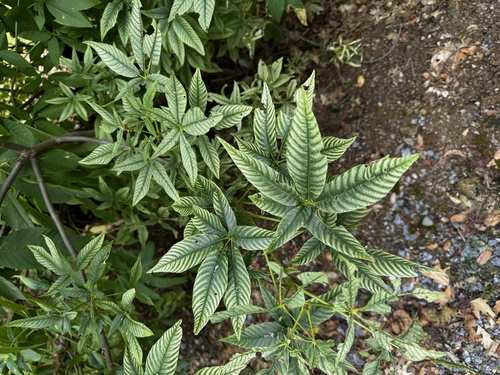
The California buckeye is a deciduous tree with a striking dome-shaped crown and smooth, grey bark. Its large, palmate leaves, divided into 5-7 leaflets, turn golden in summer before dropping early. Showy clusters of white to pale pink, fragrant flowers bloom upright.
Category
PlantsRarity
Common
Danger
2/5 · Low
Snaps
25
Even though its nectar is toxic to European honeybees, native bees and hummingbirds love it!
It's one of the first trees to drop its leaves in California, often by mid-summer!
Native Californians once leached toxins from the seeds to safely use them for food!
The 'buckeye' name comes from the seed's dark spot, looking just like a deer's eye!
California buckeye has a unique ability to drop its leaves in summer, entering early dormancy to survive long, dry California summers without water.
California buckeye produces toxic compounds in its leaves and seeds, protecting itself from most herbivores who would otherwise eat its parts.
California buckeye grows very large seeds that store ample energy, allowing new seedlings to establish quickly in challenging, dry conditions.
Bombus vosnesenskii
Provides vital nectar for native bumblebees.

Calypte anna
Hummingbirds feed on its abundant, nectar-rich flowers.

Sciurus griseus
Squirrels consume its toxic seeds after careful preparation.
Deciduous plants periodically shed all their leaves, typically during autumn or dry seasons.
Flowering plants are any plants that produce flowers as part of their reproductive cycle.
Broadleaf trees are angiosperms characterized by flat, wide leaves that are typically shed annually in temperate climates.
Fragrant flowers emit a pleasant aroma, often to attract pollinators or for defense.

Nut bearing plants produce hard-shelled fruits, commonly known as nuts, which contain a single seed and are a valuable food source.

Fall color refers to the seasonal change in foliage pigmentation, primarily in deciduous plants, displaying vibrant hues.

Describes plants that are particularly attractive and beneficial to a wide range of pollinating organisms.

Coastal habitats are dynamic environments located along the interface between land and sea, influenced by tides, waves, and saltwater.
No aliases listed yet.
Danger
2/5 · Low
Don't eat the seeds of the buckeye; they can make you feel sick.
The easiest way to identify California buckeye is to use the Snappit nature identifier app.
400-1500 cm
400-1000 cm
1-2 cm
Late_spring_to_early_summer
No
High
Perennial
Zoom in to split clusters and explore where this object has been snapped.
May 28, 2026
ColomaPhoto attribution
(c) J. Roe, some rights reserved (CC BY)
License: CC BY 4.0 ↗
Image may be shown cropped inside the card frame.

California, US
You might spot Sequoia, California Newt, and Pacific Dogwood.
View guide →

California, US
You might spot Redwood, Pacific Trillium, and Evergreen Huckleberry.
View guide →

California, US
You might spot Warrior's Plume and Purple Owl's-Clover.
View guide →

California, US
You might spot White Globe Lily, Rose Campion, and Pipevine Swallowtail.
View guide →
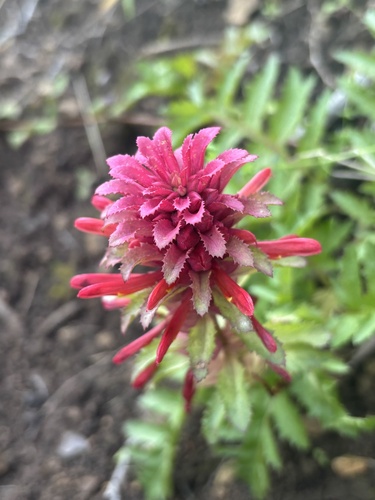
California, US
You might spot Warrior's Plume, Western Leatherwood, and White Globe Lily.
View guide →

California, US
You might spot Western Fence Lizard and Springtime Amanita.
View guide →
Take the discovery with you
Snap it with Snappit to identify it, learn what makes it special, and add the discovery to your collection.







.jpg&width=800)

_001.jpg&width=800)




