





Bottlenose Dolphin

The Miami Seaquarium, a landmark marine park on Virginia Key in Miami-Dade County, Florida, permanently closed its doors on October 12, 2025, after 70 years of operation.
The Miami Seaquarium, a landmark marine park on Virginia Key in Miami-Dade County, Florida, permanently closed its doors on October 12, 2025, after 70 years of operation. For decades, it was one of the oldest continuously operating oceanariums in the United States, delighting visitors with its extensive collection of marine animals, captivating shows, and interactive experiences. Once a vibrant attraction, its legacy is now intertwined with both cherished memories and significant animal welfare controversies that ultimately led to its closure.
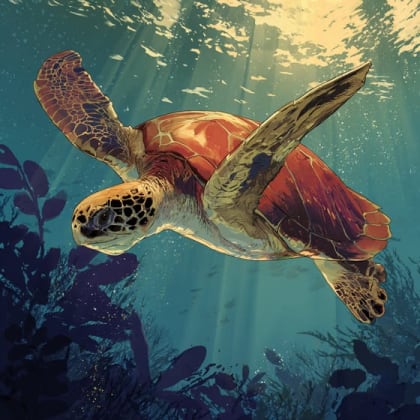
Historically, the Seaquarium was celebrated for its live shows featuring dolphins and sea lions, and for being the filming location of the iconic 1960s television series "Flipper." Key attractions included the Flipper Dolphin Show, the Golden Dome Sea Lion Show, and opportunities for interactive animal encounters like swimming with dolphins. Beyond the main shows, the park housed a diverse range of marine life, such as Florida manatees, various shark species, sea turtles, Caribbean flamingos, penguins, and a vibrant tropical reef aquarium.
Despite its long history as a popular tourist destination, the Miami Seaquarium faced increasing scrutiny over its animal care, culminating in numerous violations of the Animal Welfare Act. These concerns, alongside decaying infrastructure, led to the termination of its lease by Miami-Dade County and its eventual closure. The site is now slated for redevelopment into a new waterfront destination with a marine-mammal-free aquarium, marina, restaurants, and public spaces. Don't forget to bring the Snappit nature identification app along to scan local species.
The Miami Seaquarium was founded by Fred D. Coppock and Captain W.B. Gray, officially opening its doors on September 24, 1955. When it first opened, it was renowned as the largest marine-life attraction in the world and the second marine-life attraction in Florida. From 1963 to 1967, the marine park gained international fame as the primary filming location for 88 episodes of the popular television show "Flipper" and two related movies, embedding itself in popular culture. Over the decades, the Seaquarium saw changes in ownership, including an acquisition by Palace Entertainment in 2014, and later by The Dolphin Company in 2022. However, in its later years, the facility became increasingly embroiled in controversy. Numerous U.S. Department of Agriculture (USDA) inspection reports cited serious animal welfare violations, including inadequate veterinary care, poor facilities, and issues regarding animal handling and separation. The death of Lolita the orca in August 2023, after over 50 years in captivity in the park's smallest orca tank, brought significant public and activist attention to the facility's conditions. These persistent issues led Miami-Dade County to terminate the Seaquarium's lease in March 2024, citing a "long and troubling history of violations." The Dolphin Company filed for Chapter 11 bankruptcy in March 2025, and the Miami Seaquarium ultimately ceased operations on October 12, 2025.
Miami's warm climate meant the Seaquarium was open year-round. However, visitors in summer months would need to be prepared for heat, as much of the park was outdoors. Holiday periods typically saw larger crowds.
Former Accessibility Features: While specific details are now historical, the park generally offered amenities like wheelchair rentals to accommodate guests with mobility needs.
While specific details are now historical, the park generally offered amenities like wheelchair rentals to accommodate guests with mobility needs.
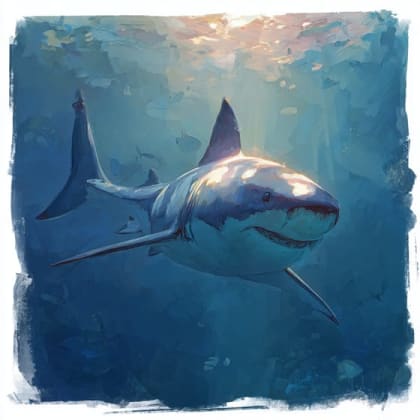
The star attractions were the Flipper Dolphin Show and the Golden Dome Sea Lion Show, featuring bottlenose dolphins and sea lions performing tricks. The Tropical Reef Aquarium, a 750,000-gallon saltwater exhibit, was teeming with colorful reef fishes, large groupers, stingrays, and moray eels. Other notable exhibits included the Manatee Exhibit, Shark Channel, Tropical Wings for birds, Penguin Isle, and Touch Pools where guests could interact with bamboo sharks, cleaner fish, and invertebrates.
Each card links to a full Explore page with photos, traits, and fun facts.
Start with the big picture, then zoom in to explore individual wildlife observations around this place.
(Historical)
Since the venue is now closed, these tips are for historical context regarding what would have enhanced a visit:
Arrive Early
Historically, getting to the park right at opening allowed visitors to experience more before crowds peaked.
Plan Your Show Schedule
The daily showtimes varied, so checking the schedule upon arrival was crucial to catch all desired performances.
Stay Hydrated and Sun-Protected
With much of the park being outdoors in sunny Miami, bringing water, hats, and sunscreen was advisable.
Consider Interactive Programs
For a more memorable experience, historical visitors often opted for extra-cost animal encounters like dolphin swims or seal interactions.
Wear Comfortable Shoes
The 38-acre park covered a significant area, making comfortable footwear essential for exploring all the exhibits.
Jun 6, 2026
Jun 6, 2026
Jun 6, 2026
Jun 4, 2026
Jun 4, 2026

Michigan, US
You might spot African Lion, Komodo Dragon, and Brown Bear.
View guide →
.jpg)
Municipal District of Cobh, IE
You might spot Ring-Tailed Lemur, Giraffes, and Cheetahs.
View guide →

Nouvelle-Aquitaine, FR
You might spot Greater Flamingo, Giraffes, and Red Panda.
View guide →

Texas, US
You might spot Giraffes, African Lion, and Eastern Black Rhinoceros.
View guide →
Take the discovery with you
Identify the wildlife you spot, learn as you go, and keep a collection of the adventure.
















.jpg&width=800)






.jpg&width=800)








