North American River Otter

Discover Virginia's natural wonders at the Virginia Living Museum, where wildlife, science, and the outdoors converge in an engaging experience for all ages.
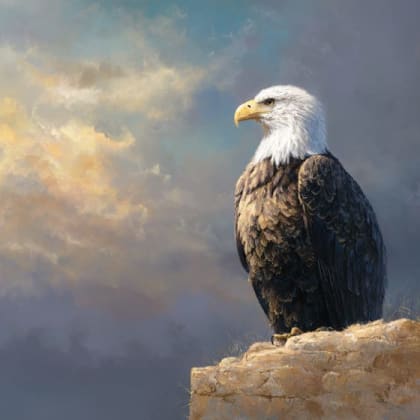
Discover Virginia's natural wonders at the Virginia Living Museum, where wildlife, science, and the outdoors converge in an engaging experience for all ages. More than just a zoo, this unique institution blends elements of an aquarium, botanical garden, science center, and planetarium, focusing exclusively on the native species and ecosystems found across the Commonwealth. Visitors can explore diverse habitats, from the majestic mountains to the vibrant Chesapeake Bay, all within a single location. The museum's design invites guests to encounter over 250 species of animals and plants in naturalized settings, fostering a deeper understanding and appreciation for local biodiversity. The visitor experience is a captivating blend of indoor and outdoor exploration. Indoors, galleries transport you through Virginia's distinct regions, featuring a dramatic 30,000-gallon Chesapeake Bay Aquarium teeming with aquatic life and the intriguing "World of Darkness" exhibit showcasing nocturnal creatures. Outdoors, a scenic 3/4-mile boardwalk trail winds through woodlands and wetlands, providing opportunities to spot native animals like playful river otters, majestic bald eagles, and the elusive red wolves in their expansive habitats. Beyond live animals, guests can delve into prehistoric times at the Dinosaur Discovery Trail, offering a fun, interactive area with life-sized dinosaur sculptures and fossil digs. A visit to the Virginia Living Museum is worthwhile for its commitment to conservation education and its hands-on approach to learning. The museum inspires curiosity through interactive exhibits, daily keeper talks, and unique animal encounters, highlighting the importance of protecting Virginia's natural heritage. Whether you're peering into the depths of the Chesapeake Bay, wandering through a re-created mountain cove, or gazing at the stars in the Abbitt Planetarium, the museum provides a comprehensive and inspiring look at the incredible interconnectedness of life in Virginia. Planning to visit? Download the Snappit app to identify the wildlife you spot in real-time.
The Virginia Living Museum has a rich history of evolving its mission to connect people with nature. It first opened its doors on November 13, 1966, as the Junior Nature Museum and Planetarium, an initiative co-founded by Harry Wason, the Junior League of Hampton Roads, and the Warwick Rotary Club. In 1976, the facility expanded its focus to include physical and applied sciences, leading to its renaming as the Peninsula Nature and Science Center. A significant transformation occurred in 1983 when the museum's Board of Trustees adopted the "living museum" concept, drawing inspiration from the Arizona-Sonora Desert Museum. This marked a shift towards integrating living exhibits and preservation land with traditional displays. It officially reopened as the Virginia Living Museum in 1987. The museum continued to expand throughout the 1990s and 2000s, adding the Coastal Plain Aviary in 2001 and a new 62,000-square-foot main building in 2004, solidifying its role as a leader in conservation, wildlife care, and environmental education.
Explore the indoor galleries representing Virginia's different geographic regions, walk the outdoor boardwalk to see native wildlife, catch a keeper talk or animal feeding session, visit the Dinosaur Discovery Trail, and immerse yourself in a show at the Abbitt Planetarium. Don't miss the chance to touch marine life at the Touch Pool.
Mornings offer cooler temperatures for comfortable outdoor exploration, especially during warmer months. The air-conditioned indoor exhibits provide a welcome escape from summer heat or a great option on rainy days.
The Virginia Living Museum is committed to accommodating all visitors. All public areas and classrooms are accessible for mobility aid users, and wheelchairs and baby strollers are available for free on a first-come, first-served basis at the Admissions Desk. Handicapped accessible restrooms and a family restroom are also available. The museum is a KultureCity Certified Sensory Inclusive™ location, providing sensory bags (with fidget toys, noise-reducing headphones, and visual cue cards) and weighted lap pads at the Front Admissions Desk to support guests with sensory needs.
A 3/4-mile elevated boardwalk where you can observe animals like red wolves, river otters, bobcats, and bald eagles in natural habitats.
A massive 30,000-gallon aquarium showcasing the diverse marine life of the Chesapeake Bay.
An indoor exhibit designed to highlight nocturnal animals, including various owls, snakes, and other creatures.
An outdoor area featuring life-sized dinosaur sculptures, fossil digs, and interactive elements.
Each card links to a full Explore page with photos, traits, and fun facts.
Start with the big picture, then zoom in to explore individual wildlife observations around this place.
Check the website before you go
Always verify operating hours, special events, and any potential closures on the official Virginia Living Museum website (thevlm.org) before your visit to avoid disappointment.
Arrive early on weekdays
For a quieter experience and better viewing opportunities, especially on outdoor trails, aim to arrive right when the museum opens at 9 AM, particularly on weekdays.
Plan around keeper talks and feedings
Check the daily schedule upon arrival for keeper talks or animal feeding times, which offer fascinating insights and memorable close-up animal encounters.
Explore both indoors and outdoors
The museum offers diverse experiences both inside and out. Utilize the indoor galleries to cool off during warm weather or escape rain, and enjoy the outdoor trails during cooler parts of the day.
Consider online ticket purchase
Buying tickets online in advance can help streamline your entry, especially during peak times, allowing you to bypass ticket counter lines.
Bring your camera
Personal photography and videography are encouraged, and flash is permitted, so bring your camera to capture the diverse wildlife and exhibits.
Recent snaps will appear here as new observations are added.

Michigan, US
You might spot African Lion, Komodo Dragon, and Brown Bear.
View guide →
.jpg)
Municipal District of Cobh, IE
You might spot Ring-Tailed Lemur, Giraffes, and Cheetahs.
View guide →

Nouvelle-Aquitaine, FR
You might spot Greater Flamingo, Giraffes, and Red Panda.
View guide →

Texas, US
You might spot Giraffes, African Lion, and Eastern Black Rhinoceros.
View guide →