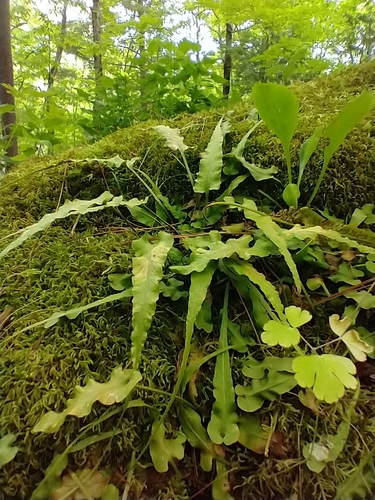
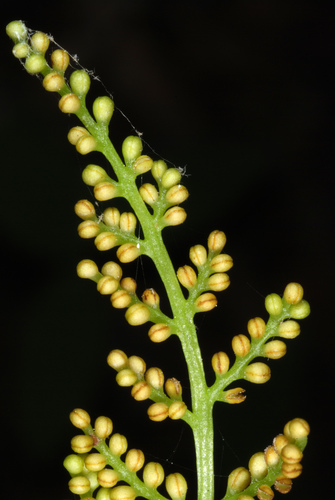
Ostrich Fern
Snap a frond and Snappit suggests which fern it is, from woodland natives to leafy houseplants. Then explore it in the field guide with your kids.

Identify and collect plants and mushrooms with your phone.


Drag a photo here, or choose one below.
JPG, PNG or WebP · Up to 10 MB

Show a whole frond and the base of the plant. If the underside is already showing, include its spore pattern without picking or damaging the frond.


Compare the suggested name with what you see in your photo. Then open its field-guide entry for fun facts and look-alikes to rule out.

Browse the field guide here, or save your finds as collectible cards in the Snappit app. Build collections and learn something new together.
From the Snappit field guide: lacy woodland ferns, curly fiddleheads and the houseplants that dinosaurs would recognize. Open a card to look closer.
Some ferns have lacy, finely divided fronds; others have broad, simple blades. Show a complete frond, its stalk and the way it grows from the plant. Spore clusters on the underside help when they're visible, but a photo without them doesn't rule out a fern.

Start with the frond, a fern's leaf. Is it one undivided blade, deeply lobed, or cut into many small leaflets? The overall outline matters too: triangular, narrow, arching, upright or nest-like. This first look often rules out whole groups before you check smaller details.

Look at the stalk below the leafy part and at how the plant grows. Some ferns rise in a tight clump from a central crown, while others spread along the ground or spill over a pot edge. A dark shiny stalk, a pale green one or a scaly one can all help narrow the match.

If the underside shows clearly, look for sori, the clusters that hold spore cases. They can be dots, lines or patches arranged in a regular pattern, and their position is a useful clue. Irregular stains, torn tissue or random brown marks aren't sori.

A young frond can look surprisingly different from a mature one. New growth usually comes up tightly coiled, called a fiddlehead or crozier, then unrolls and flattens. Compare the newest fronds with older ones so you don't judge the whole plant from an in-between stage.
Compare real field-guide examples: Ostrich Fern · Lady Fern · American Royal Fern

Not every feathery plant sold with “fern” in its name is a true fern. Asparagus fern is the classic example: a flowering plant with wiry stems and tiny leaf-like branchlets. Flowers or berries rule out a true fern, but a feathery outline alone doesn't prove one.

Sori follow a consistent pattern, often lining up along veins or repeating neatly across the underside of a frond. Damage is messier: scattered blotches, rubbed patches, browned edges or marks that break up the leaf surface unevenly. Pattern tells you more than color.

A fern doesn't have to be lacy. Some, like bird's-nest and hart's-tongue ferns, have simple, strap-like fronds, while others are divided many times over. Compare how the blade attaches, whether there's a central midrib and the plant's overall growth form, not just how “ferny” it looks.

For a fern in the woods, notice whether the fronds come up one by one along a creeping stem or rise together from a single crown in a vase-shaped clump. Include the base if you can. Woodland ferns that look alike from the tip often separate by the stalk, the spacing between fronds, or whether fertile and sterile fronds look the same.
Season changes the picture too. Spring fronds are softer, paler and still unrolling, while summer fronds show their full shape. If the underside is visible, sori add a strong clue. Afterward, it's worth checking a regional field guide, since the ferns you're likely to find vary a lot by area.

Houseplant ferns are usually recognized first by their overall habit: a fountain of arching fronds, a nest of broad undivided blades, or a stiff upright rosette. Potted plants may also grow small or misshapen fronds from dry air, trimming or a recent move, so don't let one odd frond outweigh the plant's general shape.
Cultivar names are a separate puzzle. Many nursery selections are bred for extra ruffles, crests or forked tips, and those traits overlap from one named plant to the next. A photo can place your fern close to a species or cultivar group, but a plant tag or receipt is still your best bet for the exact trade name.
A complete frond, including where the stalk meets the plant, shows far more useful structure than a close crop of a few leaflets.

Choose the one photo that shows the whole plant or its best frond sharply. Extra angles are still handy for comparing details yourself before you upload.

If a frond is naturally turned to show its underside, get it in the frame. Visible sori help, but a cramped close-up can hide the overall shape.
Often, yes, especially when the photo shows the whole plant or one full frond clearly. Common houseplant ferns, like broad-leaved bird's-nest types and arching, finely divided Boston-type ferns, are usually easy to tell apart. Use your clearest single photo.
Yes. Many ferns don't show obvious sori all the time. The plant may be too young, carrying only sterile fronds, growing indoors, or the underside just isn't in the photo. Missing spores don't turn a fern into a non-fern.
Check the pattern first. Sori repeat in an orderly way, as matching dots or lines across the underside. Random blotches or browned edges point to damage, and small brown bumps that scrape off easily and sit along the stems may be scale insects, a common houseplant pest.
That coil is normal new growth, called a fiddlehead or crozier. The frond unrolls gradually, so it looks tighter and less divided at first. When you're identifying the plant, compare curled fronds with older open ones to judge the mature shape.
Often, yes, if the photo shows the full frond, the stalk, and whether the plant grows in a clump or spreads along the ground. Many woodland ferns look alike, so clear structure beats a wide habitat shot. If the result stays broad, the photo probably lacks a key detail.
Sometimes, but cultivar names are much harder than the species or general type. Strongly crested or ruffled selections can stand out, while many named cultivars differ only subtly. A nursery tag, receipt or the seller's listing will usually tell you more than the photo.
True ferns never make flowers, berries or seeds. Asparagus fern, despite its name, is a flowering plant with wiry stems and needle-like branchlets instead of true fronds. And not every real fern is lacy, so a feathery look alone isn't a reliable test.
Yes. Snappit is a free iPhone and Android app for kids exploring with a grown-up. Snap a fern, flower, tree or bug and it suggests a match with short, kid-friendly facts, then turns it into a collectible card with a rarity tier in your family's private collection. No ads, no chat, free IDs every day, and an optional subscription for unlimited snaps.
The Snappit appAges 4+ · No ads
Take what you learn here into Snappit and turn your next walk or day out into a shared adventure.
Save your discoveries as collectible cards in the app, with rarity tiers and themed collections to explore.
Short, friendly facts give young readers something to notice, ask about, and remember. The app is made for ages 4 and up, without ads.
Discover new collection themes, try the daily discovery, and earn badges as you keep exploring together.


Open a place guide to see its species checklist and plan what to look for on your next visit.

Aragon, ES
You might spot Brittle Bladderfern and Botrychium Lunaria.
View guide →

Tennessee, US
You might spot Purple-Stem Cliffbrake and Alabamensis Clade.
View guide →

British Columbia, CA
You might spot Western Sword Fern, Western Maidenhair Fern, and Lady Fern.
View guide →