



Divine Bogmoss
Upload a close photo to tell moss from liverwort or lichen, then check its shoots, cushions and tiny capsules. Explore more in Snappit's kid-friendly field guide.

Identify and collect plants and mushrooms with your phone.


Drag a photo here, or choose one below.
JPG, PNG or WebP · Up to 10 MB

Take a close, well-lit photo that shows texture, plus enough of the surroundings to show whether it's growing on soil, rock or bark.
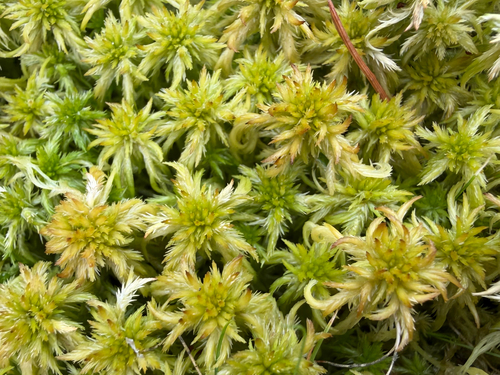
Compare the suggested name with what you see in your photo. Then open its field-guide entry for fun facts and look-alikes to rule out.

Browse the field guide here, or save your finds as collectible cards in the Snappit app. Build collections and learn something new together.
Real moss cards from the Snappit field guide, from velvety cushions to flat green liverworts, with fun facts about these tiny plants. Tap one to look closer.
A green patch on soil or bark could be moss, liverwort or lichen. Get close enough to see whether it's made of tiny leafy shoots, a flat ribbon or a crust on the surface. Those structures usually tell you the broad group, even when naming the species takes a microscope.

Start with the overall shape. Many mosses form rounded cushions, loose tufts or creeping mats made of countless tiny shoots. A compact dome on soil or a velvety carpet on stone narrows the field quickly, even before you look at single leaves or spore structures.

Moss usually shows many small leafy shoots, each like a miniature stem with leaves. Some liverworts instead grow as a flat thallus, a ribbonlike or lobed green body with no obvious little leaves. That one difference often explains why a patch looks smooth rather than fuzzy.

Thin stalks topped with capsules are spore-bearing structures, and they help a lot. In many mosses the capsules rise above the green patch like tiny pins and last for weeks. Their presence, number and shape can support a group ID even when leaf details are too small to see.

Notice whether the patch grows on soil, bark, brick, concrete, rotting wood or potting mix, and whether it looks soaked or dry. Mosses and liverworts change posture and color with moisture. These clues don't prove a species, but they help sort likely growth forms and look-alikes.
Compare real field-guide examples: Divine Bogmoss · Greater Peatmoss · Red-stemmed Feather Moss

Leafy liverworts can look like delicate moss, especially in damp shade. Look for a flatter, pressed pattern, often with leaves in two neat rows that make the shoot look two-dimensional. Most mosses look more tufted, with leaves all around the stem giving a fuller, feathery texture.

Lichens are partnerships between a fungus and algae or cyanobacteria, not mosses. In photos they look crusty, scaly, shrubby or like tiny cups, and seem stuck directly to rock or bark rather than built from tiny leafy shoots. Moss usually looks softer, greener and more plantlike.

Spanish moss is an air plant in the pineapple (bromeliad) family, not a moss. It hangs in gray-green strands with narrow, scaly leaves. Some true mosses and beard lichens also dangle from branches, so a hanging habit alone doesn't mean Spanish moss.

A true moss patch is usually built from many repeated shoots. Even without a magnifier, you may notice a fine shaggy, starry or feathery texture. Some species make tight cushions like green pincushions, while others spread as creeping mats that look combed, tangled or layered over the surface.
Liverworts break that pattern. A thallose liverwort often looks like a smooth green sheet or branching ribbon pressed onto soil, stone or potting mix. Leafy liverworts are trickier, but they still tend to look flatter and more delicate than most mosses. If the patch reads as one flat body instead of countless tiny tufts, a liverwort is more likely.

Where it grows matters, because different groups handle different surfaces. A lawn patch often forms low mats among grass blades, while a wall patch hugs mortar, brick or concrete. In terrariums, damp potting mix suits both mosses and liverworts, so growth form tells you more than the container does.
Moisture changes the look fast. Wet moss opens and spreads, looking brighter and fluffier; dry, the same patch can shrink, curl or turn dull. That shift is a useful clue, not a species rule. When you compare candidates, note whether the photo was taken after rain, misting or a dry spell.
Take one close, sharp photo that shows the growth form and a little of the surface underneath. If you shoot several, upload the clearest one.

Side light or gently angled light reveals tiny stalked capsules and shows whether the patch is fuzzy, leafy or smooth. Avoid flash glare on wet surfaces.

If the plant changes after watering or rain, compare the two looks, then upload the photo that shows the structure best.
Not by itself. Lawn moss usually points to shade, compacted soil, thin grass or lingering damp, but it doesn't harm the lawn directly. To identify it, photograph a close patch among the grass. Low, matted moss is common in lawns; a flat, ribbonlike growth may be a liverwort.
It usually means moisture lingers there. Moss grabs onto rough spots such as mortar joints, shaded brick or old concrete. A photo can help tell moss from lichen: lichens look crusty or scaly, while moss looks velvety or tufted.
It might be moss or liverwort, since both love a terrarium's humidity. Look closely at the surface. Lots of tiny leafy shoots forming a cushion or mat means moss. A flat, smooth sheet or little branching ribbons points to a liverwort.
It might be, but flat green patches are the classic place to mix up moss and thallose liverwort. Moss resolves into many small shoots; a thallose liverwort looks like one pressed green body, often lobed or forked. A sharp close-up is the quickest way to tell.
Sometimes, especially when the moss has a distinctive look or visible capsules. Many tiny mosses, though, can only be named from leaf shape or cell details under a microscope, so a result like "moss" or "liverwort" may be the most reliable answer from one photo.
Moss leaves move with moisture. Wet moss spreads open and looks greener, softer and fuller; dry moss curls inward and can look darker or crisp. It's the same plant, so treat the change as a clue, not a sign of a different species.
Yes. Snappit is a free iPhone and Android app for kids exploring with a grown-up. Snap a moss, fern, flower or bug and it suggests a match with short, kid-friendly facts, then turns it into a collectible card with a rarity tier in your family's private collection. No ads, no chat, free IDs every day, and an optional subscription for unlimited snaps.
Each identification uses one JPG, PNG or WebP image up to 10MB. There's no field for location or notes, so pick your single clearest photo. Use any extra views for your own comparison before uploading.
The Snappit appAges 4+ · No ads
Take what you learn here into Snappit and turn your next walk or day out into a shared adventure.
Save your discoveries as collectible cards in the app, with rarity tiers and themed collections to explore.
Short, friendly facts give young readers something to notice, ask about, and remember. The app is made for ages 4 and up, without ads.
Discover new collection themes, try the daily discovery, and earn badges as you keep exploring together.


Open a place guide to see its species checklist and plan what to look for on your next visit.

British Columbia, CA
You might spot Oregon Beaked Moss, Waved Silk-Moss, and Stairstep Moss.
View guide →

British Columbia, CA
You might spot Menzies' Tree Moss and Stairstep Moss.
View guide →
British Columbia, CA
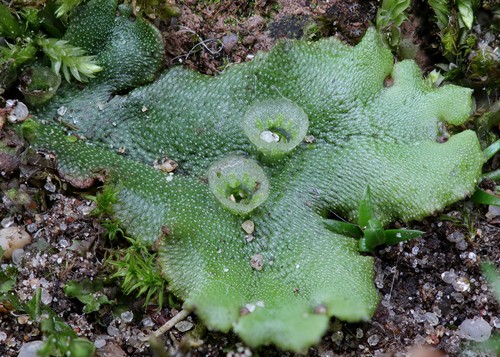
You might spot Marchantia and Leafy and Simple Thalloid Liverworts.
View guide →