Snappit logo
Snappit
Get App
Cabrera Archipelago National Park photo
National ParkSpain, Spain

Cabrera Archipelago National Park

Cabrera begins before you step ashore.

About

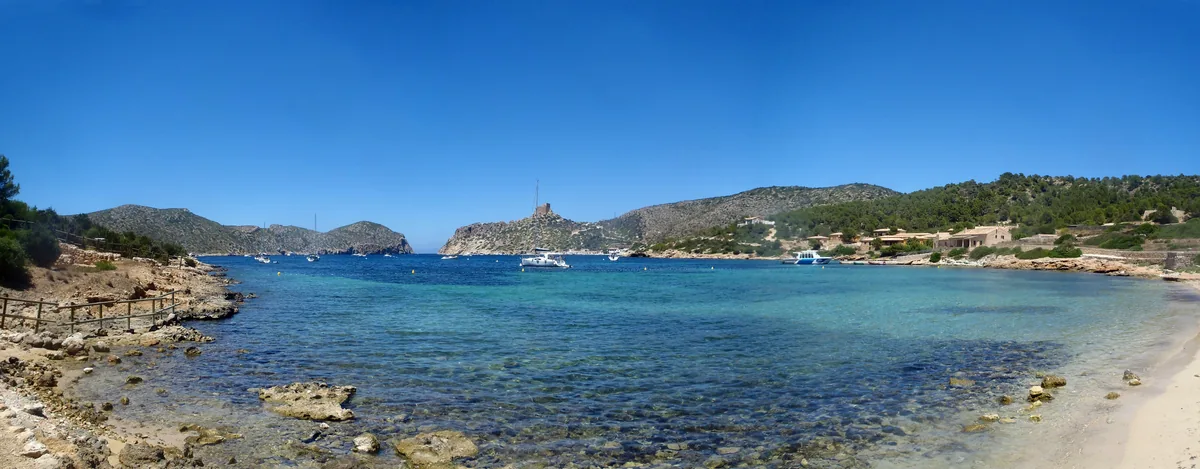
Cabrera begins before you step ashore. From the boat, limestone headlands and small islands give way to the broad bay of Cabrera Gran, with a castle above its entrance. On land, the pleasures are close at hand: follow the harbour shore, look into the island’s layered past at Es Celler, or watch the changing colour of the water from an authorised bathing area.

This is a maritime as well as a terrestrial national park. Its protected waters extend far beyond the visitor harbour, while the surrounding islets shelter wildlife away from public access. The suggested day here stays around the harbour of Cabrera Gran. Colònia de Sant Jordi, the departure town on Mallorca, is outside the park. Resist the temptation to turn a short landing into a race around the island; your return boat, the heat and the sea conditions should set the pace. Planning to visit? Download the Snappit app to identify the wildlife you spot in real-time.

Cabrera’s sheltered waters have drawn sailors since antiquity. The castle was built in the fourteenth century as part of the defence against pirate raids. A much darker chapter followed when French prisoners were confined on the island from 1809 to 1814; the memorial on the history walk recalls their suffering. Later farming and wine-growing left fields, houses and the cellar now used as a museum. Military ownership followed in 1916. National-park protection began in 1991, and a major marine expansion in 2019 reinforced the importance of the waters beyond the islands.

What to do here

Choose a boat excursion with a landing and enough time ashore, then start at the harbour information office. A good first visit pairs a shore walk towards sa Platgeta with the archaeological remains or Es Celler museum. Add a swim only in the permitted bathing areas and only when conditions suit your ability. Choose one longer walk rather than trying to fit in every trail.

Seasonal info

Sailings and the Blue Cave stop depend on sea and weather conditions. Off-season departures need checking directly with the operator. On 16 October 2026, the park listed the castle building as closed for safety and the Rosa dels Vents refuge as closed until further notice. The lighthouse of l’Enciola is accessible only on park-guided visits; the self-guided route stops at Coll Roig.

Accessibility

Plan the boat and the island separately. Before paying, ask the operator about boarding steps or ramps, wheelchair dimensions, transfers and onboard toilets. Ashore, paths are unpaved and the castle approach is steep. Ask the park which harbour paths and toilet facilities suit your needs; an easy walk rating does not establish step-free access.

Don't miss

1

The harbour landscape

rocky slopes, low scrub and water shifting from pale turquoise to deep blue.

2

Es Celler and the history walk, linking an old wine cellar, former farmland and the French prisoners’ memorial.

3

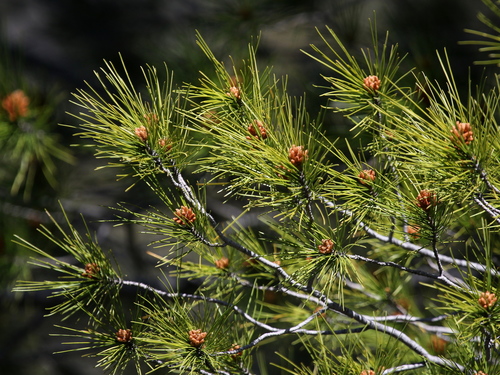
The pine-and-juniper path towards sa Platgeta, when open, for woodland shade and views over protected bays.

4

A mask-and-snorkel view of the marine habitat in designated bathing areas, if the sea is suitable.

Clear blue harbour water bordered by rocky slopes, low vegetation and shore buildings.

Cabrera harbour and its coastal landscape in July 2013.

Cabrera - Port i Castell - panoramio.jpg — Antoni Pons Oliver / Wikimedia Commons / CC BY-SA 3.0 · Creative Commons

Walks and routes

Harbour to sa Platgeta through the pines

An alternative to the main shore track, passing through pine and juniper woodland and opening onto views of Cala Santa Maria and Cala Ganduf. Enjoy those bays from the signed path; they are protected areas, not bathing detours.

The path includes an ascent and an unpaved woodland section. It is a walking option, not a verified wheelchair route.


Harbour to sa Platgeta through the pines

Un paseo por la historia: fields, memorial and Es Celler

Choose this for the island’s human story: former farmland, the French prisoners’ memorial, the old wine cellar and the botanical garden. The museum gives useful context to the landscape outside.

The park rates the walk as easy, but it follows island paths. Ask about museum access separately if steps or uneven ground are a concern.

Un paseo por la historia: fields, memorial and Es Celler

Es Castell: the outside approach

The short, steep approach rises above the harbour. Choose it for the outlook only if staff confirm the approach is open; there is no castle-interior visit while the safety closure remains.

A strong uphill section makes this a poor choice for anyone who needs a level route.

Es Castell: the outside approach

A manageable first day

Keep the harbour as your base. Start with the shorter shore-side plan and add one longer walk only if your party and return time allow it.

One booked boat excursion, with the land plan adjusted to your confirmed shore time.

Before boarding

Check the sea-dependent departure with your operator, bring supplies and arrive at the stated meeting time. Excursions a Cabrera recommends at least 30 minutes before departure.

On arrival

Note the return boarding deadline and visit the information office. Ask which paths are open and when the museum is available.

Choose your pace

Follow the public shore track towards sa Platgeta and take time over the interpretation panels. If you want a longer walk, choose either the history itinerary or the pine path. Avoid stacking every route into one visit.

Leave a relaxed finish

If conditions are suitable, enjoy the authorised bathing area; otherwise sit by the shore or watch the birds. Head back to the harbour with spare time rather than making the return boat a sprint.

Things to try

Look for the island’s earlier lives

Around Pla de ses Figueres, interpretation panels explain fish-salting, purple-dye production and later occupation. Stay outside the protective fences. This is an easy subject to explore slowly rather than simply passing on the way to the beach.

Swim or snorkel in an authorised area

Ask staff about conditions and the marked bathing areas at sa Platgeta or s’Espalmador. Keep clear of the harbour’s boat lanes, do not touch or collect marine life, and avoid standing on seagrass. Scuba diving has a separate permit process.

Watch the sea and sky

Bring binoculars for seabirds and passing raptors, especially during spring or autumn migration. A quiet pause can be more rewarding than adding another kilometre. Keep wildlife watching to public viewpoints and the boat.

Join a park-guided activity

Park-guided walks are free but need a place reserved. Ask about the day’s programme and whether it fits your return sailing. Do not set off independently for places that require a guide.

Cabrera visitor centre, on Mallorca

In Colònia de Sant Jordi, the visitor centre introduces marine habitats through aquariums and interpretation. Allow about 45 minutes. Its published hours are 10:00–18:00 from June to September and 10:00–17:00 in the other open months; it closes in December and January. Listed admission is €8 for adults and €4 for children aged 3–12, with a 50% resident discount. Check current hours and prices before making the journey. The aquariums are captive displays outside the park, not wild sightings on Cabrera.

Cabrera visitor centre, on Mallorca

Wildlife and habitats

The underwater meadow

This seagrass is part of the living habitat beneath Cabrera’s water. From permitted swimming areas, look without touching or standing on it; distant dark patches alone are not enough for a firm identification.

The woodland canopy

On the pine path, when open, notice how the trees change the feel of the walk from exposed scrub to woodland. The park links the spread of this pine woodland to the end of older farming and grazing uses.

The Mediterranean scrub

Look for mastic among the shrubs along the open public paths. It is one of the plants that make up the island’s garriga. Use a field guide or a clear photograph for identification, and leave leaves and berries on the plant.

A possible bird overhead

Watch the sea and sky from the boat or public viewpoints. An osprey is a rewarding possibility, not a reason to leave the path or approach a cliff or nest.

A trace of cultivation

The figs near the former fields are reminders of people growing food here. Treat them as part of the island’s cultural landscape and leave fruit unpicked.

These are things to look for, not a checklist you must complete. Stay in permitted areas, give animals space and do not collect plants, shells or other natural material. The botanical garden and the Mallorca visitor-centre aquariums are interpreted displays; they do not establish a wild sighting.

Stories and discoveries

Most of the park is underwater

The 2019 expansion made the surrounding sea even more central to Cabrera’s protection. A harbour day shows only a small part of an area that also contains deep and offshore habitats.

A museum with an agricultural past

Es Celler was built for a wine-growing venture and later used for livestock and storage. Its present museum helps connect the quiet-looking landscape with the work once needed to live here.

When to visit

Spring

A useful walking-and-birdwatching season. Confirm the sailing calendar and bring a layer for the crossing; the park’s guided programme commonly runs from Easter into autumn.

Summer

Choose a shorter walk, carry plenty of water and protect yourself from the sun. Let the beach or a shaded rest replace an extra climb.

Autumn and winter

Bird migration can add interest in autumn, but weather and boat availability matter more as the season changes. Excursions a Cabrera says it does not operate in December, January or February; check other dates and operators rather than assuming year-round service.

Getting there and practical advice

Harbour information office

Make this your first stop for current paths, activities, bathing guidance and the day’s museum arrangements.

Food, drinking water and toilets

There is a small cantina and public toilets at the harbour, with another toilet facility at the Cas Pagès jetty. Bring your own drinking water and food, take all rubbish back to Mallorca and carry some cash. Do not count on showers or a full restaurant meal.

Es Celler museum

The old cellar houses displays on Cabrera’s history, daily life and natural environment. Opening varies; check at the harbour rather than assuming it will be open when you reach it.

Rosa dels Vents refuge

Closed until further notice, according to the park’s notice checked on 16 October 2026. Plan a return day trip unless the park explicitly confirms a change.

Book the right boat trip

Use the park’s current authorised-operator list. Excursions a Cabrera, Cabrera Sea Fun / Mar Cabrera and Aventura IB are among the listed 2026 operators departing from Colònia de Sant Jordi. Compare landing time and itinerary, not only total excursion length. The Classic Tour example was advertised at €58 per adult when checked on 16 October 2026; confirm your date’s fare, inclusions and cancellation terms before buying.

Book the right boat trip

Passenger reservations and private boats

For a passenger excursion, confirm the park-access arrangements with the operator; the official reservation portal also has a collective-transport access process. For your own or a rented boat, obtain the navigation permission first and follow current buoy and landing instructions. Night mooring and scuba diving require their own authorisations. Never anchor freely or land on an islet or an unapproved stretch of shore.

Passenger reservations and private boats

Build in room for a weather change

Sea conditions can change departure times, the itinerary and the Blue Cave stop. Keep a Mallorca-based alternative and read the terms of your chosen ticket. A sunny forecast on land does not by itself establish a comfortable or safe crossing.

Build in room for a weather change

Ask about the whole journey

Describe your practical boarding needs to the boat operator and ask what assistance is available at both ports. Then check suitable island paths, toilet access and museum access with the park. A mobility discount or a short distance is not a promise that the journey is step-free.

For children and slower walkers

Keep the plan flexible: the shore-side visit can be enough. Bring snacks and sun protection, supervise children beside the water and save energy for the walk back. Skip the steep castle approach if it would turn the afternoon into a struggle.

Sources and useful links

Wildlife you might spot

40

Each card links to a full Explore page with photos, traits, and fun facts.

Snap map for this place

Start with the big picture, then zoom in to explore individual wildlife observations around this place.

Loading map…

Good to know before you go

Book a return excursion with an authorised operator. Confirm the exact departure point, shore time and return boarding deadline.

Ask whether your booking includes the required park-access arrangements. Private boats need separate navigation permission and must follow the park’s buoy and landing rules.

Pack drinking water, food, a hat, sunscreen, walking shoes and a bag for every piece of rubbish. Do not rely on the small cantina for a full meal.

Check the information office before leaving the harbour. Follow current barriers, guided-access restrictions and the crew’s instructions.

Keep swimming within authorised areas and away from boat traffic. The Blue Cave is a weather-dependent boat stop, not a guaranteed part of the day.

Stay on public paths, leave plants and archaeological objects untouched, and observe animals quietly without feeding them.

Camping, recreational fishing, fires and smoking are prohibited. Do not bring a pet ashore or fly a drone.

Leave time to walk back to the pier. If the operator cancels because of the sea, keep your Cabrera day on Mallorca instead.

Frequently asked questions

Yes. Book an excursion with one of the operators listed by the park. Colònia de Sant Jordi is the practical departure point for this guide. Choose a trip that actually lands on Cabrera and check how long you will have ashore.
The park has an access-reservation system for collective transport. Ask your authorised operator which access arrangements it handles and whether you must complete anything separately. Do this before travel; a private-boat navigation permit is a different process.
The castle building is currently closed for safety. Ask staff whether the outside approach is open. Access to the lighthouse of l’Enciola is restricted to park-guided visits; independent walkers must stop at the permitted endpoint at Coll Roig.
Do not plan an overnight island stay around the refuge: the park currently says Rosa dels Vents is closed until further notice. Camping is prohibited. Sleeping on a private boat requires the appropriate navigation permission and a night-buoy reservation.
Wildlife is part of the attraction, but sightings depend on season, weather and chance. Enjoy what appears from permitted paths and the boat without approaching nests or asking the crew to pursue animals.
Follow the operator’s cancellation or change instructions. On Mallorca, the Cabrera visitor centre in Colònia de Sant Jordi is an indoor alternative when open; it is outside the national park and has its own admission charge.

Recent snaps at this place

Recent snaps will appear here as new observations are added.

View all ›

Take the discovery with you

Exploring Cabrera Archipelago National Park?

Identify the wildlife you spot, learn as you go, and keep a collection of the adventure.

  1. 1Spot it
  2. 2Snap it
  3. 3Keep the discovery