Eurasian Magpie
Pica pica
The Eurasian Magpie is a playful bird with beautiful black and white feathers. They are known for their cleverness and love to collect shiny objects!
Habitat: Open fields, forests, and urban areas
The Eurasian Magpie is a striking bird with glossy black and white plumage. Its long tail and wing feathers shimmer with iridescent blues, greens, and purples in the sunlight. It's easily identified by its contrasting colours and distinct silhouette.
Category
BirdsRarity
Common
Danger
1/5 · Very low
Snaps
26
Magpies have funeral-like gatherings for deceased magpies.
Magpies will build 'dummy' nests to confuse predators!
They are one of the smartest animals on the planet!
They recognize individual human faces, even after long periods.
Eurasian Magpie builds large, domed nests with a thorny roof, which helps protect their eggs and chicks from predators.
Eurasian Magpie has shown self-recognition in mirror tests, which suggests advanced cognitive abilities and self-awareness.
Magpies eat almost anything, from insects and seeds to eggs and small animals!
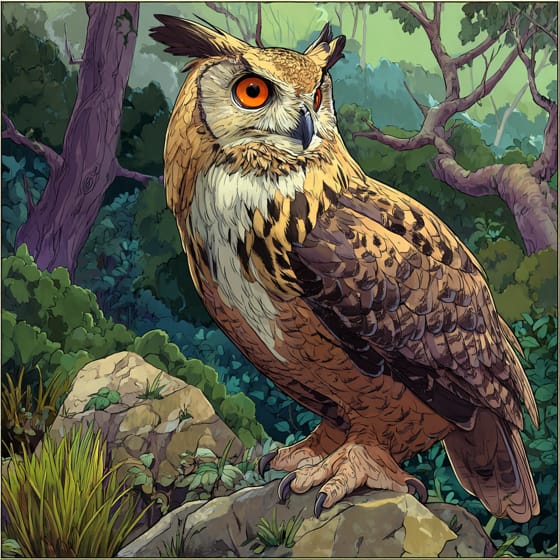
Bubo bubo
Chicks and eggs are often prey for owls.
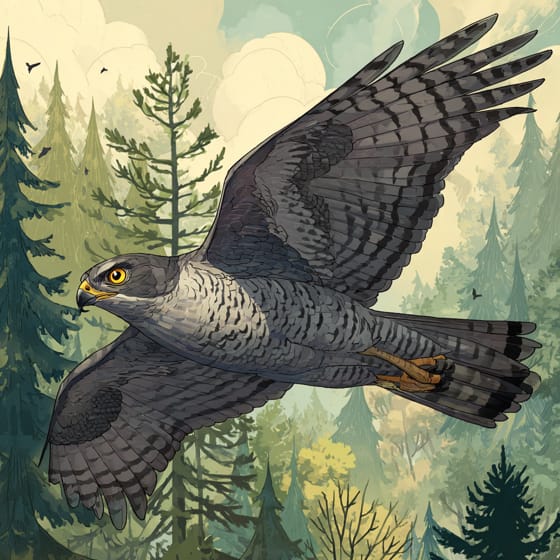
Accipiter gentilis
Adult magpies can be hunted by this powerful raptor.
Apis mellifera
Magpies forage for these insects in gardens.
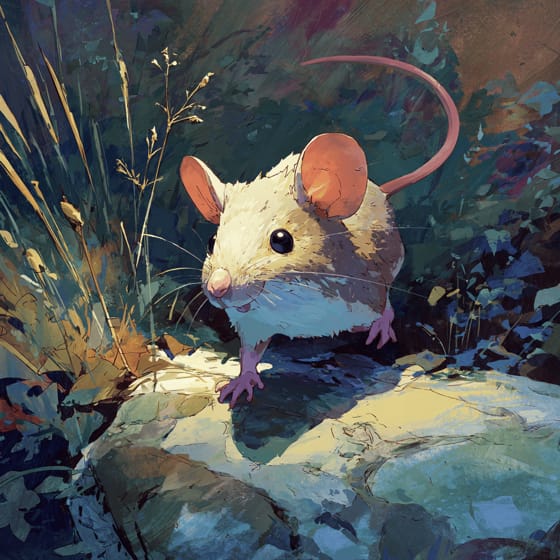
Mus musculus
They will hunt small rodents in fields.
Quercus robur
Magpies often build their large nests in robust oak trees.
Wildlife encompasses all undomesticated animal and plant life existing in their natural habitats.
Feathered describes animals, primarily birds, possessing a covering of feathers.
Social animals live in organized groups, cooperating for survival benefits such as foraging, defense, and raising offspring.
This trait identifies organisms whose diet includes both plant and animal matter.

This trait describes organisms that manipulate external objects to achieve a specific goal.

This trait characterizes organisms with an exceptionally long lifespan compared to others of their kind.

This habitat trait indicates species that can coexist with humans in urban and suburban environments, utilizing man-made structures and green spaces.
Danger
1/5 · Very low
Magpies are generally safe to watch, but it's best to observe them from a distance.
44-51 cm
52-62 cm
0.18-0.25 kg
3-15 years
58 km/h
Magpies eat almost anything, from insects and seeds to eggs and small animals!
Open fields, forests, and urban areas
Foraging
Zoom in to split clusters and explore where this object has been snapped.

England, UK
You might spot Blue Shark, Great White Shark, and Tiger Shark.
View guide →

South Holland, NL
You might spot Grey Heron, Eurasian Jackdaw, and Common Moorhen.
View guide →
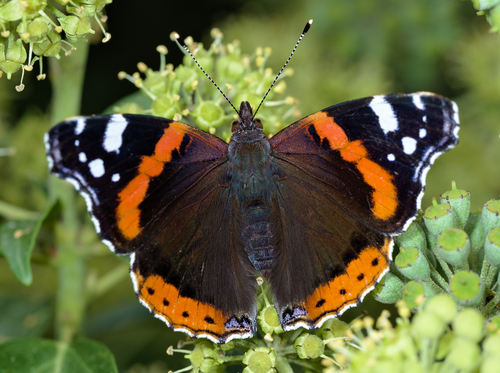
England, UK
You might spot Red Admiral, Large Red Damselfly, and Blue Emperor.
View guide →

North Rhine-Westphalia, DE
You might spot Giant Otter, Giant Anteater, and Tamanduas.
View guide →

Masovian Voivodeship, PL
You might spot Giraffes, Eurasian Otter, and Polar Bear.
View guide →

England, UK
You might spot Cinnabar Moth, Common Moorhen, and Marmalade Hover Fly.
View guide →