




Killdeer
Charadrius vociferus
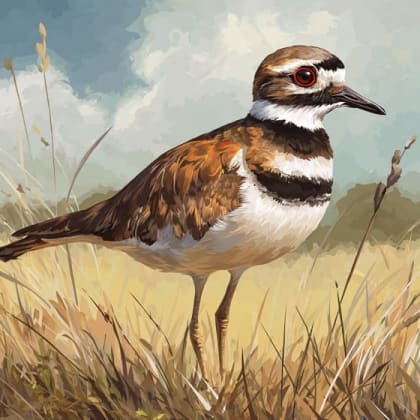
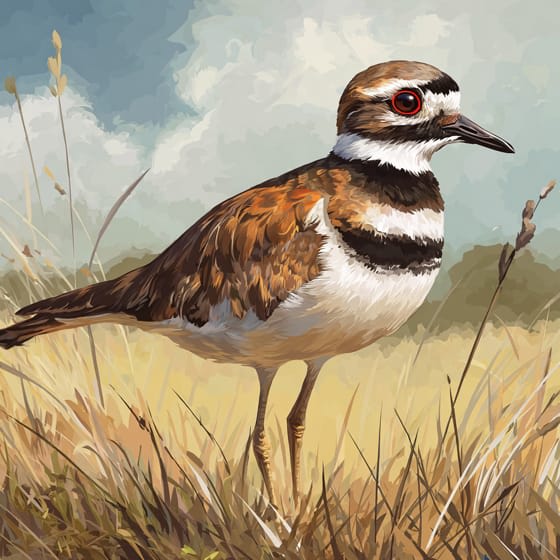
The Killdeer is a fun bird with a loud call! They have long legs and a beautiful brown and white body. You can often find them near water or open fields.
Habitat: Open fields, shores, and gravel areas.
The Killdeer is a medium-sized shorebird with a brown back, white belly, and two distinct black bands across its chest. Its striking features include large, dark eyes with a red eye-ring, a short bill, and rufous-orange on its rump visible in flight.
Category
BirdsRarity
Common
Danger
1/5 · Very low
Snaps
92
Both parents take turns sitting on the nest, sharing incubation duties!
Killdeer eggs are pointed at one end, so they roll in a tight circle!
They often "dance" on the ground to stir up worms for a tasty snack!
They sometimes nest on rooftops, protecting eggs from ground predators!
Killdeer can pretend to have a broken wing because it distracts predators away from their hidden nests and chicks.
Killdeer has speckled eggs and downy chicks that blend perfectly with gravel and dirt, helping them hide from hungry eyes.
Killdeer can make loud, distinctive 'kill-deer!' calls that warn other birds and animals of approaching danger.
Killdeer primarily feast on insects and other small invertebrates found on the ground.
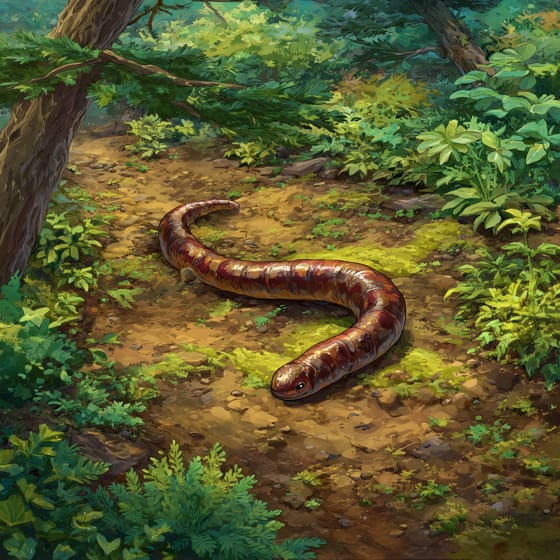
Lumbricus terrestris
An important food source often found by foot-paddling.
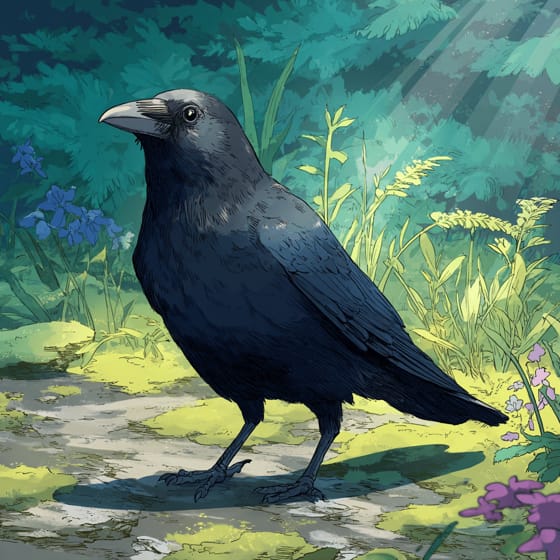
Corvus brachyrhynchos
Crows often prey on Killdeer eggs and chicks.
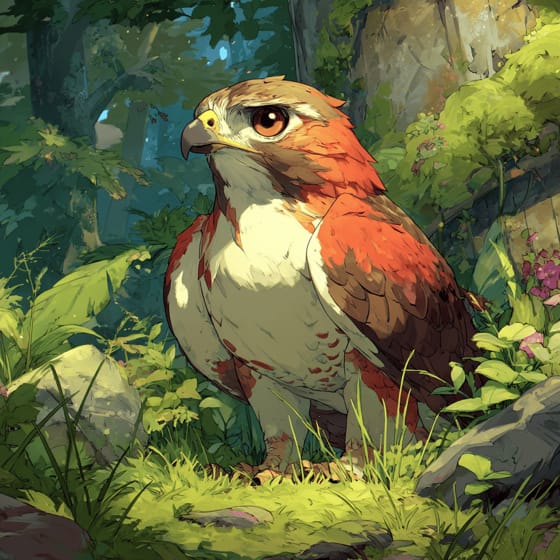
Buteo jamaicensis
Hawks are common aerial predators of adult Killdeer.
Formica fusca
Consumes a variety of ants and other ground-dwelling insects.
Wildlife encompasses all undomesticated animal and plant life existing in their natural habitats.
Feathered describes animals, primarily birds, possessing a covering of feathers.
Social animals live in organized groups, cooperating for survival benefits such as foraging, defense, and raising offspring.
This trait identifies organisms whose diet includes both plant and animal matter.

Camouflaged describes organisms that possess coloring or patterns that allow them to blend into their environment.

Grassland habitats are terrestrial biomes dominated by grasses and herbaceous plants, supporting a variety of grazing animals.

Diurnal animals are primarily active during daylight hours, typically resting or sleeping at night.

This trait identifies organisms that exhibit exceptional swiftness in movement for hunting, escape, or travel.
Danger
1/5 · Very low
Always watch birds from a distance and never try to touch or catch them.
20-28 cm
46-48 cm
0.075-0.12 kg
3-10 years
70 km/h
Killdeer primarily feast on insects and other small invertebrates found on the ground.
Open fields, shores, and gravel areas.
Foraging
Zoom in to split clusters and explore where this object has been snapped.
.JPG)
Massachusetts, US
You might spot Virginia Bluebells and Great Golden Digger Wasp.
View guide →
.jpg)
Maryland, US
You might spot White-Tailed Deer and Japanese Knotweed.
View guide →

Illinois, US
You might spot Red Fox, Equus Africanus Asinus, and Western Barn Owl.
View guide →
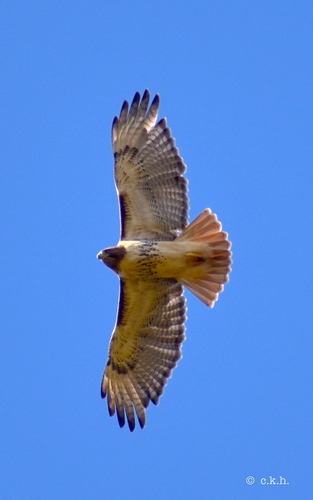
New Hampshire, US
You might spot Red-Tailed Hawk, Northern Cardinal, and Chipping Sparrow.
View guide →

Virginia, US
You might spot Brown Pelican and Double-Crested Cormorant.
View guide →
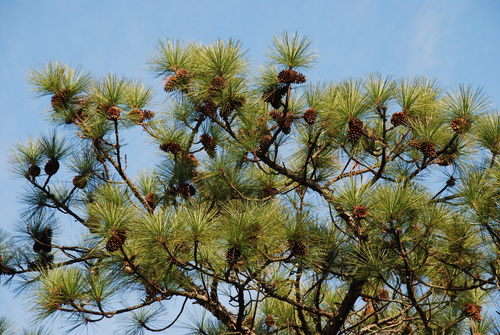
Virginia, US
You might spot Pines, Common Milkweed, and Sweetbay Magnolia.
View guide →