





Pied Wagtail
Motacilla alba
The Pied Wagtail is a cheerful little bird with a black and white body. It loves to hop around and wag its tail, especially near water.
Habitat: Wetlands and urban areas
The Pied Wagtail has striking black and white plumage with grey on its back. It is easily recognized by its long, constantly wagging tail, which is black with white outer feathers. Its distinctive pattern makes it stand out from most other small garden birds.
Category
BirdsRarity
Common
Danger
1/5 · Very low
Snaps
9
Some Pied Wagtails travel thousands of miles to warmer places for winter.
Their constant tail-wagging is how they got their unique name!
They often sleep together in huge groups, sometimes hundreds, in cold weather.
You might see them chasing insects disturbed by moving cars or tractors!
Pied Wagtail can constantly wag its long tail because it helps them balance while walking and flush out hidden insects.
Pied Wagtail has incredibly agile flight that helps them dart and weave in the air to catch flying insects.
Pied Wagtail can thrive in many places because they easily adapt their diet and nesting sites to human environments.
Pied Wagtails are expert insect hunters, catching flies, beetles, and other small creepy crawlies!
Accipiter nisus
A common raptor that preys on small birds.
Felis catus
Opportunistic predator of garden birds.
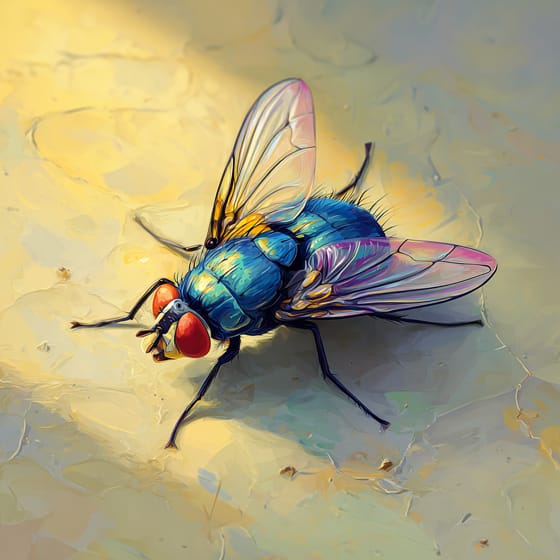
Musca domestica
A common insect often caught in flight.
Pieris rapae
Catches the caterpillars of this common garden pest.
Wildlife encompasses all undomesticated animal and plant life existing in their natural habitats.
Feathered describes animals, primarily birds, possessing a covering of feathers.
Singing animals produce complex vocalizations, often for purposes of attracting mates, defending territory, or communicating within their species.
This trait identifies organisms whose diet primarily consists of insects and other small invertebrates.

Diurnal animals are primarily active during daylight hours, typically resting or sleeping at night.

This habitat trait indicates species that can coexist with humans in urban and suburban environments, utilizing man-made structures and green spaces.
Danger
1/5 · Very low
Always watch birds from a distance and do not try to touch or feed them.
The easiest way to identify Pied Wagtail is to use the Snappit nature identifier app.
16.5-19 cm
25-30 cm
0.017-0.025 kg
2-5 years
50 km/h
Pied Wagtails are expert insect hunters, catching flies, beetles, and other small creepy crawlies!
Wetlands and urban areas
Zoom in to split clusters and explore where this object has been snapped.
.jpg)
Municipal District of Cobh, IE
You might spot Ring-Tailed Lemur, Giraffes, and Cheetahs.
View guide →

England, UK
You might spot African Lion, Tiger, and Southern White Rhinoceros.
View guide →

Hainaut, BE
You might spot Giant Panda, Polar Bear, and Tiger.
View guide →

Andalusia, ES
You might spot Tiger, African Lion, and Delonix.
View guide →

Östergötland County, SE
You might spot Tiger, Gorilla, and Bottlenose Dolphin.
View guide →

Bremen, DE
You might spot Polar Bear, Humboldt Penguin, and Harbor Seal.
View guide →
Take the discovery with you
Snap it with Snappit to identify it, learn what makes it special, and add the discovery to your collection.





.jpg&width=800)









