




Cougar
Puma concolor
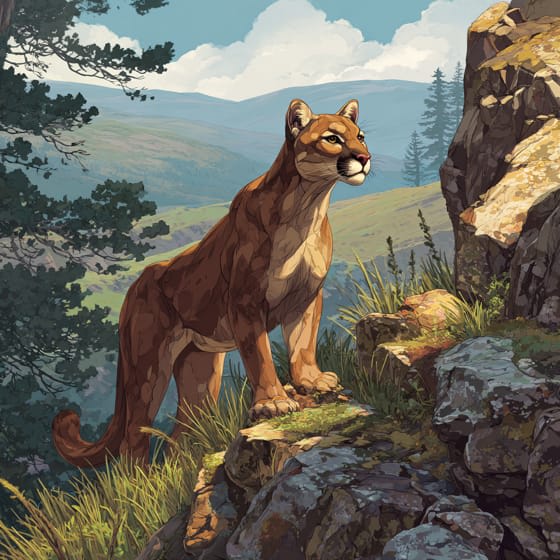
Cougars are big cats that live in the wild. They are known for their beautiful tan fur and long tails.
Habitat: Forests, mountains, and grasslands
The Cougar has a sleek, muscular body covered in a plain, tawny coat that ranges from yellowish-brown to reddish-brown, without spots or stripes. It possesses a relatively small, rounded head and a long, thick tail tipped with black. Its unpatterned fur distinguishes it from other big cats like leopards or jaguars.
Category
MammalsRarity
Common
Danger
4/5 · High
Snaps
Be the first to snap!
A cougar's roar is actually a purr, but they can make terrifying, loud screams!
Cougars are also called mountain lions, pumas, or catamounts, all for the same animal!
Their long, heavy tail acts like a counterbalance for amazing agility and balance!
They are the largest wild cat in North America that can still purr like a house cat!
Cougars can move silently through dense environments because of their padded paws, which helps them ambush unsuspecting prey.
Cougars have incredibly powerful hind legs and muscles that help them leap over 15 feet high and 40 feet horizontally.
Cougars have large eyes with many rods and a reflective layer that helps them see exceptionally well in low light conditions.
Cougars can quickly scale trees and rocky cliffs because of their strong claws and flexible bodies, which helps them escape danger.
Cougars are expert hunters who mostly eat meat, primarily deer and other large prey they catch.
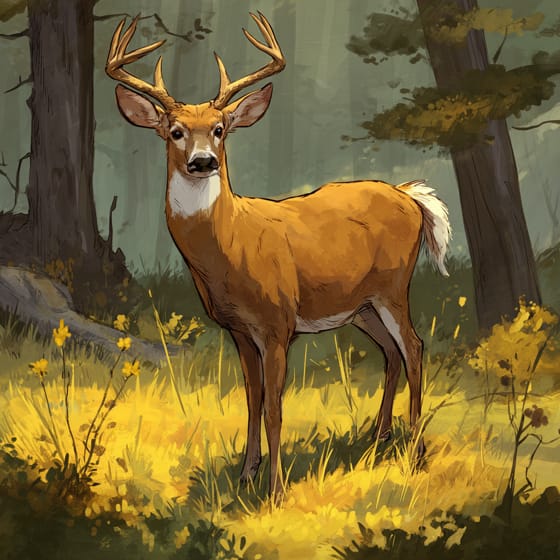
Odocoileus virginianus
Primary prey species, crucial for survival.
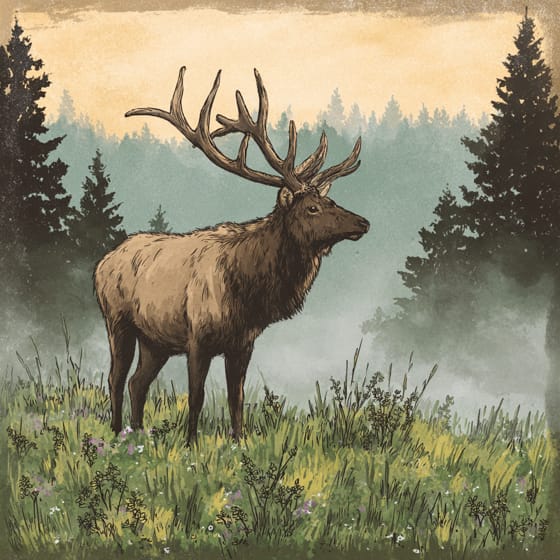
Cervus canadensis
Important prey, especially in western ranges.
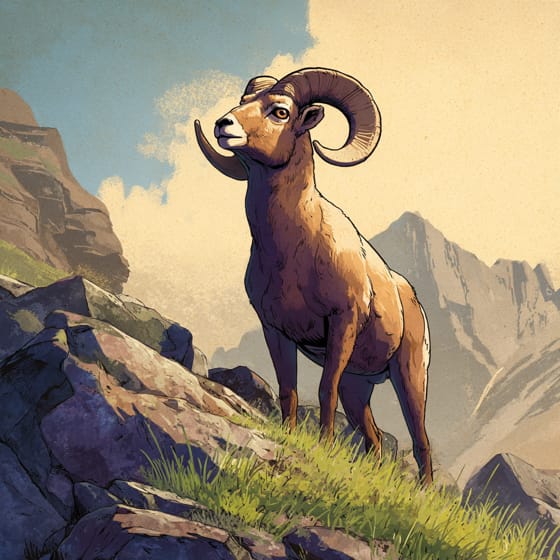
Ovis canadensis
Preys on sheep in mountainous habitats.
Ursus americanus
Occasionally scavenges cougar kills or competes for food.
Furry describes animals possessing a dense covering of soft hair or fur.
Solitary animals live alone for most of their lives, only interacting with others for mating or parental care.
Arboreal animals live primarily in trees, utilizing them for shelter, food, and protection from predators.
This habitat trait identifies species found in mountainous regions, characterized by high elevation, steep slopes, and varying climate zones.

An ambush predator hunts by patiently waiting and concealing itself, then launching a sudden attack when unsuspecting prey comes within range.

Forest habitats are terrestrial environments dominated by dense tree cover, supporting a high diversity of plant and animal life.

This trait identifies organisms whose diet consists entirely or primarily of animal tissue.

Nocturnal animals are primarily active during the nighttime hours, typically resting or sleeping during the day.
Danger
4/5 · High
Always admire cougars from a safe distance. They are wild animals and should be respected.
105-195 cm
29-100 kg
8-13 years
80 km/h
Cougars are expert hunters who mostly eat meat, primarily deer and other large prey they catch.
Forests, mountains, and grasslands
Ambush
1-6
Zoom in to split clusters and explore where this object has been snapped.
Recent snaps will appear here as new observations are added.

Tennessee, US
You might spot Komodo Dragon, Western Barn Owl, and Snow Leopard.
View guide →

Tennessee, US
You might spot Parachromis Managuensis, Giraffes, and Common Ostrich.
View guide →

New York, US
You might spot Cougar, Coyote, and American Bison.
View guide →

North Dakota, US
You might spot Red Fox, Gray Wolf, and Equus Africanus Asinus.
View guide →

Louisiana, US
You might spot African Lion, Giraffes, and Equus Africanus Asinus.
View guide →
North Carolina, US
You might spot African Lion, Giraffes, and Common Ostrich.
View guide →