





Aesculapian Snake
Zamenis longissimus
The Aesculapian Snake is a long, slender snake that is usually green or yellowish. It loves to climb trees and can often be found basking in the sun on warm rocks.
Habitat: Forests
The Aesculapian Snake has a slender, glossy body, typically olive-green, yellowish-brown, or greyish-brown. It often displays faint pale stripes or scattered white flecks, and its smooth scales give it a distinctive sheen. Its yellow-white chin and throat often stand out.
Category
ReptilesRarity
Common
Danger
1/5 · Very low
Snaps
Be the first to snap!
In ancient Greece, these docile snakes were kept in temples, symbolizing healing and renewal.
This snake is named after Asclepius, the Greek god of medicine, whose staff features two snakes!
Unlike many snakes, it can have tiny, almost invisible white spots scattered over its smooth scales.
Young Aesculapian Snakes often have a distinct dark collar that disappears as they grow older!
Aesculapian Snakes can climb trees and ruins with ease because of their strong, agile bodies that help them hunt and escape.
Aesculapian Snakes have powerful muscles that help them constrict prey, squeezing small animals until they can no longer breathe.
Aesculapian Snakes can regulate their body temperature by basking in the sun, which helps them stay active and digest food.
This snake is a carnivore that ambushes small, warm-blooded animals and birds.
Age differences: Young snakes primarily eat lizards and insects before switching to larger prey as adults.
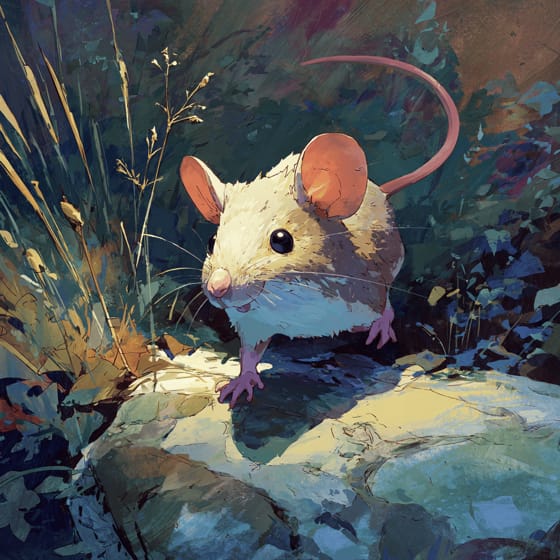
Mus musculus
A primary food source in its varied diet.
Apodemus sylvaticus
A common prey item in woodlands and fields.
%2C_Parc_de_Woluw%C3%A9%2C_Brussels_(13042792905).jpg&width=800)
Parus major
Preys on nests, consuming eggs and fledglings.
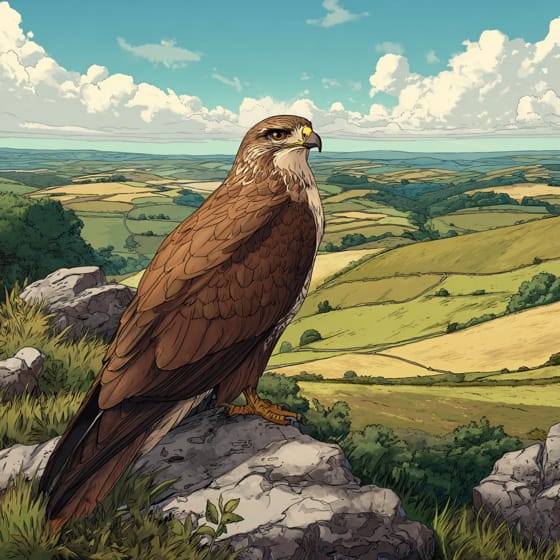
Buteo buteo
A potential aerial predator when basking in open areas.
Martes foina
A terrestrial predator that hunts snakes on the ground.
Solitary animals live alone for most of their lives, only interacting with others for mating or parental care.
Arboreal animals live primarily in trees, utilizing them for shelter, food, and protection from predators.
Camouflaged describes organisms that possess coloring or patterns that allow them to blend into their environment.
Colorful describes organisms or objects displaying a wide range of bright and distinct colors.

Forest habitats are terrestrial environments dominated by dense tree cover, supporting a high diversity of plant and animal life.

This trait identifies organisms whose diet consists entirely or primarily of animal tissue.

Diurnal animals are primarily active during daylight hours, typically resting or sleeping at night.

This trait identifies organisms that exhibit exceptional swiftness in movement for hunting, escape, or travel.
Danger
1/5 · Very low
If you see a snake, it's best to stay calm and walk away. Snakes are usually not dangerous.
The easiest way to identify Aesculapian Snake is to use the Snappit nature identifier app.
140-200 cm
0.5-2 kg
15-25 years
8 km/h
This snake is a carnivore that ambushes small, warm-blooded animals and birds.
2 km/h
Forests
Zoom in to split clusters and explore where this object has been snapped.
Recent snaps will appear here as new observations are added.
Take the discovery with you
Snap it with Snappit to identify it, learn what makes it special, and add the discovery to your collection.











