




alder buckthorn
Frangula alnus
Alder buckthorn is a small shrub that grows in wet places like riverbanks and marshes. It has shiny green leaves and produces small black berries that birds love to eat!
Habitat: Wetlands
The alder buckthorn is a deciduous shrub or small tree, featuring smooth, dark bark often speckled with light lenticels. Its oval, untoothed leaves are glossy green, turning a bright yellow in autumn. Tiny greenish-white flowers give way to berries that ripen from red to shiny black.
Category
PlantsRarity
Common
Danger
2/5 · Low
Snaps
9
Wow! Its bark was once dried and used as a key ingredient for making charcoal for gunpowder!
Wow! Some gardeners use it to attract beautiful brimstone butterflies to their yards!
Wow! The berries of this plant dramatically change color from green, to red, then shiny black!
Wow! The wood is incredibly tough and dense, prized for making durable charcoal!
Alder buckthorn has leaves that provide essential food for the caterpillars of the Brimstone butterfly, helping them grow.
Alder buckthorn bark and berries contain compounds that act as a laxative, deterring animals from eating too many.
Alder buckthorn can flower and fruit continuously over several months, offering a steady food source for pollinators and birds.
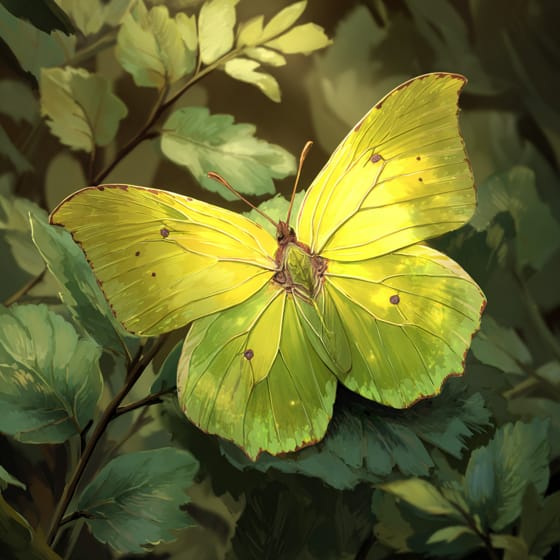
Gonepteryx rhamni
Caterpillars feed on its leaves.
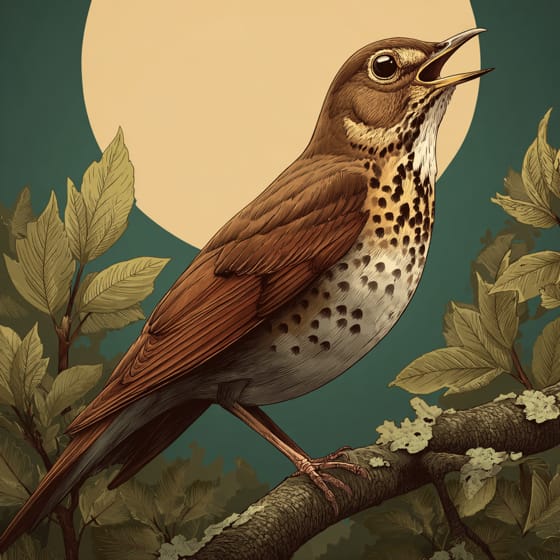
Turdus philomelos
Feeds on its ripe black berries.
Apis mellifera
Visits its small, nectar-rich flowers.
Deciduous plants periodically shed all their leaves, typically during autumn or dry seasons.
Describes organisms capable of converting atmospheric nitrogen into compounds usable by plants.
A shrub is a woody plant smaller than a tree, typically with multiple stems branching from or near the ground.
This human use trait indicates species from which natural dyes can be extracted and used to color textiles, food, or other materials.

Fruit-bearing plants produce fruits, which are the mature ovaries of flowering plants containing seeds.

Edible plants are those parts of a plant that are considered safe for human consumption.

Describes plants that are particularly attractive and beneficial to a wide range of pollinating organisms.

This habitat trait identifies species found in wetlands, which are areas of land saturated with water, either permanently or seasonally, including marshes, swamps, and bogs.
No aliases listed yet.
Danger
2/5 · Low
Do not eat the berries without asking an adult, as they can upset your tummy.
The easiest way to identify alder buckthorn is to use the Snappit nature identifier app.
300-700 cm
200-500 cm
0.5-1 cm
Late spring to early summer
No
Moderate
Perennial
Zoom in to split clusters and explore where this object has been snapped.

New York, US
You might spot American Robin, Pond Slider, and Northern Cardinal.
View guide →

Ohio, US
You might spot Spotted Lanternfly and Eastern Fox Squirrel.
View guide →

Maine, US
You might spot Rugosa Rose and European Green Crab.
View guide →

Massachusetts, US
You might spot Common Eastern Bumble Bee, Bee, and American Robin.
View guide →

Massachusetts, US
You might spot Painted Turtle and Eastern White Pine.
View guide →

Maine, US
You might spot Purple Pitcher Plant and American Toad.
View guide →
Take the discovery with you
Snap it with Snappit to identify it, learn what makes it special, and add the discovery to your collection.








.jpg&width=800)



_001.jpg&width=800)



