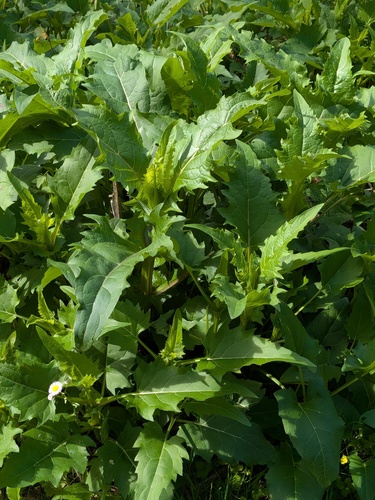
American Robin

The Cleveland Cultural Gardens is a vibrant tapestry of global cultures, offering a beautiful and educational journey through shared human heritage.
The Cleveland Cultural Gardens is a vibrant tapestry of global cultures, offering a beautiful and educational journey through shared human heritage. This unique collection features 38 developed gardens, each meticulously designed and maintained by a distinct cultural or nationality group, celebrating Cleveland's rich multiculturalism. It stands as a powerful symbol of "peace through mutual understanding," showcasing the contributions of diverse communities to the world.
As you wander through this expansive park, you'll encounter a captivating array of features, from the Italian Garden's Renaissance-inspired fountain and sweeping staircases to the Greek Garden's reflecting pool and pylon reminiscent of the Parthenon. Discover the Hungarian Garden's ornate wrought-iron arch, the Chinese Garden's impressive dragons and Confucius statue, or the Ethiopian Garden's vivid 5-panel historical mural. Statues of influential figures like Mahatma Gandhi in the India Garden, Mother Teresa in the Albanian Garden, and the Goethe-Schiller Monument in the German Garden dot the landscape, inviting reflection and appreciation.
Visiting the Cleveland Cultural Gardens is an immersive experience, inviting you to connect with the artistic, philosophical, and historical legacies of nations around the globe. It's a place to stroll peacefully, admire intricate landscaping, discover symbolic sculptures, and gain a deeper understanding of the diverse traditions that enrich Cleveland and the world. Each garden tells a story, making it a memorable destination for learning, inspiration, and tranquil enjoyment. Take the ultimate field guide with you: use the Snappit app to identify birds, plants, and animals on your trip.
The genesis of the Cleveland Cultural Gardens can be traced back to 1896 when oil magnate John D. Rockefeller donated the land that now forms Rockefeller Park. The first garden, the Shakespeare Garden (today the British Garden), was established in 1916. Inspired by this initiative, journalist Leo Weidenthal envisioned a series of gardens honoring the city's diverse ethnic communities. His efforts, alongside Charles Wolfram and Jennie Zwick, led to the formation of the Cultural Garden League in 1926, with the Hebrew Garden becoming its first official member. The gardens expanded significantly in the 1930s and 1940s, partly with support from the federal Works Progress Administration (WPA). In 1952, the Cultural Garden League evolved into the Cleveland Cultural Gardens Federation, continuing to foster the creation of new gardens. What began as a local initiative has grown into a unique collection of currently 38 developed gardens, with more in development, reflecting the continuous enrichment of Cleveland's cultural landscape and its enduring mission of promoting peace through mutual understanding.
Stroll leisurely along the connecting paths, admire the diverse landscaping and architecture, read the plaques and inscriptions detailing historical figures and cultural contributions, and capture stunning photographs. Many visitors enjoy walking, jogging, or biking through Rockefeller Park, which encompasses the gardens.
Spring: Witness the awakening of the gardens with vibrant flowers and blossoming trees.
Summer: Enjoy lush greenery and consider attending individual garden events or the large "One World Day" celebration.
Fall: Experience a breathtaking display of autumn colors.
Winter: While less verdant, the gardens offer a serene, peaceful landscape and many monuments are still visible.
The gardens feature connecting walking paths throughout Rockefeller Park. While many areas have paved paths, some older or more elaborate gardens may have uneven terrain. The Rockefeller Greenhouse offers accessible restrooms.
Don't miss the Renaissance-inspired Italian Garden, the Hungarian Garden with its striking wrought-iron arch, the Greek Garden's Parthenon pylon, or the German Garden's Goethe-Schiller Monument. Seek out the Mahatma Gandhi statue in the India Garden and the Mother Teresa statue in the Albanian Garden. The Chinese Garden's dragons and Confucius statue, the Armenian Alphabet Monument, and the Syrian Arch of Palmyra replica are also must-sees. Each garden offers unique sculptures, architectural elements, and often plants native to the represented culture.
Each card links to a full Explore page with photos, traits, and fun facts.






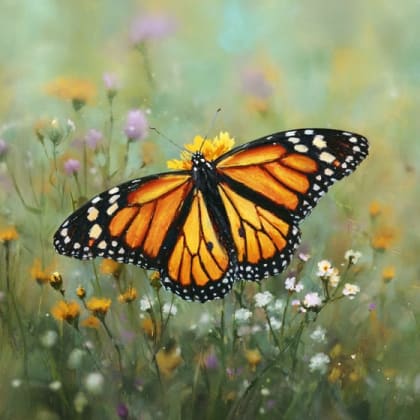














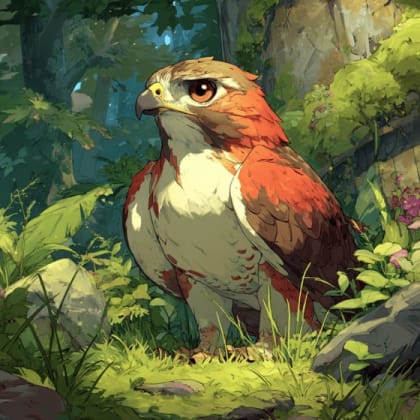



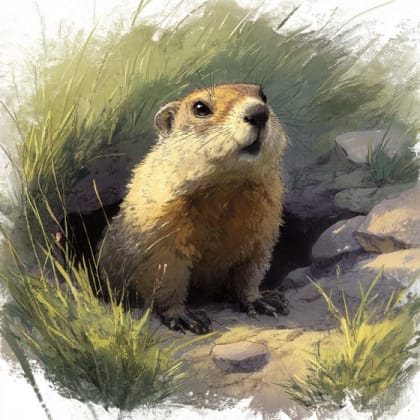





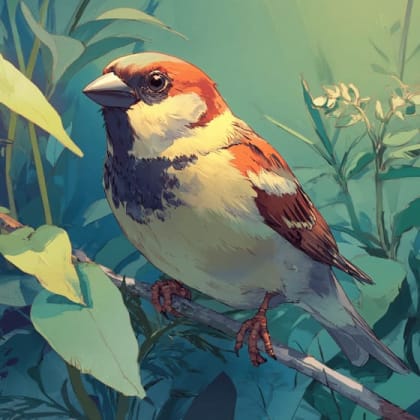





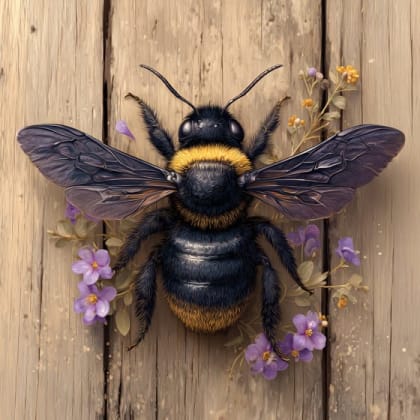



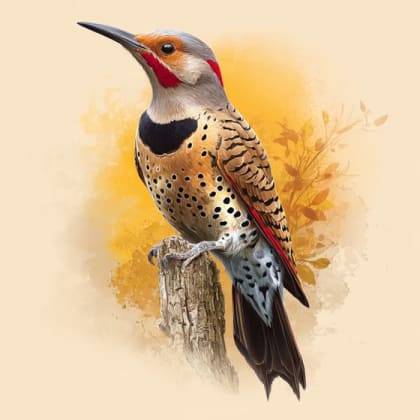





Start with the big picture, then zoom in to explore individual wildlife observations around this place.
Wear comfortable shoes
The gardens span over 1.5 miles along two main boulevards, so comfortable footwear is essential for exploration.
Bring water and snacks
Aside from special events like One World Day, food and drink options are not readily available within the gardens.
Grab a map
An information kiosk near the German Garden on MLK Boulevard offers maps to help navigate the extensive collection of gardens.
Consider visiting the Rockefeller Greenhouse: Located at the northern end, it offers additional botanical displays and provides the most reliable restroom access.
Parking is generally available
Ample street parking can be found along Martin Luther King Jr. Drive and East Boulevard, as well as on various side streets, usually right in front of the gardens.
Plan for specific highlights
With so many gardens, it can be helpful to research a few specific gardens or monuments you'd like to see beforehand if your time is limited.
Jun 15, 2026
Photo attribution
(c) Joey M, some rights reserved (CC BY)
License: CC BY 4.0 ↗
Image may be shown cropped inside the card frame.
Jun 12, 2026
Photo attribution
(c) greatlakes25, some rights reserved (CC BY)
License: CC BY 4.0 ↗
Image may be shown cropped inside the card frame.
Jun 10, 2026
Photo attribution
(c) mks334, some rights reserved (CC BY)
License: CC BY 4.0 ↗
Image may be shown cropped inside the card frame.
Jun 9, 2026
Photo attribution
(c) greatlakes25, some rights reserved (CC BY)
License: CC BY 4.0 ↗
Image may be shown cropped inside the card frame.
May 23, 2026
Photo attribution
(c) Michael and Antoni Hinczewski, some rights reserved (CC BY)
License: CC BY 4.0 ↗
Image may be shown cropped inside the card frame.

Maryland, US
You might spot White-Tailed Deer and Eastern Gray Squirrel.
View guide →
.jpg)
District of Columbia, US
You might spot Eastern Gray Squirrel, Duck, and House Sparrow.
View guide →

Illinois, US
You might spot American Robin, Canada Goose, and House Sparrow.
View guide →

Virginia, US
You might spot Spotted Lanternfly and Northern Cardinal.
View guide →
Take the discovery with you
Identify the wildlife you spot, learn as you go, and keep a collection of the adventure.