





Alexanders
Smyrnium olusatrum
Alexanders are tall green plants that grow in damp places. They have bright yellow flowers that attract butterflies and bees, making them a lovely sight in nature.
Habitat: Coastal areas
The Alexanders has stout, hollow stems with large, glossy, dark green leaves that look a bit like celery. Its small, yellow-green flowers are clustered into domed umbrella-like heads, creating a striking contrast against its robust foliage.
Category
PlantsRarity
Common
Danger
1/5 · Very low
Snaps
1
Alexanders can survive salty sea spray, making it a common sight near coasts!
Ancient Romans used Alexanders as a vegetable spice, similar to celery!
Its name comes from Alexandria, where it was once cultivated widely!
The entire plant, from root to seed, is edible and has a strong, unique flavor.
Alexanders has a thick taproot that helps it anchor firmly and find water, even in dry coastal soils.
Its many tiny flowers are grouped into wide, flat clusters, creating a large landing pad to attract lots of hungry insects.
Alexanders produces abundant black seeds that can float or be carried by animals, helping it spread far and wide.
Apis mellifera
Visits flowers for nectar and pollen, aiding reproduction.

Helix aspersa
Snails sometimes feed on the leaves and stems of young plants.
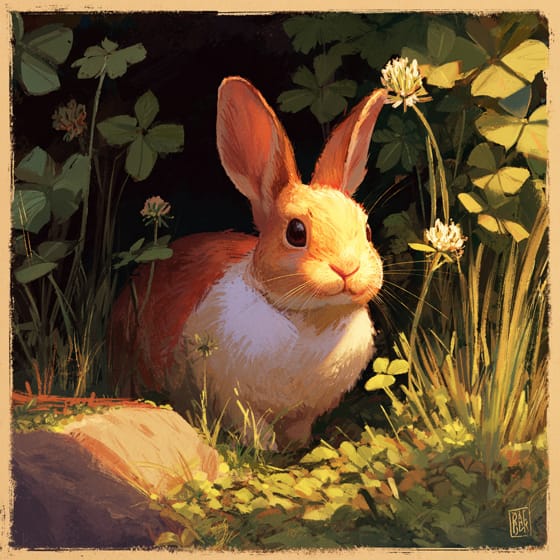
Oryctolagus cuniculus
Rabbits may graze on the foliage, especially when tender.
Aromatic plants produce and emit fragrant volatile organic compounds, often for defense or to attract pollinators.
Flowering plants are any plants that produce flowers as part of their reproductive cycle.
Biennial plants complete their life cycle over two growing seasons, typically forming foliage in the first year and flowering/seeding in the second.
Spring blooming plants produce their flowers during the spring season, often signifying the end of winter and the start of new growth.

Fragrant flowers emit a pleasant aroma, often to attract pollinators or for defense.

Edible plants are those parts of a plant that are considered safe for human consumption.

Describes plants that are particularly attractive and beneficial to a wide range of pollinating organisms.

Rapid growing plants exhibit accelerated growth rates, quickly increasing in size and biomass within a short period.

Coastal habitats are dynamic environments located along the interface between land and sea, influenced by tides, waves, and saltwater.
No aliases listed yet.
Danger
1/5 · Very low
Always ask an adult before touching or tasting any plants.
The easiest way to identify Alexanders is to use the Snappit nature identifier app.
50-150 cm
30-60 cm
0.2-0.4 cm
Spring to early summer (April-June)
Yes
None
Biennial
Zoom in to split clusters and explore where this object has been snapped.
Take the discovery with you
Snap it with Snappit to identify it, learn what makes it special, and add the discovery to your collection.




.jpg)




.jpg&width=800)


_001.jpg&width=800)



