





Allegheny monkeyflower
Mimulus ringens
The Allegheny monkeyflower is a cheerful flower that grows near water. It has bright yellow and purple petals that attract butterflies and bees, making it a happy sight in nature.
Habitat: Wetlands
The Allegheny monkeyflower has striking two-lipped, tubular flowers, typically vibrant purple or blue-violet. Its lower lip often features a yellow throat with small reddish-brown spots, creating a unique 'monkey-face' appearance. This contrasts with its square, often reddish-tinged stems and lance-shaped leaves.
Category
PlantsRarity
Common
Danger
1/5 · Very low
Snaps
4
Its name 'monkeyflower' comes from the bloom's playful face-like shape!
Look closely for tiny red spots inside its throat, guiding bees to sweet nectar!
Some people used to make tea from this plant, but it’s mostly for looking at!
The 'Allegheny' part of its name points to mountains where it's often found!
Allegheny monkeyflower can grow in super wet soil thanks to roots adapted to oxygen-poor environments, helping it thrive where others can't.
The flower's distinct purple petals and spotted yellow throat act like a landing strip, guiding bees right to its nectar for reproduction.
This plant spreads underground using special stems called rhizomes, helping it quickly colonize wet areas and create dense patches for survival.
Apis mellifera
Collects nectar and pollen from its blooms.
Bombus impatiens
Visits flowers, performing buzz pollination.
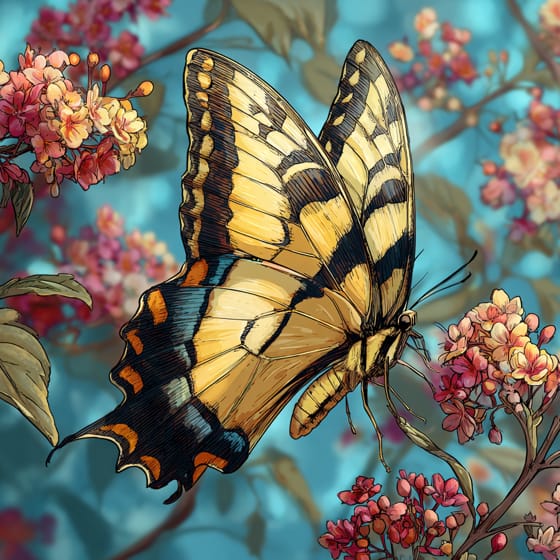
Papilio glaucus
Feeds on nectar, aiding in pollen transfer.
Flowering plants are any plants that produce flowers as part of their reproductive cycle.
Spring blooming plants produce their flowers during the spring season, often signifying the end of winter and the start of new growth.
Summer blooming plants produce their flowers during the summer season, often providing vibrant color when many other plants have finished.
Fragrant flowers emit a pleasant aroma, often to attract pollinators or for defense.

Colorful describes organisms or objects displaying a wide range of bright and distinct colors.

Describes plants that are particularly attractive and beneficial to a wide range of pollinating organisms.

This habitat trait identifies species found in wetlands, which are areas of land saturated with water, either permanently or seasonally, including marshes, swamps, and bogs.
No aliases listed yet.
Danger
1/5 · Very low
Always look but don’t pick flowers, so they can keep growing for everyone to enjoy.
The easiest way to identify Allegheny monkeyflower is to use the Snappit nature identifier app.
30-100 cm
30-60 cm
2-3 cm
Summer to early fall
No
None
Perennial
Zoom in to split clusters and explore where this object has been snapped.

District of Columbia, US
You might spot Eastern Gray Squirrel, Duck, and House Sparrow.
View guide →
.jpg)
District of Columbia, US
You might spot Eastern Gray Squirrel, Duck, and House Sparrow.
View guide →

District of Columbia, US
You might spot Duck, Blue Dasher, and Eastern Gray Squirrel.
View guide →

New Hampshire, US
You might spot Hackberry Emperor, Tansy, and Wood Nettle.
View guide →

New York, US
You might spot White-Tailed Deer, Eastern Skunk Cabbage, and Duck.
View guide →

Pennsylvania, US
You might spot Duck, Staghorn Sumac, and American Robin.
View guide →
Take the discovery with you
Snap it with Snappit to identify it, learn what makes it special, and add the discovery to your collection.








.jpg&width=800)


_001.jpg&width=800)




