





Alpine Enchanter's-nightshade
Circaea alpina
Alpine Enchanter's-nightshade is a small, delicate plant that grows in cool, shady places. It has pretty white flowers and soft green leaves, making it a lovely sight in the forest.
Habitat: Mountain regions
The Alpine Enchanter's-nightshade is a delicate plant with small, heart-shaped, bright green leaves. It produces tiny, paired white or pale pink flowers that appear to have two deeply notched petals, making them look almost like four.
Category
PlantsRarity
Common
Danger
1/5 · Very low
Snaps
7
Despite "nightshade" in its name, it's completely unrelated to the poisonous true nightshades!
It can grow very high up in mountains, sometimes near melting snow patches!
Its tiny flowers look like they have two petals, but each is deeply split, making it four!
The plant’s name comes from ancient magic lore, despite being a real forest plant.
Alpine Enchanter's-nightshade has creeping rhizomes that help it spread easily and form small patches, even in challenging soils.
Its tiny, burr-like fruits are covered in hooked bristles, allowing them to hitch a ride on animals for dispersal.
This plant can thrive in deep shade where many others struggle, using low light to grow in dense forest understories.
Bombus terrestris
Visits tiny flowers for nectar and pollen.

Arion ater
Slugs and snails frequently browse on its leaves.
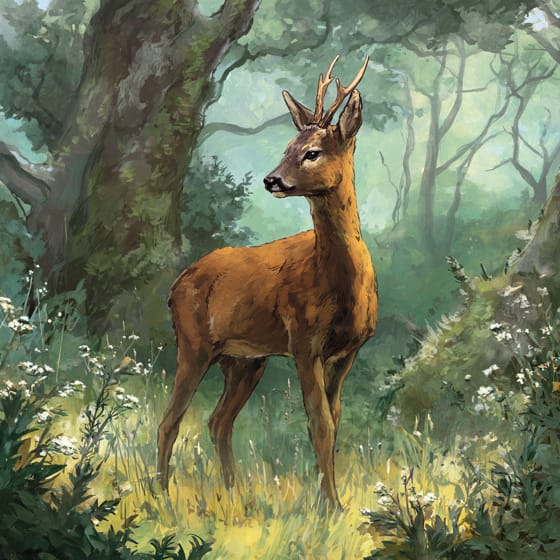
Capreolus capreolus
Deer may browse on its leaves in forest habitats.
Fannia serena
Small flies are attracted to its blossoms.
Deciduous plants periodically shed all their leaves, typically during autumn or dry seasons.
Flowering plants are any plants that produce flowers as part of their reproductive cycle.
Shade tolerant plants are adapted to grow and thrive in areas with low light levels, requiring less direct sunlight.
Fragrant flowers emit a pleasant aroma, often to attract pollinators or for defense.

Medicinal plants possess chemical compounds that can be used for therapeutic purposes to treat illnesses or maintain health.

This habitat trait identifies species found in mountainous regions, characterized by high elevation, steep slopes, and varying climate zones.

Forest habitats are terrestrial environments dominated by dense tree cover, supporting a high diversity of plant and animal life.

Describes organisms that transfer pollen, enabling the fertilization and reproduction of plants.

Endangered status indicates a species is at a very high risk of extinction in the wild in the near future.
No aliases listed yet.
Danger
1/5 · Very low
Do not touch or eat unknown plants, as some can be harmful.
The easiest way to identify Alpine Enchanter's-nightshade is to use the Snappit nature identifier app.
5-30 cm
10-25 cm
0.2-0.5 cm
Summer
No
None
Perennial
Zoom in to split clusters and explore where this object has been snapped.

Oregon, US
You might spot Duck, Pacific Trillium, and Wood Duck.
View guide →

Oregon, US
You might spot Oregon Oak, Pacific Poison Oak, and American Bullfrog.
View guide →

Oregon, US
You might spot Western Redcedar, Salal, and Pacific Trillium.
View guide →

Oregon, US
You might spot Pacific Trillium, Pacific Banana Slug, and Dark-Eyed Junco.
View guide →

Oregon, US
You might spot Great Camas, Columbian Larkspur, and Osoberry.
View guide →

Washington, US
You might spot Tiger, Ring-Tailed Lemur, and Caribou.
View guide →
Take the discovery with you
Snap it with Snappit to identify it, learn what makes it special, and add the discovery to your collection.






.jpg&width=800)


_001.jpg&width=800)



