





American asters
Symphyotrichum
American asters are beautiful flowers that bloom in late summer and fall. They come in many colors like purple, pink, and white, and attract butterflies and bees.
Habitat: Fields and gardens
The American asters has a vibrant, daisy-like appearance with numerous slender petals radiating from a dense yellow or reddish-brown center. Flowers are often purple, blue, pink, or white, creating a star-like shape. They typically grow in bushy clumps.
Category
PlantsRarity
Common
Danger
1/5 · Very low
Snaps
Be the first to snap!
Indigenous peoples traditionally used parts of aster plants for various medicines!
Many aster species provide vital food and shelter for butterfly caterpillars!
Some asters can change their flower color as they age to signal insects!
Their fluffy, wind-blown seeds are a favorite snack for hungry birds in winter.
American asters can bloom late into fall, providing essential nectar for migrating insects and bees.
American asters have bright, colorful flowers that attract a wide variety of butterflies and native bees.
American asters have strong underground rhizomes that help them spread and survive harsh winter conditions.
Apis mellifera
Gathers nectar and pollen from aster flowers.
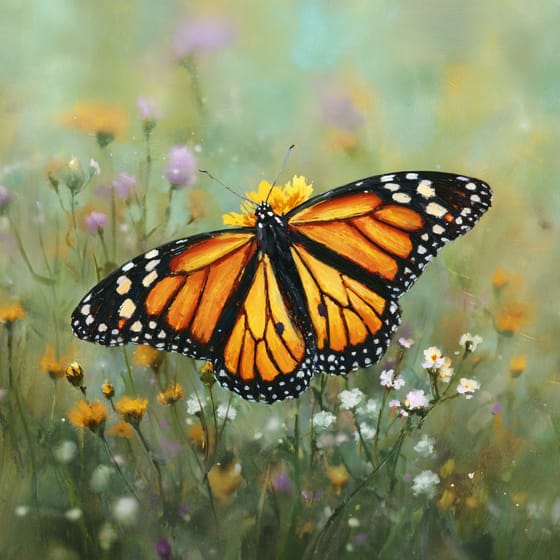
Danaus plexippus
Feeds on aster nectar during its long migration.
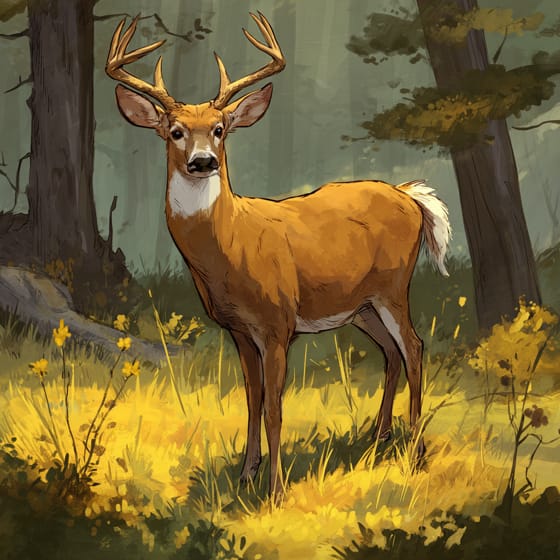
Odocoileus virginianus
Browses on the leaves and tender stems of asters.
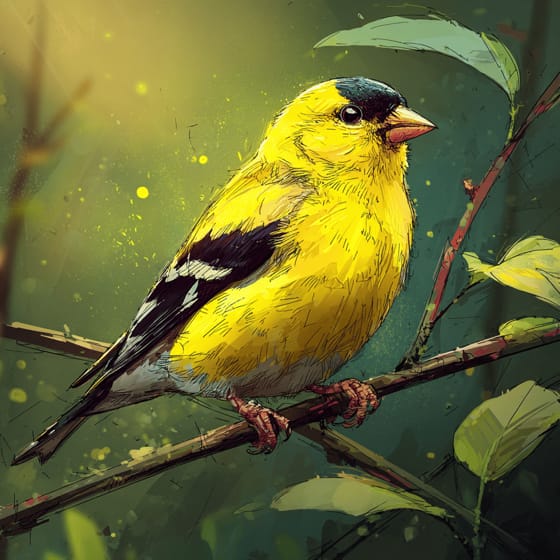
Spinus tristis
Feasts on the abundant fluffy seeds in autumn.
Deciduous plants periodically shed all their leaves, typically during autumn or dry seasons.
Flowering plants are any plants that produce flowers as part of their reproductive cycle.
Ornamental plants are cultivated primarily for their aesthetic appeal, enhancing landscapes and gardens with their attractive foliage, flowers, or form.
Summer blooming plants produce their flowers during the summer season, often providing vibrant color when many other plants have finished.

Fragrant flowers emit a pleasant aroma, often to attract pollinators or for defense.

Colorful describes organisms or objects displaying a wide range of bright and distinct colors.

Grassland habitats are terrestrial biomes dominated by grasses and herbaceous plants, supporting a variety of grazing animals.

Describes plants that are particularly attractive and beneficial to a wide range of pollinating organisms.

This habitat trait indicates species that can coexist with humans in urban and suburban environments, utilizing man-made structures and green spaces.
Danger
1/5 · Very low
Always check with an adult before picking flowers.
The easiest way to identify American asters is to use the Snappit nature identifier app.
30-200 cm
30-100 cm
1-5 cm
Late summer to fall
No
None
Perennial
Zoom in to split clusters and explore where this object has been snapped.
Recent snaps will appear here as new observations are added.
Take the discovery with you
Snap it with Snappit to identify it, learn what makes it special, and add the discovery to your collection.







.jpg&width=800)


_001.jpg&width=800)




