



Elk

The North Entrance Road Historic District is Yellowstone's iconic, year-round gateway, welcoming visitors with a blend of history and breathtaking nature.
The North Entrance Road Historic District is Yellowstone's iconic, year-round gateway, welcoming visitors with a blend of history and breathtaking nature. This 5.23-mile stretch extends from Gardiner, Montana, to the park's headquarters at Mammoth Hot Springs, offering immediate immersion into the wonders of America's first national park. The district is renowned for its historic architecture, scenic drive along the Gardner River, and abundant wildlife, setting the stage for an unforgettable Yellowstone adventure.
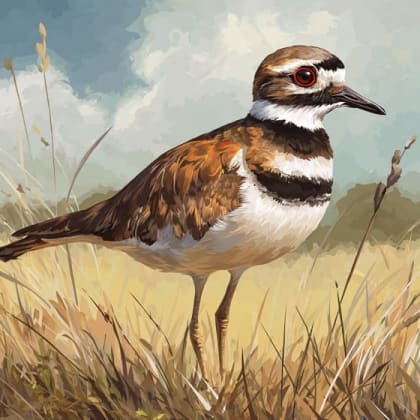
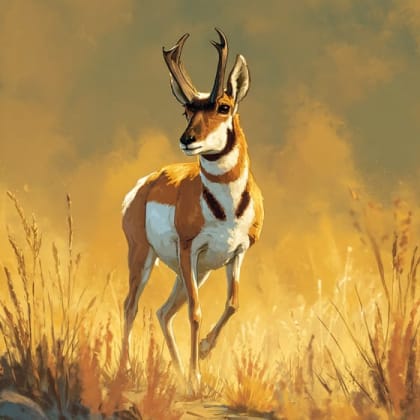
Driving this historic road, visitors are greeted by the magnificent Roosevelt Arch, a symbol of early conservation efforts and a grand entrance built in 1903. Beyond the arch, the winding road, designed to blend seamlessly with the natural landscape, leads to the unique travertine terraces of Mammoth Hot Springs. Along the way, the area is a prime location for wildlife viewing, with opportunities to spot elk, bison, pronghorn, and deer grazing in the valleys, particularly in the nearby Lamar Valley, often referred to as "America's Little Serengeti."
The North Entrance Road Historic District offers more than just passage; it's a destination itself, providing a unique perspective on Yellowstone's origins and its enduring natural beauty. Whether marveling at the geological formations, exploring historic Fort Yellowstone, or capturing photographs of the diverse wildlife, the journey through this district is a memorable introduction to the park's magic, steeped in history and vibrant with life. Enhance your adventure: download the Snappit app to identify the local species you encounter.
The North Entrance Road Historic District represents a pivotal part of Yellowstone National Park's early development. Originally planned in 1883 by Lieutenant Dan Kingman of the U.S. Army Corps of Engineers, this road was essential for connecting Fort Yellowstone, the park's military headquarters, with the Northern Pacific Railway station in Gardiner, Montana. Later improved by Captain Hiram M. Chittenden, the road's design exemplified a "blending with nature" philosophy, utilizing local materials and winding alignments to integrate with the landscape. The district's most prominent feature, the Roosevelt Arch, was completed in 1903. This impressive rustic-style stone arch, dedicated by President Theodore Roosevelt, served as a ceremonial entrance and bore the inscription "For the Benefit and Enjoyment of the People," echoing the founding ethos of the park. The arch became a potent symbol of conservation and a grand welcome for visitors arriving by train to experience the world's first national park. The district, including the road and the Roosevelt Arch, was officially added to the National Register of Historic Places in 2002. In 2022, parts of the original North Entrance Road were washed away by floods, leading to the designation of the "Old Gardiner Road" as the new North Entrance Road.
Drive or walk through the Roosevelt Arch and take photographs.
* Explore the boardwalks at Mammoth Hot Springs to witness the unique travertine formations like Palette Springs, Canary Spring, Mound Spring, and Jupiter Terrace.
* Tour the historic buildings of Fort Yellowstone.
* Wildlife spotting: Look for elk and bison near Mammoth, and venture towards Lamar Valley for a higher chance to see wolves, bears, and pronghorn.
* Hiking: Enjoy trails like Beaver Ponds Trail, Wraith Falls, Undine Falls, or the more challenging Bunsen Peak Trail for panoramic views.
**Seasonal notes: **
* **Weather: ** Highly variable, even in summer. Be prepared for sudden temperature drops and precipitation year-round. Winters are cold with heavy snow.
* **Animal activity: ** Best in spring (babies) and fall (rut, migrations). Winter offers unique opportunities to spot wolves and other wildlife against the snow.
* **Seasonal events: ** Check the park's official website for any events or ranger programs specific to the Mammoth Hot Springs area.
**Accessibility features: **
* Many boardwalks at Mammoth Hot Springs are accessible, though some sections may involve steps or inclines.
* The Albright Visitor Center at Mammoth Hot Springs is accessible.
* The main North Entrance Road (Old Gardiner Road) is paved.
Weather: Highly variable, even in summer. Be prepared for sudden temperature drops and precipitation year-round. Winters are cold with heavy snow.
Animal activity: Best in spring (babies) and fall (rut, migrations). Winter offers unique opportunities to spot wolves and other wildlife against the snow.
Seasonal events: Check the park's official website for any events or ranger programs specific to the Mammoth Hot Springs area.
**Accessibility features:
Many boardwalks at Mammoth Hot Springs are accessible, though some sections may involve steps or inclines.
The Albright Visitor Center at Mammoth Hot Springs is accessible.
The main North Entrance Road (Old Gardiner Road) is paved.
Many boardwalks at Mammoth Hot Springs are accessible, though some sections may involve steps or inclines.
* The Albright Visitor Center at Mammoth Hot Springs is accessible.
* The main North Entrance Road (Old Gardiner Road) is paved.
The iconic stone gateway marking the park's North Entrance, perfect for photos.
A mesmerizing complex of travertine terraces, constantly changing and evolving due to mineral-rich hot water. Explore the boardwalks of the Upper and Lower Terraces.
Historic buildings from the late 19th and early 20th centuries, where the U.S. Army managed the park. Now serves as park headquarters and housing.
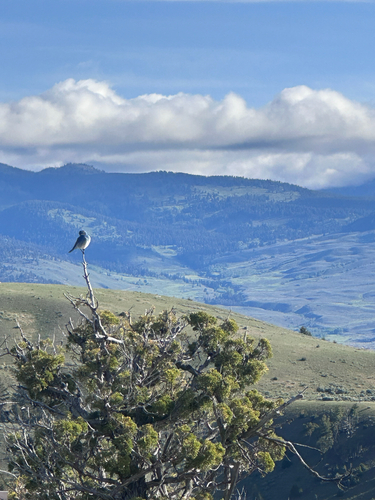
The scenic route along the river offers picturesque views.
Each card links to a full Explore page with photos, traits, and fun facts.
Start with the big picture, then zoom in to explore individual wildlife observations around this place.
Arrive Early for Wildlife
The early morning hours are often the best for spotting wildlife, especially in the meadows around Mammoth Hot Springs and along the road to Lamar Valley.
Bring Binoculars and a Telephoto Lens
For wildlife viewing and photography, these are essential for getting clear views and detailed shots from a safe distance.
Explore Mammoth Hot Springs Thoroughly
Don't just stick to one boardwalk; explore both the Upper and Lower Terraces to see the full variety of formations, such as Palette Springs and Canary Spring.
Visit Fort Yellowstone
Take time to walk around the historic Fort Yellowstone buildings to learn about the park's military history and early management.
Be Bear Aware
If hiking, especially on trails like Bunsen Peak or Wraith Falls, carry bear spray and know how to use it. Make noise on trails to avoid surprising wildlife.
Check Road Conditions
While the North Entrance is open year-round, conditions can change rapidly, especially in winter. Always check the official Yellowstone National Park website for current road closures and advisories.
Jun 1, 2026
Photo attribution
no rights reserved
License: CC0 1.0 ↗
Image may be shown cropped inside the card frame.
Jun 19, 2026
Jun 19, 2026
Jun 19, 2026
Jun 18, 2026

Maryland, US
You might spot White-Tailed Deer and Eastern Gray Squirrel.
View guide →
.jpg)
District of Columbia, US
You might spot Eastern Gray Squirrel, Duck, and House Sparrow.
View guide →

Illinois, US
You might spot American Robin, Canada Goose, and House Sparrow.
View guide →

Virginia, US
You might spot Spotted Lanternfly and Northern Cardinal.
View guide →
Take the discovery with you
Identify the wildlife you spot, learn as you go, and keep a collection of the adventure.