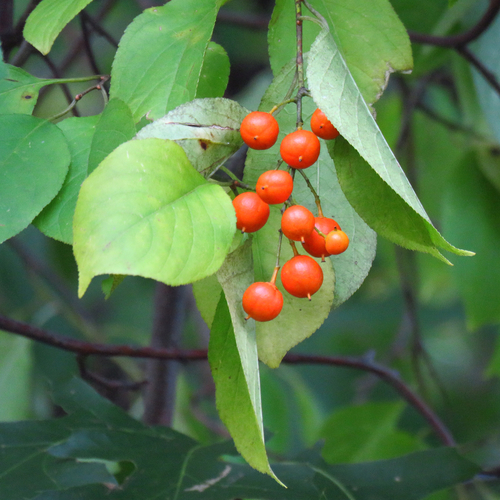


American Bittersweet
celastrus scandens
The American Bittersweet, scientifically known as Celastrus scandens, is a captivating native woody vine renowned for its vibrant autumnal display. This deciduous climbing plant adds a splash of color to woodlands and disturbed areas across eastern and central North America, particularly as its leaves drop to reveal clusters of bright orange-yellow capsules that split open to expose brilliant red-orange arils. Beyond its aesthetic appeal, American Bittersweet plays an ecological role, providing food for birds and small mammals during the lean winter months. However, its vigorous climbing habit necessitates careful management in garden settings, as it can potentially girdle and damage host trees if left unchecked. Its striking berries make it a popular choice for fall and winter decorations, symbolizing the enduring beauty of the changing seasons.
Habitat: This vine thrives in a variety of habitats, including open woodlands, forest edges, thickets, fencerows, and disturbed areas, often found climbing over shrubs and trees.
American Bittersweet is a woody vine that typically grows in a twining habit, often reaching lengths of 3 to 20 meters. Its leaves are alternate, simple, ovate to oblong, with finely toothed margins, turning bright yellow in autumn. The inconspicuous greenish-white flowers appear in spring or early summer, leading to the development of round, pea-sized berries that mature in late summer and early fall. These berries are initially green, then turn yellow-orange, and eventually split open to reveal three showy, glossy red-orange seeds (arils) that persist on the vine through much of the winter.
Category
PlantsRarity
Common
Danger
1/5 · Very low
Snaps
1
Historically, various parts of the plant were used by Native American tribes for medicinal purposes, including inducing vomiting, treating skin sores, and as a diuretic.
The brilliant orange and red berries of American Bittersweet are highly toxic to humans and pets if ingested, but are a vital food source for many bird species in winter.
The common name 'Bittersweet' refers to the taste of its berries, which are initially sweet but quickly turn bitter. This name is also shared with a highly invasive European species, Celastrus orbiculatus, which can hybridize with the native American Bittersweet.
The American Bittersweet vine possesses a robust twining growth habit, allowing it to climb high into the canopy of host trees and shrubs, gaining access to sunlight and spreading rapidly.
Its distinctive orange capsules that open to reveal red-orange seeds remain on the vine long after the leaves have fallen, providing a striking visual display throughout fall and winter, and serving as a food source for wildlife.
This species is well-adapted to colonizing disturbed sites such as clearings, abandoned fields, and roadsides, quickly establishing itself and contributing to early successional communities.
American Bittersweet, as a plant, produces its own food through the process of photosynthesis, converting sunlight, water, and carbon dioxide into sugars for energy and growth. It also absorbs essential mineral nutrients from the soil via its extensive root system.
Apis mellifera
Pollinator for flowers

Turdus migratorius
Seed dispersal via fruit consumption
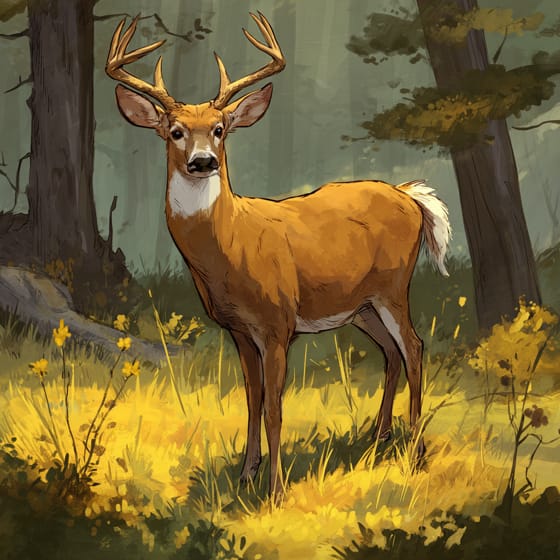
Odocoileus virginianus
Browsing of foliage and twigs
No trait badges are assigned for this object yet.
No aliases listed yet.
Collections for this object will appear here as more themes are added.
Danger
1/5 · Very low
No special safety notes yet.
The easiest way to identify American Bittersweet is to use the Snappit nature identifier app.
300-2000 cm
10-25 years
American Bittersweet, as a plant, produces its own food through the process of photosynthesis, converting sunlight, water, and carbon dioxide into sugars for energy and growth. It also absorbs essential mineral nutrients from the soil via its extensive root system.
This vine thrives in a variety of habitats, including open woodlands, forest edges, thickets, fencerows, and disturbed areas, often found climbing over shrubs and trees.
Photosynthesis And Nutrient Absorption
Zoom in to split clusters and explore where this object has been snapped.
Take the discovery with you
Snap it with Snappit to identify it, learn what makes it special, and add the discovery to your collection.












.jpg&width=800)



_001.jpg&width=800)




