





summer-cypress
Bassia scoparia
Summer cypress is a fun plant that looks like a fluffy green cloud! It grows tall and can change colors, making it a pretty sight in gardens and fields during summer.
Habitat: Grasslands
The summer-cypress is a densely branched, oval-shaped annual plant, often growing 1-2 meters tall. Its small, soft, narrow leaves are typically bright green, turning vibrant shades of red, purple, or yellow in autumn, making it resemble a miniature conifer.
Category
PlantsRarity
Common
Danger
1/5 · Very low
Snaps
1
It's sometimes called "burning bush" because of its fiery red fall color!
Its bushy shape makes it look like a mini evergreen tree, but it's an annual!
This plant is used in Japan to create beautiful, living green sculptures!
Tiny summer-cypress seeds can stay alive in the soil for many years!
Summer-cypress can thrive in dry conditions thanks to its efficient water use, helping it survive hot, arid places.
Summer-cypress has leaves that change from green to brilliant red or purple, helping it signal maturity and prepare for seed dispersal.
Summer-cypress can grow quickly from seed, allowing it to outcompete other plants for sunlight and resources.

Bos taurus
often grazed by cattle in pastures
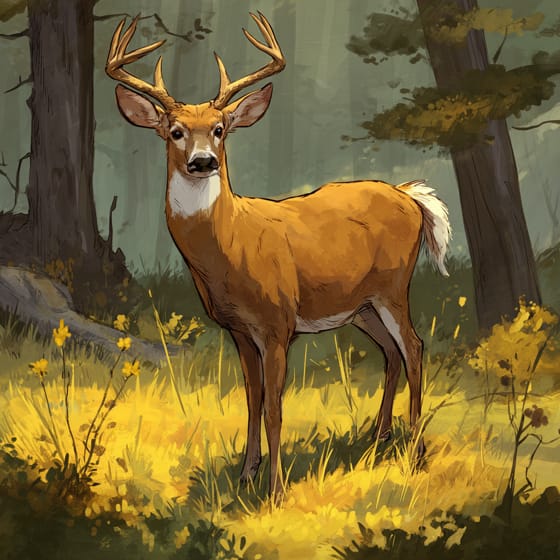
Odocoileus virginianus
browsed by deer, especially when young
Erysiphe cichoracearum
causes powdery mildew disease
Ornamental plants are cultivated primarily for their aesthetic appeal, enhancing landscapes and gardens with their attractive foliage, flowers, or form.
A shrub is a woody plant smaller than a tree, typically with multiple stems branching from or near the ground.
Summer blooming plants produce their flowers during the summer season, often providing vibrant color when many other plants have finished.
Salt tolerant plants can withstand and grow in conditions with elevated salinity levels in the soil or water.

Drought-tolerant plants can survive and flourish in conditions with limited water availability.

Fall color refers to the seasonal change in foliage pigmentation, primarily in deciduous plants, displaying vibrant hues.

Grassland habitats are terrestrial biomes dominated by grasses and herbaceous plants, supporting a variety of grazing animals.

Describes plants that are particularly attractive and beneficial to a wide range of pollinating organisms.
Danger
1/5 · Very low
Always look but don't touch plants unless a grown-up says it's okay.
The easiest way to identify summer-cypress is to use the Snappit nature identifier app.
50-200 cm
30-100 cm
Late summer to early fall
No
None
Annual
Wind
Zoom in to split clusters and explore where this object has been snapped.
Take the discovery with you
Snap it with Snappit to identify it, learn what makes it special, and add the discovery to your collection.










.jpg&width=800)



_001.jpg&width=800)




