.jpg&width=800)





American black nightshade
Solanum americanum
The American black nightshade is a small plant with shiny green leaves and tiny white flowers. It produces small black berries that can be found in gardens and fields.
Habitat: Urban areas
The American black nightshade has oval leaves, often with wavy edges, and produces clusters of small, star-shaped white flowers with bright yellow centers. Its most distinguishing feature is the small, round berries that transition from green to shiny black when ripe, resembling tiny pearls.
Category
PlantsRarity
Common
Danger
2/5 · Low
Snaps
7
Each tiny flower has five white petals that are usually bent backward!
Its ripe berries look like tiny black pearls, but only some are safe to eat!
Some people call it 'deadly nightshade,' but that's a different, much more toxic plant!
This plant is a relative of potatoes, tomatoes, and even chili peppers!
American black nightshade can produce many small berries that birds enjoy, helping to spread its seeds far and wide to new locations.
American black nightshade contains compounds called alkaloids, which can deter hungry herbivores from eating its leaves and unripe berries.
American black nightshade has a rapid growth rate and produces many seeds, allowing it to quickly colonize disturbed or open areas.
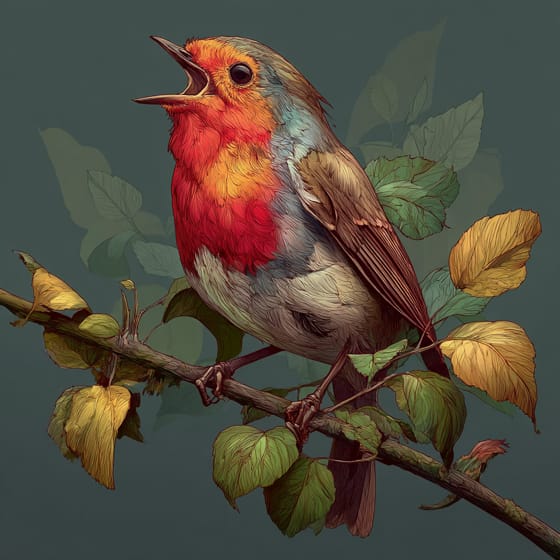
Turdus migratorius
Eats ripe berries, aiding seed dispersal.
Apis mellifera
Visits flowers for nectar, transferring pollen.
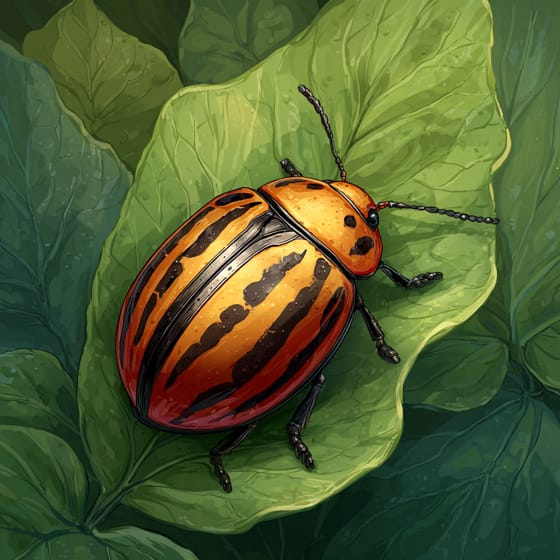
Leptinotarsa decemlineata
Larvae sometimes feed on its leaves.
Deciduous plants periodically shed all their leaves, typically during autumn or dry seasons.
Ornamental plants are cultivated primarily for their aesthetic appeal, enhancing landscapes and gardens with their attractive foliage, flowers, or form.
Fruit-bearing plants produce fruits, which are the mature ovaries of flowering plants containing seeds.
Medicinal plants possess chemical compounds that can be used for therapeutic purposes to treat illnesses or maintain health.

Edible plants are those parts of a plant that are considered safe for human consumption.

Describes plants that are particularly attractive and beneficial to a wide range of pollinating organisms.

This habitat trait indicates species that can coexist with humans in urban and suburban environments, utilizing man-made structures and green spaces.
Danger
2/5 · Low
Do not eat any berries or plants unless an adult says it's safe.
The easiest way to identify American black nightshade is to use the Snappit nature identifier app.
30-90 cm
30-60 cm
0.5-1 cm
Summer to Fall
No
Moderate
Annual
Zoom in to split clusters and explore where this object has been snapped.

Alabama, US
You might spot Painted Bunting, House Finch, and Red-Shouldered Hawk.
View guide →

California, US
You might spot Mule Deer, Turkey, and Duck.
View guide →

Louisiana, US
You might spot Rough Horsetail, Northern Mockingbird, and Anole.
View guide →

Texas, US
You might spot Bottlenose Dolphin and Sea Turtle.
View guide →

Georgia, US
You might spot Bay-Breasted Warbler and Eastern Diamondback Rattlesnake.
View guide →

Utah, US
You might spot Rock Squirrel, Mule Deer, and Plateau Fence Lizard.
View guide →
Take the discovery with you
Snap it with Snappit to identify it, learn what makes it special, and add the discovery to your collection.








.jpg&width=800)



_001.jpg&width=800)



