





Eastern Diamondback Rattlesnake

The Metcalfe Historic District offers a captivating journey into Georgia's late 19th and early 20th-century history.
The Metcalfe Historic District offers a captivating journey into Georgia's late 19th and early 20th-century history. Spanning 96.4 acres, this remarkably preserved district boasts 35 contributing buildings, providing an authentic window into a bygone era. Recognized on the National Register of Historic Places, it stands as a testament to the charm and architectural character of a small Southern railroad town.
Visitors can immerse themselves in the architectural styles prevalent during Metcalfe's heyday, primarily Late Victorian, Queen Anne, and Eastlake. Key highlights include the Metcalfe Depot, a classic "Railroad Style" structure, the stately Friendship Baptist Church, and significant residences like the Queen Anne-style Rushin-Willett House and the Crenshaw-Thomas House, known for its Eastlake influences. The district also features the historic Bank of Metcalfe and meticulously restored shotgun storefronts, each telling a story of the town's commercial life.
A visit to the Metcalfe Historic District is an opportunity to slow down and appreciate the unique heritage of a small community shaped by the railroad and timber industries. It provides a memorable experience for those who cherish historical architecture, quiet contemplation, and the distinct atmosphere of a well-preserved Southern village. Be ready to snap and learn! Get the Snappit app to identify any nature species you find here.
The town of Metcalfe, sometimes mistakenly spelled "Metcalf," was established around 1887-1889, its birth intricately linked to the arrival of the railroad. It was named after Dr. John T. Metcalfe, a New Yorker who promoted the Thomasville area as a tourist destination. The railroad, part of Henry Plant's Savannah, Florida & Western Railway line, facilitated the town's growth as a vital hub for agriculture, commerce, and timber shipping, with cotton, watermelons, and pears being key exports. By the early 1890s, Metcalfe flourished with stores, a depot, a Baptist church, an academy, and numerous residences. The town's peak growth occurred around the turn of the 20th century. However, competition from nearby Thomasville, reduced rail service, and broader economic shifts led to a gradual decline. This downturn, paradoxically, helped preserve much of Metcalfe's original architectural fabric, offering a rare snapshot of small-town Southern life. The Metcalfe Historic District was officially listed on the National Register of Historic Places in 1978, recognizing its significant collection of late 19th and early 20th-century buildings.
Take a leisurely self-guided walking tour through the district, observing the unique building styles and imagining life in a bustling railroad town of the past. Photography of the historic buildings is highly recommended.
The district is primarily an outdoor experience. While there are no specific seasonal animal activities, the changing foliage of spring and fall can enhance the scenic beauty of the historic streetscapes.
As a historic district with public streets and sidewalks, it is generally accessible for walking. Individual building interiors, if open, may have varying accessibility.
Focus on the distinctive Victorian-era architecture, including Queen Anne and Eastlake styles. Don't miss the Metcalfe Depot, Friendship Baptist Church, the Rushin-Willett House, the Crenshaw-Thomas House, the Bank of Metcalfe, and the restored commercial storefronts. Look for intricate architectural details like scroll brackets and saw-tooth trim.
Each card links to a full Explore page with photos, traits, and fun facts.
Start with the big picture, then zoom in to explore individual wildlife observations around this place.
Wear comfortable walking shoes, as exploring the district is best done on foot.
Bring a camera to capture the distinctive Victorian architecture and historic charm.
Be mindful and respectful of private property, as many of the historic homes are still residences.
Look for historical markers or plaques that may provide additional context about specific buildings.
Visit during daylight hours to fully appreciate the architectural details and for better photography.
Consider combining your visit with a trip to nearby Thomasville for more historical exploration.
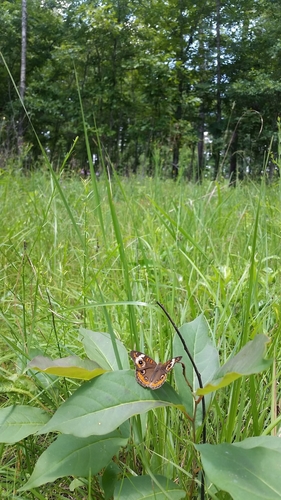
Jun 5, 2015
Photo attribution
(c) Michelle Sevcovas, some rights reserved (CC BY)
License: CC BY 4.0 ↗
Image may be shown cropped inside the card frame.
Mar 9, 2026
Jun 3, 2025
May 21, 2025
Nov 11, 2024

Maryland, US
You might spot White-Tailed Deer and Eastern Gray Squirrel.
View guide →
.jpg)
District of Columbia, US
You might spot Eastern Gray Squirrel, Duck, and House Sparrow.
View guide →

Illinois, US
You might spot American Robin, Canada Goose, and House Sparrow.
View guide →

Virginia, US
You might spot Spotted Lanternfly and Northern Cardinal.
View guide →
Take the discovery with you
Identify the wildlife you spot, learn as you go, and keep a collection of the adventure.













_RWD2.jpg&width=800)


.jpg&width=800)

