





spotted lady's thumb
Persicaria maculosa
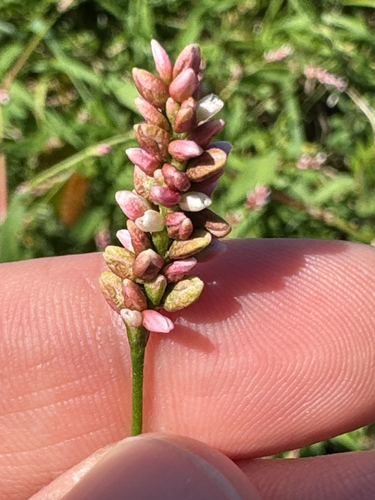
The spotted lady's thumb is a pretty plant with small, pink flowers and leaves that have unique spots. It often grows in gardens and fields, making it a lovely sight for everyone to enjoy.
Habitat: Fields and gardens
The spotted lady's thumb has slender stems with pointed, lance-shaped green leaves, famously marked with a dark, often triangular or thumbprint-like spot in the center. Its tiny, dense flowers are typically pink to purplish-red, clustered tightly at the tips of its stems. This distinct leaf spot helps differentiate it from similar plants.
Category
PlantsRarity
Common
Danger
1/5 · Very low
Snaps
6
Chewing its leaves can leave a peppery, slightly spicy taste on your tongue!
Its tiny seeds can stay alive in soil for over 50 years, waiting to sprout!
Some people traditionally used its crushed leaves to soothe skin irritations!
This plant was once used as a natural yellow dye for fabrics like wool!
Spotted lady's thumb can quickly grow in disturbed soils, helping it colonize new areas fast.
Spotted lady's thumb has seeds that can remain dormant in the soil for many years, waiting for ideal conditions.
Spotted lady's thumb leaves contain compounds that can give a peppery taste, potentially deterring some herbivores.
Apis mellifera
visits flowers for nectar
Mamestra brassicae
caterpillars feed on leaves
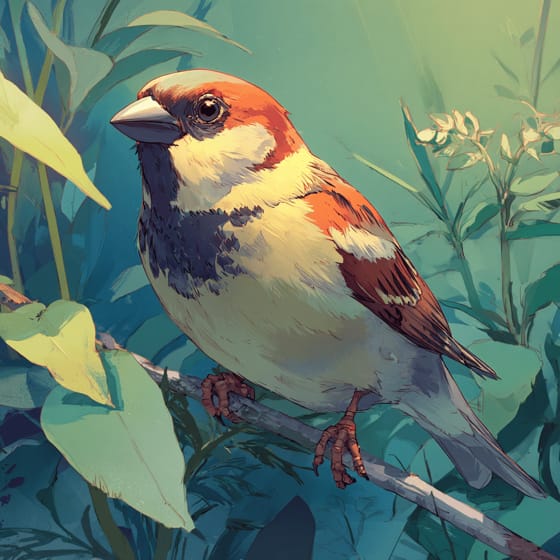
Passer domesticus
eats the small seeds
Marked with spots or patches of a different color.
Flowering plants are any plants that produce flowers as part of their reproductive cycle.
Biennial plants complete their life cycle over two growing seasons, typically forming foliage in the first year and flowering/seeding in the second.
Summer blooming plants produce their flowers during the summer season, often providing vibrant color when many other plants have finished.

Colorful describes organisms or objects displaying a wide range of bright and distinct colors.

Grassland habitats are terrestrial biomes dominated by grasses and herbaceous plants, supporting a variety of grazing animals.

Describes plants that are particularly attractive and beneficial to a wide range of pollinating organisms.

This habitat trait indicates species that can coexist with humans in urban and suburban environments, utilizing man-made structures and green spaces.
No aliases listed yet.
Danger
1/5 · Very low
Always check with an adult before touching or picking any plants.
The easiest way to identify spotted lady's thumb is to use the Snappit nature identifier app.
10-80 cm
15-40 cm
0.2-0.4 cm
Summer-fall
Yes
None
Annual
Zoom in to split clusters and explore where this object has been snapped.
Oct 3, 2025
Dawson County CourthousePhoto attribution
(c) Nick T., some rights reserved (CC BY-SA)
License: CC BY-SA 4.0 ↗
Image may be shown cropped inside the card frame.

Illinois, US
You might spot Brown-Belted Bumble Bee and Eastern Gray Squirrel.
View guide →

Illinois, US
You might spot American Robin, Canada Goose, and House Sparrow.
View guide →
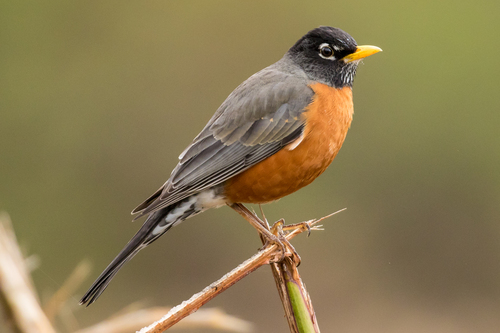
Illinois, US
You might spot American Robin, Eastern Gray Squirrel, and Canada Goose.
View guide →

Massachusetts, US
You might spot Eastern White Pine, Multiflora Rose, and Asian Bittersweet.
View guide →

Illinois, US
You might spot Prairie Trillium, Garter Snake, and Duck.
View guide →

Nebraska, US
You might spot Two-Spined Spur-Throat Grasshopper.
View guide →
Take the discovery with you
Snap it with Snappit to identify it, learn what makes it special, and add the discovery to your collection.








.jpg&width=800)



_001.jpg&width=800)




