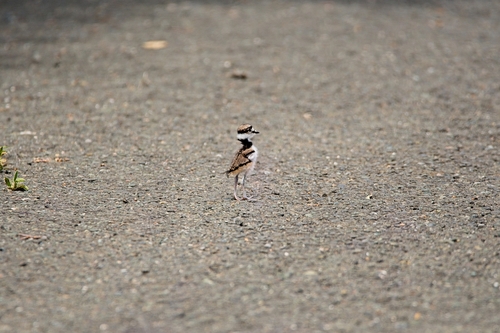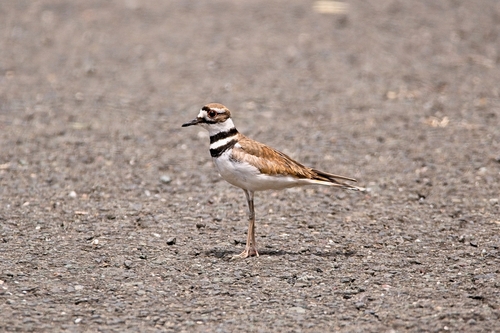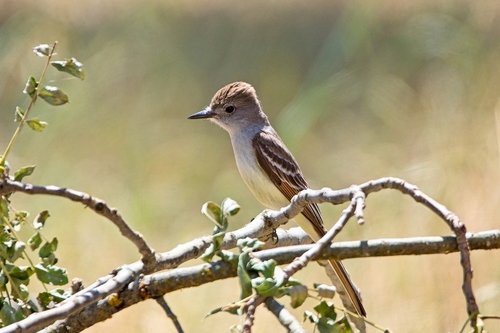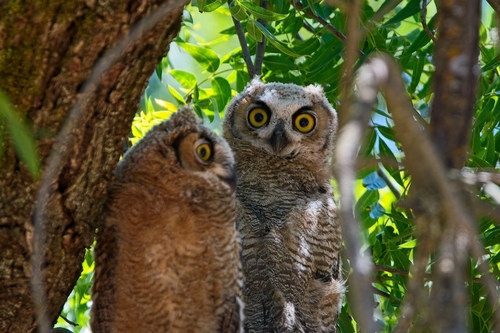




Mule Deer

Sonoma Botanical Garden is a unique woodland destination celebrating Asian and California native plants.
Sonoma Botanical Garden is a unique woodland destination celebrating Asian and California native plants. This extraordinary 67-acre garden is home to one of North America's largest collections of scientifically documented, wild-source Asian plants, offering a tranquil escape in Sonoma Valley. Beyond its stunning beauty, the garden is a vital center for conservation, dedicated to preserving rare and endangered plant species from two global biodiversity hotspots: temperate East Asia and the California floristic province.
Meandering pathways invite visitors to explore diverse collections, including an impressive array of Asian maples known for their striking autumn colors, wild Asian roses blooming with fragrant flowers from April to July, and a comprehensive collection of magnolias, with nearly 50 species and over 150 plants. Visitors can also discover a variety of lilies with dramatic, trumpet-like blooms, and explore the California Oaks Trail showcasing native oak savanna and chaparral. Keep an eye out for temporary art installations, such as the "Spirit Guides" exhibition featuring vibrant, monumental sculptures of fantastical creatures, or the "Winged Wonders" exhibit with giant bamboo bird sculptures, enhancing the connection between nature and art.
A visit to Sonoma Botanical Garden is a deeply immersive experience, fostering an appreciation for global plant diversity and conservation. Whether enjoying a self-guided stroll through serene ponds and waterfalls, hiking to expansive vistas, or finding a peaceful picnic spot, the garden offers delights for the senses in every season. Its commitment to preserving threatened species and celebrating biodiversity makes it a memorable destination for nature lovers and a valuable resource for scientific study. Don't forget to bring the Snappit nature identification app along to scan local species.
The Sonoma Botanical Garden, originally known as Quarryhill Botanical Garden, began with the vision of philanthropist and plant enthusiast Jane Davenport Jansen. In 1968, Jansen purchased over 40 acres in Glen Ellen, initially for a summer home and planting vineyards. Inspired by the threat to temperate flora in China due to rapid industrialization, and in partnership with institutions like the Royal Botanic Gardens, Kew, she established the garden in 1987. From 1987 through 2017, the garden's staff embarked on annual expeditions to collect seeds and herbarium specimens from various Asian regions, including China, Japan, Tibet, and Nepal, cultivating these wild-collected seeds in a dedicated nursery. Planting began in 1990, transforming the former sandstone quarry into a unique Asian woodland. In 2021, the garden expanded its mission, officially changing its name to Sonoma Botanical Garden and adding a focus on the rich native flora of the California floristic province, another biodiversity hotspot facing similar conservation challenges.
Enjoy self-guided leisurely walks or hikes on meandering trails, explore different plant collections, find picnic spots, and take in expansive views of the valley.
Spring: Verdant landscapes, wildflowers, and abundant blooms.
Summer: Shady oases, lily blooms, and often temporary exhibitions.
Fall: Spectacular autumn foliage, especially from the maple collection.
Winter: Unique winter vistas and early-blooming magnolias.
While the garden includes steep hills and uneven, loose trails which can be challenging for wheelchairs, strollers, and power-driven mobility devices, the Welcome Center and Center for Learning and Engagement are accessible. Complimentary tram tours are available for visitors needing assistance, accessible for those who can transfer. Handicap parking spaces are available.
Explore a diverse collection of Asian plants, many rare and endangered, grown from wild-collected seeds.
Discover native oak savanna and chaparral, showcasing the biodiversity of California's flora.
Featuring nearly 50 species, some blooming dramatically in late winter.
Over 50 species, primarily wild-origin, known for their stunning autumn colors.
Each card links to a full Explore page with photos, traits, and fun facts.
Start with the big picture, then zoom in to explore individual wildlife observations around this place.
Wear comfortable shoes
** The garden features meandering gravel paths and uneven terrain, especially in the hilly areas.
Bring water and sun protection
While some paths are shaded, it's advisable to stay hydrated and protect yourself from the sun.
Plan for a picnic
Pack your own lunch or snacks, as outside food is welcome and there are designated picnic areas.
Check for seasonal events/exhibits
The garden frequently hosts special exhibitions and programs, which can enhance your visit.
Consider a tram tour if mobility is a concern: For those with limited mobility, complimentary tram tours can help navigate the challenging terrain. Book in advance if possible.
Visit in different seasons
The botanical garden offers a distinct experience with changing flora and colors throughout the year, making repeat visits worthwhile.
Jun 9, 2026
Photo attribution
(c) Daveozric, some rights reserved (CC BY)
License: CC BY 4.0 ↗
Image may be shown cropped inside the card frame.
Jun 9, 2026
Photo attribution
(c) Daveozric, some rights reserved (CC BY)
License: CC BY 4.0 ↗
Image may be shown cropped inside the card frame.
Jun 9, 2026
Photo attribution
(c) Daveozric, some rights reserved (CC BY)
License: CC BY 4.0 ↗
Image may be shown cropped inside the card frame.
Jun 9, 2026
Photo attribution
(c) Daveozric, some rights reserved (CC BY)
License: CC BY 4.0 ↗
Image may be shown cropped inside the card frame.
Jun 9, 2026
Photo attribution
(c) Daveozric, some rights reserved (CC BY)
License: CC BY 4.0 ↗
Image may be shown cropped inside the card frame.

Maryland, US
You might spot White-Tailed Deer and Eastern Gray Squirrel.
View guide →
.jpg)
District of Columbia, US
You might spot Eastern Gray Squirrel, Duck, and House Sparrow.
View guide →

Illinois, US
You might spot American Robin, Canada Goose, and House Sparrow.
View guide →

Virginia, US
You might spot Spotted Lanternfly and Northern Cardinal.
View guide →
Take the discovery with you
Identify the wildlife you spot, learn as you go, and keep a collection of the adventure.