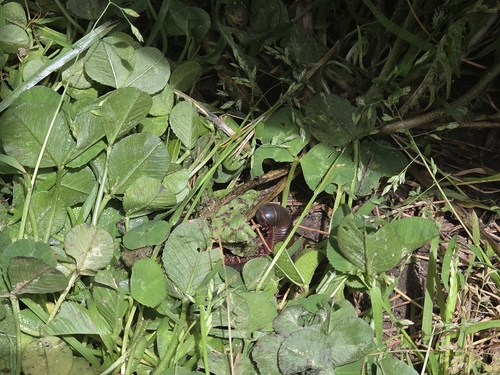
American Giant Millipede Complex
narceus americanus
The American Giant Millipede is a fascinating creature that can have over 400 legs! These colorful critters curl up into a ball when they feel threatened.
Habitat: They live in warm, moist environments like forests and leaf litter.
The American Giant Millipede Complex is a long, cylindrical invertebrate, typically dark brown to black with reddish-orange bands on its segments. It has many pairs of tiny legs along its body, giving it a segmented, worm-like appearance.
Category
InvertebrateRarity
Common
Danger
0/5 · No known danger
Snaps
5
A baby millipede is born with only a few legs and gains more as it grows!
Millipedes are ancient; some fossil species grew over two meters long!
They move their legs in a smooth, wave-like motion, like a slow ripple.
Unlike centipedes, millipedes eat decaying plants, not other animals.
American Giant Millipede Complex can secrete a stinky, irritating liquid to ward off predators because of glands along its body.
American Giant Millipede Complex can coil its body tightly into a spiral to protect its soft underside from danger.
American Giant Millipede Complex has hundreds of tiny legs that help them push through soil and leaf litter with ease.
They are nature's recyclers, munching on dead leaves and decaying plants!
Age differences: null
Solitary animals live alone for most of their lives, only interacting with others for mating or parental care.
This trait characterizes organisms whose diet consists entirely or primarily of plant material.
Describes organisms that break down dead organic material, recycling nutrients back into the ecosystem.
Forest habitats are terrestrial environments dominated by dense tree cover, supporting a high diversity of plant and animal life.

Nocturnal animals are primarily active during the nighttime hours, typically resting or sleeping during the day.
Danger
0/5 · No known danger
These millipedes are harmless and great to observe but should not be handled.
The easiest way to identify American Giant Millipede Complex is to use the Snappit nature identifier app.
7 cm
3 years
They are nature's recyclers, munching on dead leaves and decaying plants!
They live in warm, moist environments like forests and leaf litter.
Foraging
200
Zoom in to split clusters and explore where this object has been snapped.
May 17, 2026
Blackbird State ForestPhoto attribution
(c) inbetweenbays, some rights reserved (CC BY)
License: CC BY 4.0 ↗
Image may be shown cropped inside the card frame.
Delaware, US
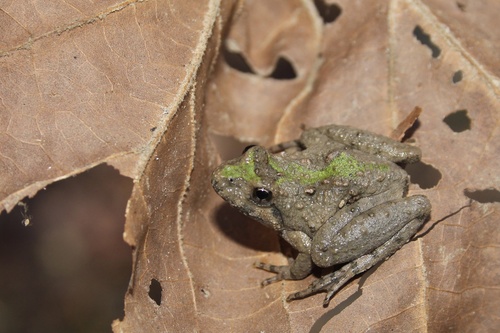
You might spot Northern Cricket Frog, Fan Clubmoss, and Fowler's Toad.
View guide →
.jpg)
Pennsylvania, US
You might spot Admiral Butterfly and Forest Tent Caterpillar Moth.
View guide →

Massachusetts, US
You might spot Beluga Whale, Seal, and African Lion.
View guide →
Virginia, US
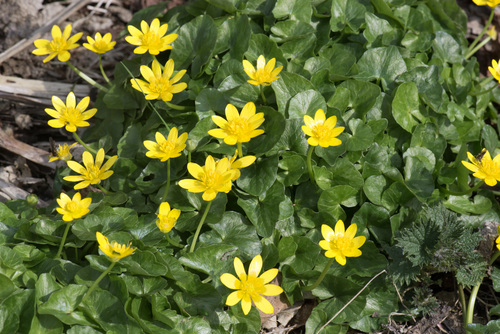
You might spot Lesser Celandine, Amur Honeysuckle, and White-Tailed Deer.
View guide →

Ohio, US
You might spot Eastern Newt, Eastern Hemlock, and American Cancer-Root.
View guide →

Pennsylvania, US
You might spot Ghost Pipe, Mountain Laurel, and Eastern Newt.
View guide →
Take the discovery with you
Snap it with Snappit to identify it, learn what makes it special, and add the discovery to your collection.