





Beluga Whale
Experience Boston's pioneering 19th-century aquatic and zoological exhibition.
Experience Boston's pioneering 19th-century aquatic and zoological exhibition.
The Boston Aquarial and Zoological Gardens, active from 1860 to 1862, offered a captivating blend of marine life and exotic animals in the heart of Boston's Financial District. As an evolution of the earlier Boston Aquarial Gardens, it was a groundbreaking institution that merged education with entertainment, presenting a fascinating array of creatures from the depths of the ocean to far-off lands. This historical venue provided a unique window into the natural world, drawing considerable public interest with its innovative displays and ambitious collections.
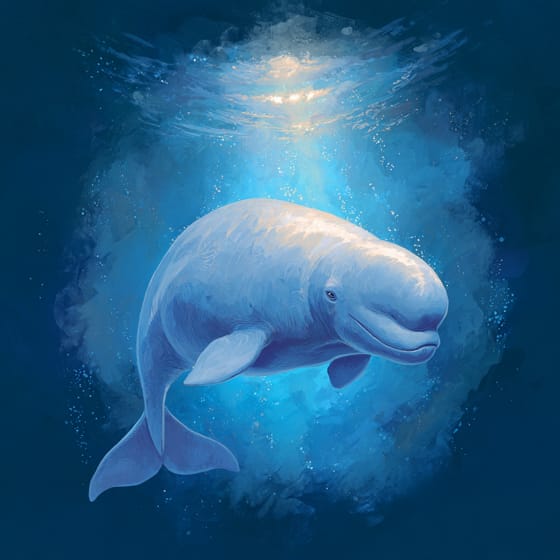
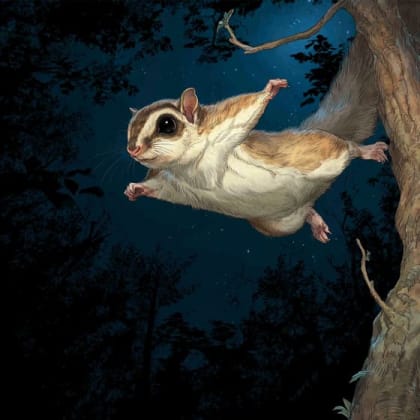
Visitors marvelled at the spectacular central aquarium, a large tank 25-30 feet in diameter holding thousands of gallons of seawater, which was home to a variety of local and exotic fish, mollusks, and zoophytes like sea anemones. The facility gained particular renown for its remarkable marine mammals, including "Ned" and "Fanny," the trained performing seals, and most famously, a live beluga whale, the first of its kind ever exhibited in a modern aquarium. Beyond the aquatic displays, the zoological department housed a diverse menagerie, featuring majestic lions, agile leopards, powerful grizzly bears, and a "den of serpents" with anacondas and pythons, alongside more familiar animals such as moose, deer, and an albino flying squirrel.
The Gardens truly embodied a spirit of discovery and spectacle, offering not just static displays but also dynamic performances, including animals trained to perform tricks, and theatrical presentations. It served as an important precursor to modern aquariums and zoos, providing a rare opportunity for 19th-century Bostonians to encounter diverse wildlife and oceanic wonders. Though its existence was brief, its legacy as an early American institution dedicated to natural history and public amusement remains a significant chapter in Boston's cultural heritage. Don't forget to bring the Snappit nature identification app along to scan local species.
The Boston Aquarial and Zoological Gardens emerged from the vision of inventor James Ambrose Cutting and aquarist Henry D. Butler. It initially opened on October 5, 1860, at Central Court off Washington Street, building upon the success of their earlier venture, the Boston Aquarial Gardens (1859-1860) on Bromfield Street, which focused exclusively on marine life. The Central Court location expanded to include a zoological department, featuring a substantial central tank and numerous smaller tanks for aquatic specimens, alongside enclosures for land animals. During its short but impactful run, the venue garnered significant attention, notably for showcasing the first live beluga whale ever held in a modern aquarium and for its trained seals. In May 1862, the renowned showman P.T. Barnum acquired the Gardens, renaming it "Barnum's Aquarial Gardens." Under Barnum's ownership, the emphasis shifted further towards popular entertainment, including vaudeville acts, though the core animal attractions remained. However, due to financial pressures, high operating costs, and Barnum's divided attention across his many ventures, the Gardens closed permanently in February 1863. The original building was later destroyed in the Great Fire of Boston in 1872.
Each card links to a full Explore page with photos, traits, and fun facts.
Start with the big picture, then zoom in to explore individual wildlife observations around this place.
(Historical)
Imagine the Spectacle
When researching this historical venue, remember the novelty of seeing such exotic animals and marine life in the 19th century.
Consider the Context
Understand that animal care and exhibition standards were vastly different from today's practices.
Look for Primary Sources
Seek out historical advertisements, newspaper articles, and visitor accounts from the 1860s for vivid descriptions.
Note the Transition to Barnum
Observe how P.T. Barnum's acquisition influenced the venue's shift towards more theatrical and popular entertainment.
Research its Legacy
Explore how this early institution contributed to the development of modern aquariums and zoos.
May 31, 2026
May 27, 2026
May 18, 2026
May 16, 2026
May 13, 2026

Michigan, US
You might spot African Lion, Komodo Dragon, and Brown Bear.
View guide →
.jpg)
Municipal District of Cobh, IE
You might spot Ring-Tailed Lemur, Giraffes, and Cheetahs.
View guide →

Nouvelle-Aquitaine, FR
You might spot Greater Flamingo, Giraffes, and Red Panda.
View guide →

Texas, US
You might spot Giraffes, African Lion, and Eastern Black Rhinoceros.
View guide →
Take the discovery with you
Identify the wildlife you spot, learn as you go, and keep a collection of the adventure.



































_-_Meleagris_gallopavo%2C_Occoquan_Bay_National_Wildlife_Refuge%2C_Woodbridge%2C_Virginia.jpg&width=800)



