





Beluga Whale

Barnum's Aquarial Gardens was a groundbreaking 19th-century blend of aquarium, zoo, and sensational entertainment in Boston, Massachusetts.
Barnum's Aquarial Gardens was a groundbreaking 19th-century blend of aquarium, zoo, and sensational entertainment in Boston, Massachusetts. Operating briefly under the legendary showman P.T. Barnum, it captivated audiences with its unique combination of aquatic marvels, exotic animals, and theatrical performances. This pioneering institution represented a significant moment in American public entertainment, transitioning from scientific curiosity to a full-fledged spectacle that foreshadowed modern-day aquariums and entertainment venues.
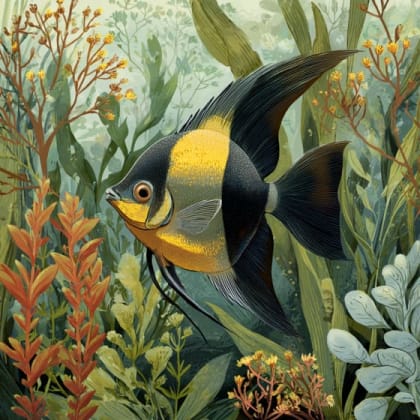
At its core, the Gardens featured an impressive array of marine life, including the sensation of a live beluga whale, the first ever displayed in a modern aquarium. Visitors marveled at trained seals performing tricks, alongside numerous tanks showcasing local and exotic fish like angel fish, porcupine fish, eels, and sea anemones. Beyond the aquaria, a zoological department housed a diverse collection of land animals, from majestic lions and leopards to kangaroos, bears, and a "den of serpents" filled with pythons and anacondas, offering a truly global menagerie to the Boston public.
More than just an exhibition of nature, Barnum infused the Gardens with his signature brand of showmanship, transforming it into a vibrant performance space. Patrons could witness dog shows, baby contests, and appearances by famous performers like General Tom Thumb. This blend of education and spectacle made Barnum's Aquarial Gardens a memorable, albeit short-lived, destination that left a lasting impact on the development of public aquariums and popular entertainment in the United States. Unlock an interactive field guide for this spot: get the Snappit app to identify nature on the go.
Barnum's Aquarial Gardens had a fascinating, albeit brief, existence. It originated as the Boston Aquarial Gardens, opening on April 7, 1859, as the first dedicated public aquarium in the United States, focused on marine life exhibition and education. Founded by inventor James A. Cutting and aquarist Henry D. Butler, it initially featured small tanks before expanding significantly and relocating in October 1860, becoming the Boston Aquarial and Zoological Gardens. This expanded version introduced zoological exhibits and a prominent central tank. In 1862, the famous showman P.T. Barnum acquired the facility, rebranding it as Barnum's Aquarial Gardens. Under Barnum's ownership, the emphasis shifted from purely scientific and educational displays to a more vaudevillian approach, incorporating diverse performances and attractions. Despite its popularity, Barnum's Aquarial Gardens closed abruptly on February 14, 1863, due to financial pressures, high operational costs, competition from other Boston venues, and Barnum's focus on his other ventures, including his American Museum in New York. Many of its contents were subsequently moved to Barnum's American Museum, where they were tragically lost in an 1865 fire. The original building in Boston was later destroyed in the Great Fire of 1872.
Each card links to a full Explore page with photos, traits, and fun facts.
Start with the big picture, then zoom in to explore individual wildlife observations around this place.
Research its Predecessor
To understand the full scope of its history, research the "Boston Aquarial and Zoological Gardens" which operated before Barnum's takeover.
Explore Contemporary Accounts
Seek out historical newspapers, diaries, and letters from the 1860s in Boston for firsthand descriptions of visits to the Gardens.
Consult Academic Resources
Look for academic papers or books on 19th-century American entertainment, P.T. Barnum, or the history of aquariums for in-depth analysis.
Visit Related Collections
Consider visiting institutions like the Museum of Comparative Zoology at Harvard University, which received the skeleton of the famous beluga whale after its death.
Understand the Context
Remember that its blend of scientific display and sensational performance was typical of Barnum's approach to entertainment in the 19th century.
May 31, 2026
May 27, 2026
May 18, 2026
May 16, 2026
May 13, 2026

Michigan, US
You might spot African Lion, Komodo Dragon, and Brown Bear.
View guide →
.jpg)
Municipal District of Cobh, IE
You might spot Ring-Tailed Lemur, Giraffes, and Cheetahs.
View guide →

Nouvelle-Aquitaine, FR
You might spot Greater Flamingo, Giraffes, and Red Panda.
View guide →

Texas, US
You might spot Giraffes, African Lion, and Eastern Black Rhinoceros.
View guide →
Take the discovery with you
Identify the wildlife you spot, learn as you go, and keep a collection of the adventure.




































_-_Meleagris_gallopavo%2C_Occoquan_Bay_National_Wildlife_Refuge%2C_Woodbridge%2C_Virginia.jpg&width=800)



