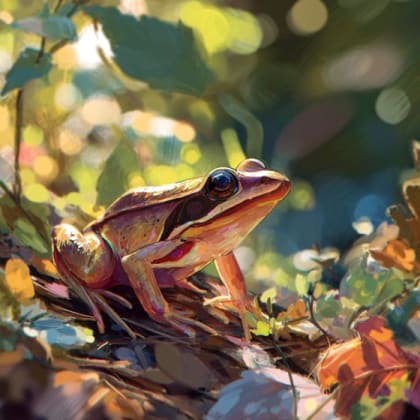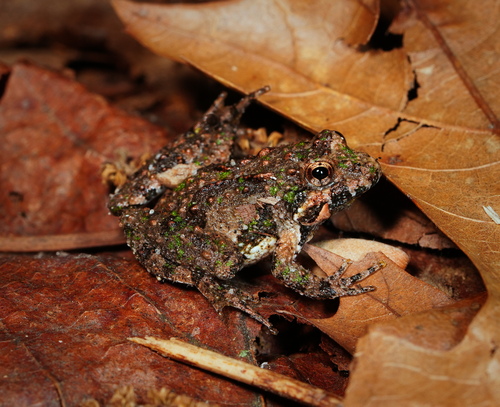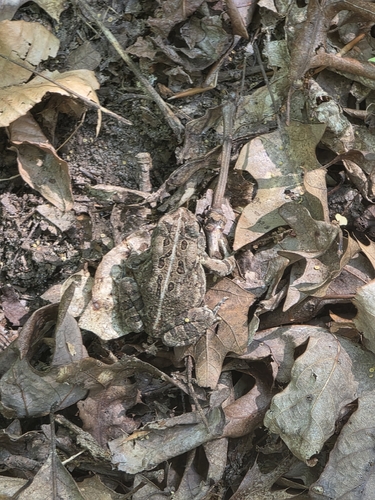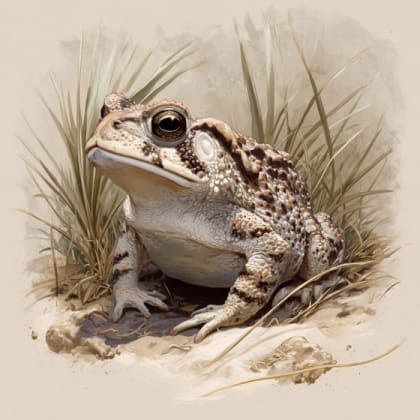





Fowler's Toad
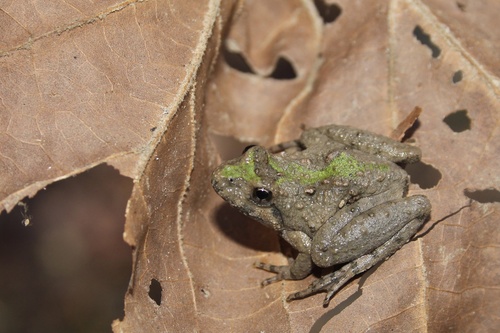
Blackbird State Forest offers a serene escape into Delaware's natural beauty.
Blackbird State Forest offers a serene escape into Delaware's natural beauty. Spanning over 6,000 acres across New Castle and Kent Counties, this northernmost state forest provides a diverse landscape of lush woodlands and tranquil wetlands, inviting visitors to reconnect with nature year-round. It serves as a vital green lung, managed for timber production, wildlife habitat, recreation, and environmental education.
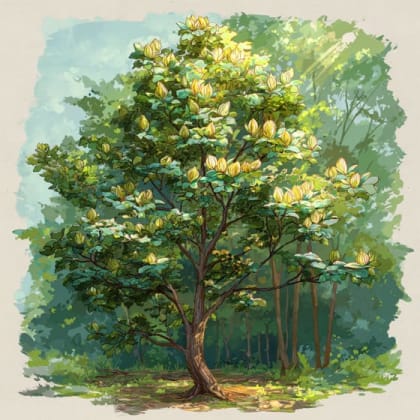
The forest boasts an impressive 40 miles of trails, catering to hikers, cyclists, and horseback riders of all skill levels. A highlight is the 2,200-foot wheelchair-accessible wildlife and nature interpretation trail on the Tybout Tract, ensuring that everyone can experience the forest's wonders. The Blackbird Education Center on the Meadows Tract further enhances the experience with interactive displays, including a beaver pond diorama, a working beehive, and exhibits on tree identification and invasive species. Visitors can also explore unique ecosystems like the bald cypress swamp via the Baldcypress Nature Trail.
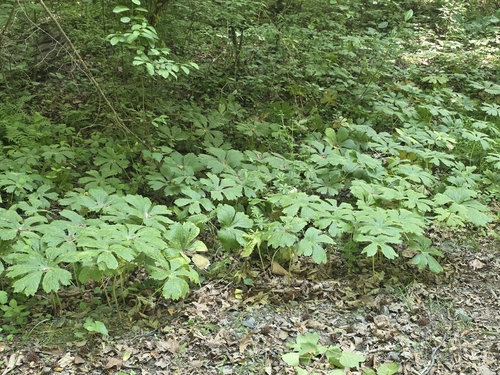
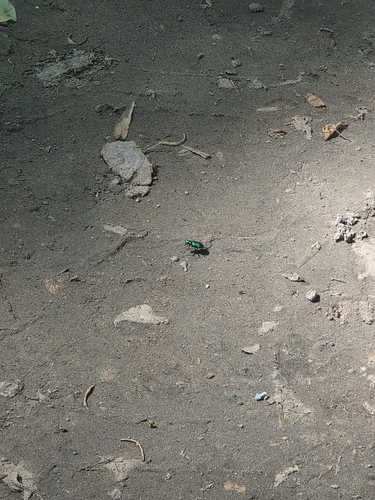
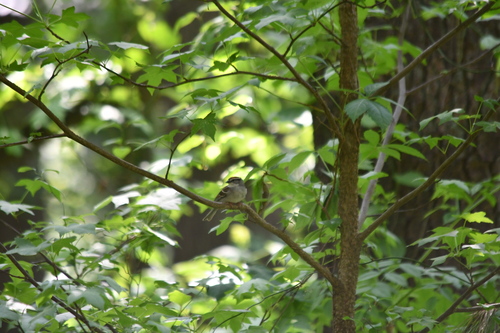
Blackbird State Forest is a sanctuary for a rich array of wildlife, making it a paradise for nature observation and photography. Keep an eye out for white-tailed deer, red foxes, and eastern box turtles roaming the forest floor. Birdwatchers will be delighted by the presence of numerous songbirds, waterfowl, and majestic raptors soaring overhead. The forest's diverse habitats and educational opportunities make it a memorable destination for outdoor enthusiasts seeking both adventure and peaceful reflection. Turn your visit into a safari! Use the Snappit app to scan and log wildlife sightings here.
Blackbird State Forest's origins trace back to 1941 with the strategic acquisition of the Tybout Tract, when land prices in New Castle County presented a rare opportunity for the Forestry Department. This initial purchase of 672 acres laid the foundation for what would eventually become the expansive 6,000-acre state forest we know today, managed across ten distinct tracts. Beyond its natural significance, the Blackbird Forest area holds historical weight, as it was noted by Harriet Tubman as a potential landmark on her journeys through Delaware, evoking the challenging landscapes encountered by freedom seekers on the Underground Railroad.
Engage in hiking, running, cycling, horseback riding, birdwatching, and general wildlife observation. The forest also permits catch-and-release fishing in its ponds, picnicking in designated areas, and primitive camping. Educational programs and events are regularly held at the Education Center.
Spring: Witness wildflowers in bloom and the return of migratory birds.
Summer: Enjoy the full, lush greenery of the forest and explore wetlands. Be prepared for mosquitoes and bring repellent.
Fall: Experience spectacular autumn foliage with hues of red and gold.
Winter: Discover the stark beauty of the quiet forest, ideal for peaceful contemplation or cross-country skiing on trails. The sandy soil means trails are rarely muddy, making it an all-season hiking destination.
The Tybout Tract features a 2,200-foot (approximately 1/2 mile) wheelchair-accessible wildlife and nature interpretation trail. ADA accessible campsites are also available.
Explore diverse trails for hiking, cycling, and horseback riding.
A 2,200-foot paved trail on the Tybout Tract.
Interactive exhibits including a beaver pond diorama and a working beehive.
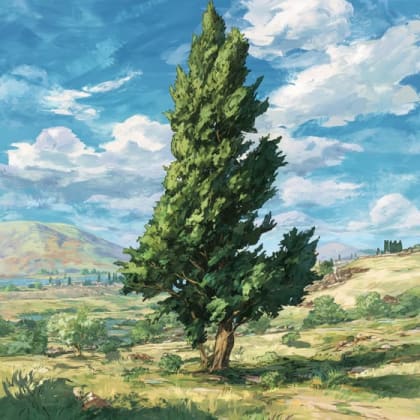
Leads through a unique bald cypress swamp.
Each card links to a full Explore page with photos, traits, and fun facts.
Start with the big picture, then zoom in to explore individual wildlife observations around this place.
Check hunting seasons
Portions of the forest are open to hunting seasonally. Consult the current schedule of hunting seasons with the Delaware Department of Agriculture Forest Service and consider wearing hunter's orange or bright colors during these times for safety.
Bring insect repellent
Especially during warmer months, mosquitoes can be prevalent, particularly near wetlands.
Carry a map or GPS
While trails are generally well-marked, cell service can be spotty in some areas, so a physical map or downloaded GPS data is advisable.
Pets are welcome
Leashed pets are permitted in the forest, allowing you to bring your furry companions along for the adventure.
Pack a picnic
Designated picnic areas with tables and grills are available, making it ideal for a meal amidst nature.
Dress in layers
Temperatures can vary throughout the day, so dressing in layers will help you stay comfortable regardless of the weather.
May 29, 2026
Photo attribution
no rights reserved
License: CC0 1.0 ↗
Image may be shown cropped inside the card frame.
May 17, 2026
Photo attribution
(c) inbetweenbays, some rights reserved (CC BY)
License: CC BY 4.0 ↗
Image may be shown cropped inside the card frame.
May 17, 2026
Photo attribution
(c) inbetweenbays, some rights reserved (CC BY)
License: CC BY 4.0 ↗
Image may be shown cropped inside the card frame.
May 17, 2026
Photo attribution
(c) inbetweenbays, some rights reserved (CC BY)
License: CC BY 4.0 ↗
Image may be shown cropped inside the card frame.
May 17, 2026
Photo attribution
(c) inbetweenbays, some rights reserved (CC BY)
License: CC BY 4.0 ↗
Image may be shown cropped inside the card frame.

Maryland, US
You might spot White-Tailed Deer and Eastern Gray Squirrel.
View guide →
.jpg)
District of Columbia, US
You might spot Eastern Gray Squirrel, Duck, and House Sparrow.
View guide →

Illinois, US
You might spot American Robin, Canada Goose, and House Sparrow.
View guide →

Virginia, US
You might spot Spotted Lanternfly and Northern Cardinal.
View guide →
Take the discovery with you
Identify the wildlife you spot, learn as you go, and keep a collection of the adventure.