.jpg&width=800)





American Marten
Martes americana
The American Marten is a small, furry animal that loves to climb trees and explore the forest. With its beautiful golden-brown fur, it's a playful creature that enjoys hunting for small animals and fruits.
Habitat: Forests
The American Marten is a slender mammal with short legs, a long bushy tail, and large, prominent ears. It has rich, dark brown fur that lightens to a creamy or orange throat patch, making it visually distinct from a weasel.
Category
MammalsRarity
Common
Danger
2/5 · Low
Snaps
Be the first to snap!
American Martens often make their cozy dens inside hollow trees or abandoned squirrel nests.
They are distant relatives of weasels, badgers, and even the aquatic otters!
They communicate using various sounds, including chirps, growls, and hisses.
Young martens, called kits, are born blind and helpless, opening their eyes after about a month.
American Marten can climb trees with amazing agility because they have semi-retractable claws that help them grip bark securely.
American Marten has flexible ankle joints that can rotate nearly 180 degrees, allowing them to climb down trees headfirst.
American Marten can tunnel through snow with ease, allowing them to hunt small prey hidden beneath the surface.
Martens are omnivores that enjoy small animals and a tasty snack of fruits and berries!
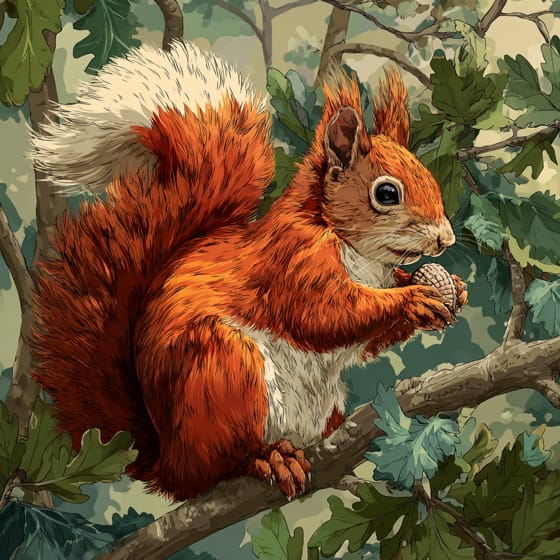
Tamiasciurus hudsonicus
A primary prey species, often hunted in trees.
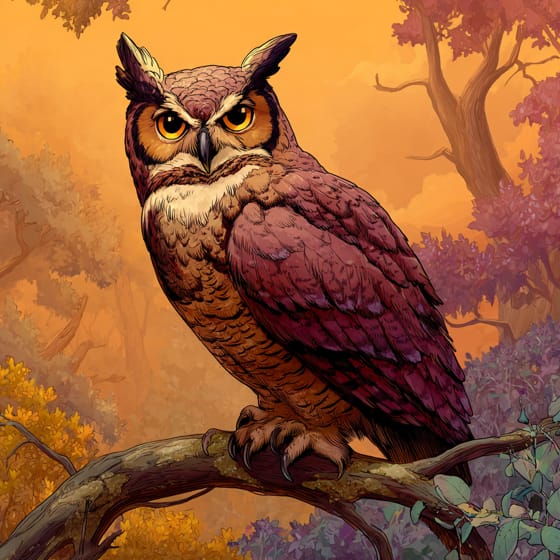
Bubo virginianus
One of the few predators of adult American Martens.
Vaccinium myrtillus
Consumes berries, helping to disperse plant seeds.
Furry describes animals possessing a dense covering of soft hair or fur.
Solitary animals live alone for most of their lives, only interacting with others for mating or parental care.
Arboreal animals live primarily in trees, utilizing them for shelter, food, and protection from predators.
Camouflaged describes organisms that possess coloring or patterns that allow them to blend into their environment.

Forest habitats are terrestrial environments dominated by dense tree cover, supporting a high diversity of plant and animal life.

This trait identifies organisms whose diet consists entirely or primarily of animal tissue.

Describes a species whose presence and role have a disproportionately large effect on its environment.

This trait identifies organisms that exhibit exceptional swiftness in movement for hunting, escape, or travel.
No aliases listed yet.
Danger
2/5 · Low
If you see a wild animal, it's best to watch from a distance and not approach it.
The easiest way to identify American Marten is to use the Snappit nature identifier app.
51-65 cm
0.5-1.5 kg
5-10 years
32 km/h
Martens are omnivores that enjoy small animals and a tasty snack of fruits and berries!
Forests
Pursuit
Zoom in to split clusters and explore where this object has been snapped.
Recent snaps will appear here as new observations are added.
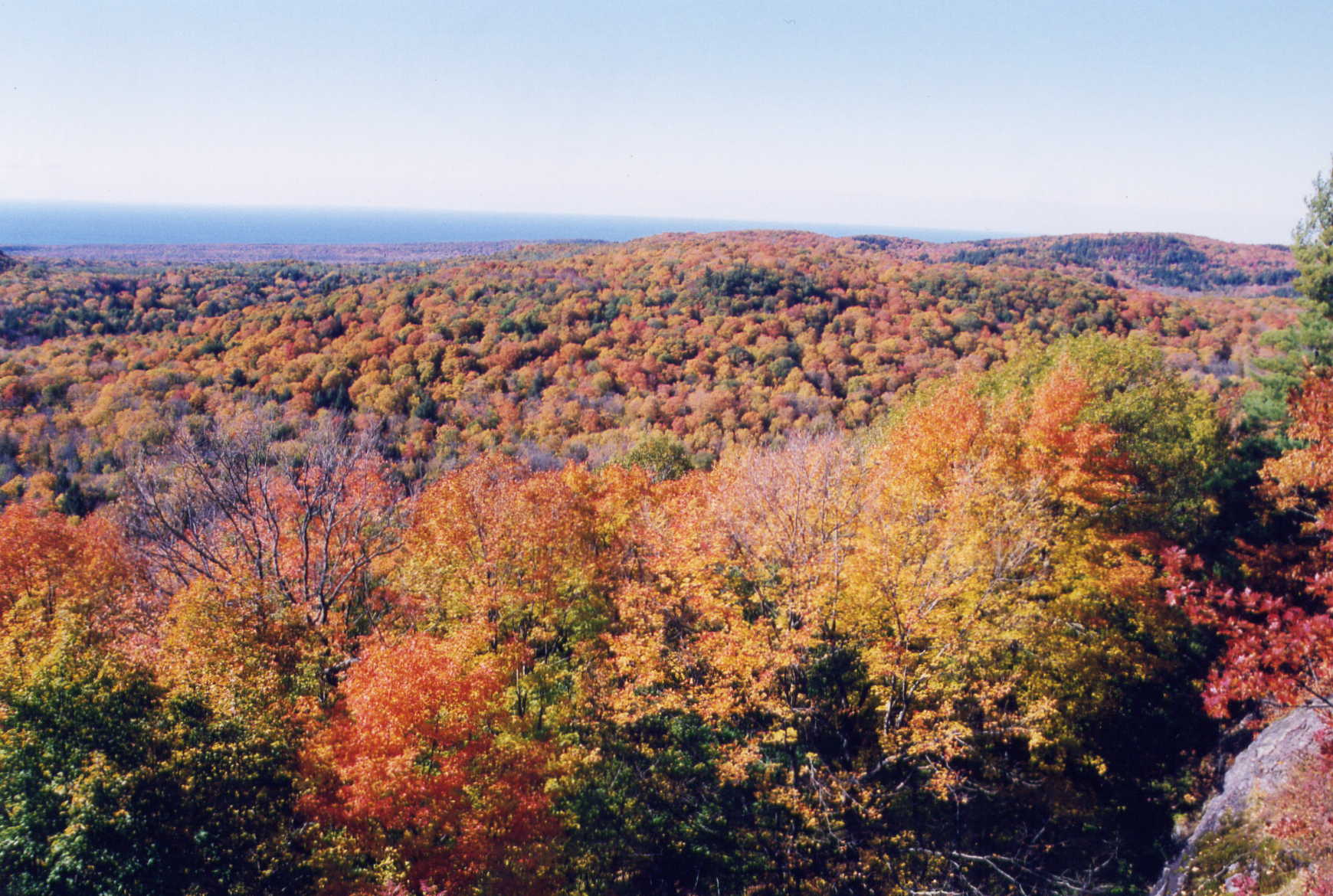
Michigan, US
You might spot Tree Lungwort, Shining Firmoss, and American Toad.
View guide →

British Columbia, CA
You might spot White Pasqueflower and Hoary Marmot.
View guide →
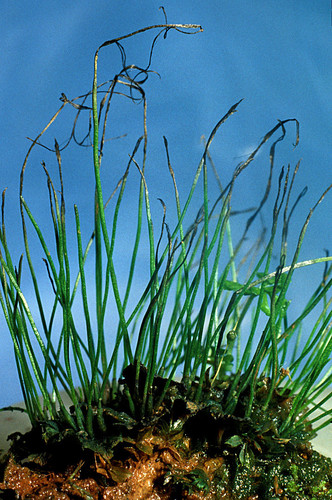
British Columbia, CA
You might spot Hornwort, Silverleaf Phacelia, and Big Rough Fescue.
View guide →
Take the discovery with you
Snap it with Snappit to identify it, learn what makes it special, and add the discovery to your collection.




.jpg&width=800)

.JPG&width=800)



.jpg&width=800)
