





Duck
Step into a postcard-perfect era within San Antonio’s King William Historic District.
Step into a postcard-perfect era within San Antonio’s King William Historic District. This enchanting neighborhood, just south of downtown, is a living museum of Victorian elegance and German heritage. Stroll along its shaded, tree-lined streets, and marvel at the meticulously preserved mansions that stand as testaments to the city's prosperous past. Each home tells a story, showcasing a stunning array of architectural styles, from stately Italianate villas to intricate Queen Anne and imposing Greek Revival residences, making it a dream destination for architecture enthusiasts and history buffs alike.
The district’s curated "exhibits" are its magnificent homes, many featuring ornate details, expansive porches, and lush, manicured gardens, some with charming wrought-iron fences and mature shade trees like crepe myrtles. Key highlights include the Edward Steves Homestead Museum, offering a glimpse into 19th-century life with its period furnishings and unique natatorium, and Villa Finale, a meticulously restored mansion that is the only Texas property of the National Trust for Historic Preservation. Don't miss the chance to experience the historic ambiance of the Guenther House, a former mill owner's home now a popular restaurant and museum.
Visiting the King William Historic District is an immersive experience, transportive and deeply engaging. It's a place where history feels alive, where every corner turned reveals architectural splendor and a quiet charm that sets it apart. The district’s proximity to the San Antonio River Walk extension also offers picturesque views and a seamless connection to the city's broader cultural landscape, making it an unforgettable part of any San Antonio itinerary. Explore the grounds like a pro—download the Snappit app to instantly identify animals and plants.
The land that comprises the King William Historic District originally served as farmland for the Mission San Antonio de Valero (the Alamo) in the 18th century. After its secularization in 1793, the area was divided into tracts. In the mid-19th century, particularly between 1853 and 1899, a significant influx of prosperous German immigrants settled here, transforming the agricultural plots into a fashionable residential area. They built grand homes, reflecting their success and contributing to the neighborhood's unique architectural character. King William Street, the district's main thoroughfare, was named by surveyor Ernst Hermann Altgelt in honor of Wilhelm I, King of Prussia, a nod to the area's strong German roots. While the neighborhood flourished into the early 20th century, it experienced a period of decline after World War I, partly due to anti-German sentiment and later, urban decay when many homes were divided into apartments. However, a dedicated preservation movement emerged in the 1960s, led by figures like Walter Nold Mathis. These efforts resulted in the King William area being designated as Texas's first residential historic district by the City of San Antonio in 1968, and subsequently listed on the National Register of Historic Places in 1972, ensuring its architectural legacy would be preserved.
Take a self-guided walking tour using available maps or apps to explore the streets and admire the residential architecture.
* Join a guided walking tour for in-depth stories and historical context about prominent families and unique homes.
* Visit the interiors of the Edward Steves Homestead Museum and Villa Finale.
* Enjoy a meal or pastries at the historic Guenther House.
* Stroll along the nearby San Antonio River Walk extension, which offers scenic views and connects to downtown.
* Explore local art galleries and cafes in the surrounding Southtown Arts District.
Fall is particularly vibrant with comfortable walking weather and the King William Fair, a major event during Fiesta San Antonio, offering parades, food, music, and art. Spring brings blooming gardens.
The district is best explored on foot, and while charming, some sidewalks can be uneven, so comfortable walking shoes are highly recommended. The tree-lined streets offer generally flat walking paths.
An opulent 1876 Victorian mansion offering guided tours and a glimpse into 19th-century family life, complete with a carriage house and the city's first indoor natatorium.
A beautifully restored mansion and the only Texas property of the National Trust for Historic Preservation, offering tours of its exquisite interiors and collections.
A historic home that now serves as a popular restaurant and museum, known for its delicious baked goods and rich history connected to Pioneer Flour Mills.
An 1873 pink stucco Italian Villa that currently houses the San Antonio Conservation Society.
Each card links to a full Explore page with photos, traits, and fun facts.
Start with the big picture, then zoom in to explore individual wildlife observations around this place.
Wear comfortable shoes
Many sidewalks in the district are uneven, so supportive footwear is essential for an enjoyable walking tour.
Bring a camera
The stunning architecture, manicured gardens, and tree-lined streets offer abundant photographic opportunities.
Consider a self-guided tour
Pick up a pamphlet from the San Antonio Conservation Society or download a walking tour app for historical context on many homes.
Visit in the morning
To avoid larger crowds and enjoy a more peaceful experience, especially if you plan to take photos.
Explore the River Walk extension
The district is adjacent to a scenic portion of the San Antonio River Walk, perfect for a combined stroll.
Allow time for the Guenther House
This historic mill owner's home offers a charming spot for breakfast, lunch, or to purchase baked goods.
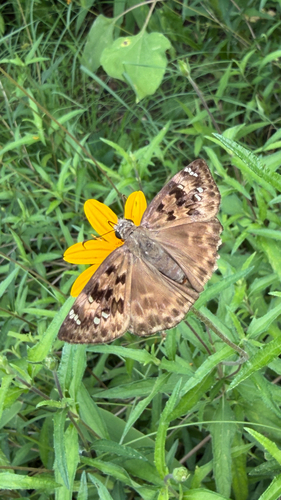
Jun 7, 2026
Photo attribution
(c) IDClaire, some rights reserved (CC BY)
License: CC BY 4.0 ↗
Image may be shown cropped inside the card frame.
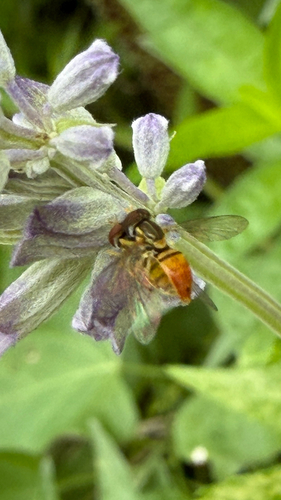
Jun 7, 2026
Photo attribution
(c) IDClaire, some rights reserved (CC BY)
License: CC BY 4.0 ↗
Image may be shown cropped inside the card frame.
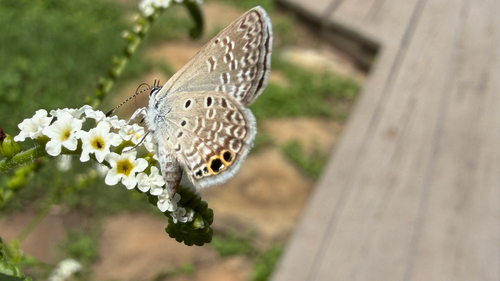
Jun 6, 2026
Photo attribution
(c) IDClaire, some rights reserved (CC BY)
License: CC BY 4.0 ↗
Image may be shown cropped inside the card frame.
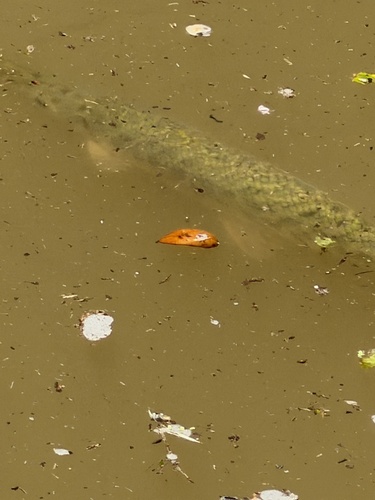
Jun 6, 2026
Photo attribution
no rights reserved
License: CC0 1.0 ↗
Image may be shown cropped inside the card frame.
Jun 7, 2026

Maryland, US
You might spot White-Tailed Deer and Eastern Gray Squirrel.
View guide →
.jpg)
District of Columbia, US
You might spot Eastern Gray Squirrel, Duck, and House Sparrow.
View guide →

Illinois, US
You might spot American Robin, Canada Goose, and House Sparrow.
View guide →

Virginia, US
You might spot Spotted Lanternfly and Northern Cardinal.
View guide →
Take the discovery with you
Identify the wildlife you spot, learn as you go, and keep a collection of the adventure.














.jpg&width=800)
