





Anderson's holly fern
Polystichum andersonii
Anderson's holly fern is a beautiful green plant with shiny leaves that look like little holly leaves. It loves to grow in shady places and can be found in forests and along streams.
Habitat: Forests
The Anderson's holly fern has long, glossy, dark green fronds that stay vibrant all year. Its leaflets are shaped like tiny holly leaves, with spiny teeth along their edges, giving it a distinctive, rugged look.
Category
PlantsRarity
Common
Danger
1/5 · Very low
Snaps
Be the first to snap!
Anderson's holly fern comes from a plant family that has been on Earth for millions of years!
Instead of seeds, this fern releases millions of super-tiny spores that float on the wind!
It loves soggy, shady forests so much, it often grows right next to rushing streams!
Its 'holly' name comes from its spiky leaf edges, making it look like a tiny holly bush!
Anderson's holly fern can reproduce without seeds or flowers, using tiny spores to spread efficiently in its forest home.
This fern has evergreen fronds that stay green all winter, helping it absorb sunlight when other plants are dormant.
Anderson's holly fern has adapted to thrive in deep shade, efficiently capturing scarce light on the dark forest floor.
Pseudotsuga menziesii
Grows under its canopy in moist forests
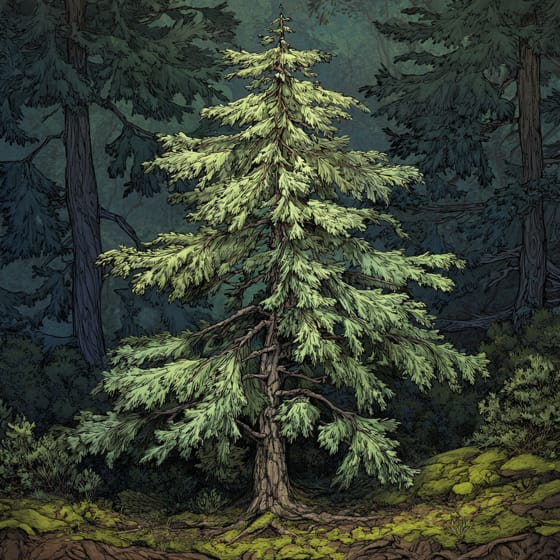
Tsuga heterophylla
Thrives in the shade of this common conifer
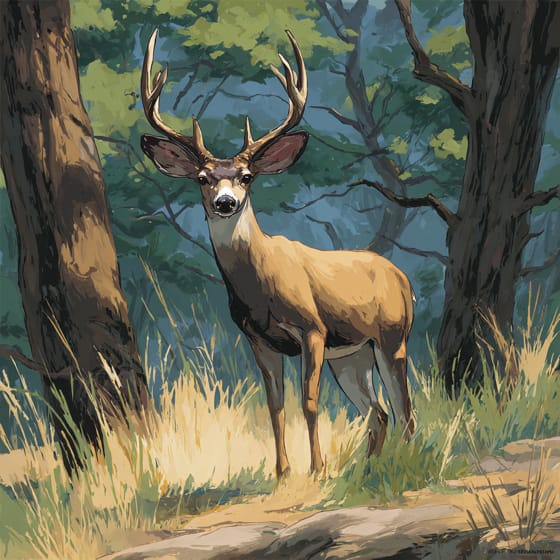
Odocoileus hemionus
Occasionally browsed by deer, especially in winter
Ornamental plants are cultivated primarily for their aesthetic appeal, enhancing landscapes and gardens with their attractive foliage, flowers, or form.
Shade tolerant plants are adapted to grow and thrive in areas with low light levels, requiring less direct sunlight.
Evergreen plants retain their foliage throughout the year, never shedding all their leaves at once.
Medicinal plants possess chemical compounds that can be used for therapeutic purposes to treat illnesses or maintain health.

Forest habitats are terrestrial environments dominated by dense tree cover, supporting a high diversity of plant and animal life.
No aliases listed yet.
Danger
1/5 · Very low
Always look but don't touch wild plants unless you know they are safe.
The easiest way to identify Anderson's holly fern is to use the Snappit nature identifier app.
30-100 cm
30-60 cm
No
None
Perennial
Forests
Zoom in to split clusters and explore where this object has been snapped.
Recent snaps will appear here as new observations are added.
Take the discovery with you
Snap it with Snappit to identify it, learn what makes it special, and add the discovery to your collection.








.jpg&width=800)



_001.jpg&width=800)


